Why Avocado Is a Smart Source of Healthy Fats
Avocado brings healthy monounsaturated fats, fiber and potassium in one creamy package. Here is why it is such a smart fat source, how much makes sense and easy ways to add it to your meals.
By KateLast reviewed
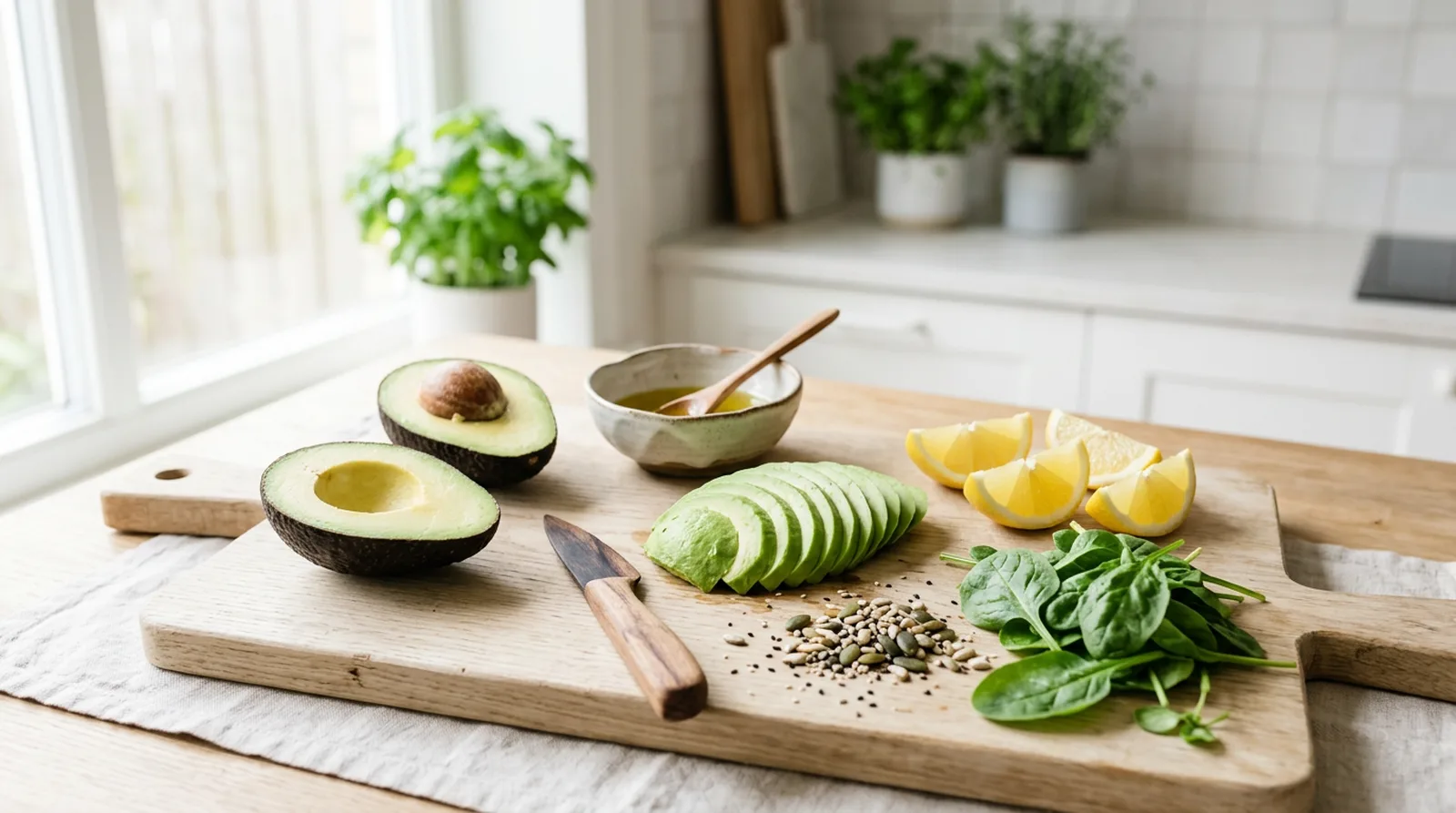
Fat has had a complicated reputation. For years many people tried to avoid it completely, and low-fat products filled the shelves. Today we know that the type of fat matters far more than the amount, and few foods show this better than the avocado.
Avocado is creamy, filling and easy to add to almost any meal. Here is why it is such a smart source of healthy fats, what it offers beyond fat and how to enjoy it without overdoing the portion.
What makes avocado fat "healthy"?
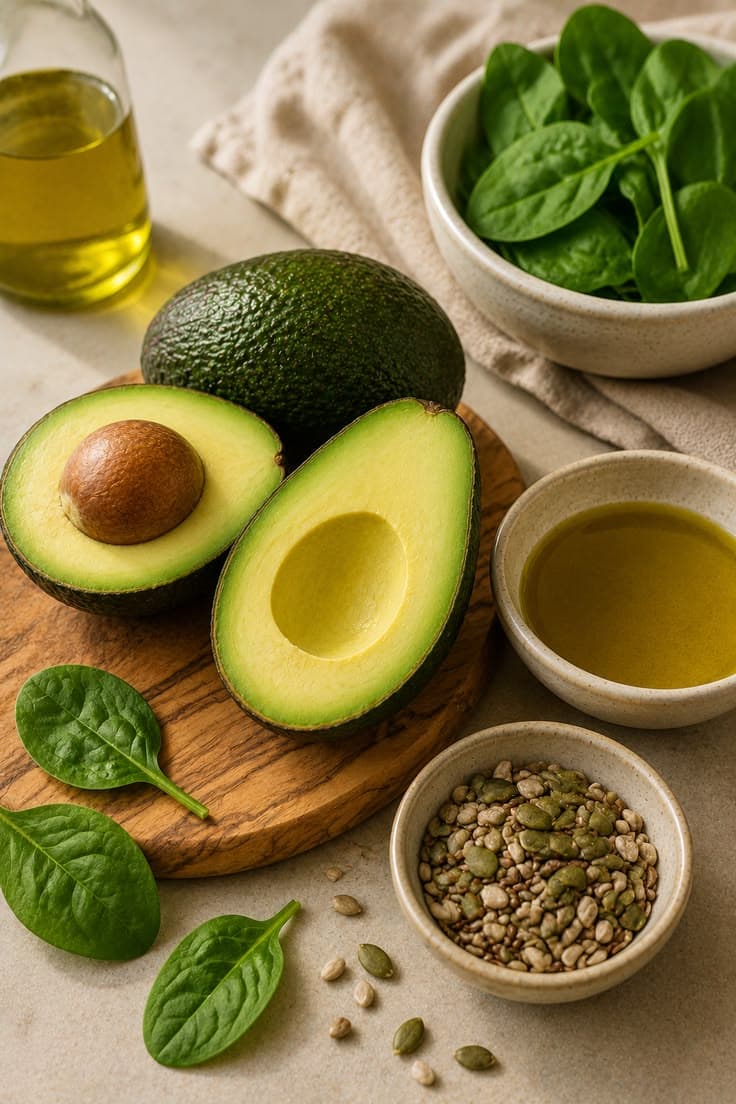
About three quarters of the calories in avocado come from fat, but most of it is monounsaturated fat, mainly oleic acid. This is the same type of fat that makes olive oil a staple of the Mediterranean diet.
Diets that replace saturated fats (found in fatty meats, butter and many processed snacks) with unsaturated fats are linked to healthier cholesterol levels and better heart health. Avocado is one of the simplest whole-food ways to make that swap.
A medium avocado also contains a small amount of polyunsaturated fat and very little saturated fat, plus no added sugar, no sodium and no long ingredient list.
1. Healthy fats that keep meals satisfying
Fat slows down digestion. When you add avocado to a meal, the meal tends to stay with you longer, and the energy from carbohydrates is released more gradually. That is one reason why toast with avocado often feels more filling than toast with jam.
This works especially well when you combine avocado with protein and fiber, the same idea behind our protein and fiber combos that keep you full longer.
2. A surprising amount of fiber
Avocado is not only a fat source. Half a medium avocado provides around 5 grams of fiber, which is more than many people expect. Fiber supports regular digestion, feeds beneficial gut bacteria and adds to the feeling of fullness.
Most adults eat far less fiber than recommended, so foods that quietly add a few grams, like avocado, beans, oats and seeds, make a real difference over the day.
3. More potassium than a banana
Gram for gram, avocado contains more potassium than a banana. Potassium helps balance fluids in the body and supports normal muscle and nerve function, and many diets are low in it. That is why avocado also appears in our list of electrolyte-rich foods for hydration and steady energy.
Avocado also provides folate, vitamin K, vitamin E and several B vitamins.
4. Helps you absorb nutrients from vegetables
Some important nutrients in vegetables are fat-soluble, for example beta-carotene in carrots and tomatoes or lutein in leafy greens. Your body absorbs them better when the meal contains some fat.
Adding avocado to a salad is an easy way to make the vegetables count. Studies have found higher carotenoid absorption when salads or salsas were eaten with avocado compared with the same dish without it.
5. Supports blood sugar balance at meals
Avocado contains very little sugar and barely affects blood sugar on its own. When it replaces part of the refined carbs in a meal, or simply joins them, it can help the meal feel steadier and reduce the quick rise and dip that often leads to cravings later.
How much avocado makes sense?
Avocado is nutritious, but it is also energy-dense. A whole medium avocado has roughly 240 calories. That is not a problem, but it is good to know if you are working toward weight goals.
- A third of an avocado (about 50 g, ~80 kcal) is a typical serving on toast or in a salad.
- Half an avocado works well as the main fat source of a meal.
- A whole avocado is fine occasionally, especially if it replaces other fats like cheese, butter or creamy dressings.
A simple guide from the lazy plate method: a thumb-sized portion of fat per meal, and avocado can be that portion.
10 easy ways to eat more avocado
- Avocado toast on whole grain bread with an egg or cottage cheese for protein
- Sliced on salads instead of a heavy creamy dressing
- In a grain bowl with beans, quinoa and vegetables, like our chickpea and avocado bowl
- With lean protein such as chicken, as in this low-carb chicken avocado salad
- With fish, for example in this Mediterranean salmon and avocado salad
- Mashed as a spread in wraps and sandwiches instead of mayonnaise
- Blended into a smoothie for a creamy texture without extra sugar
- As guacamole with vegetable sticks for a filling snack
- Diced into scrambled eggs or an omelet right before serving
- Stuffed with tuna salad, beans or salsa for a quick lunch
How to pick and store avocados
- Ripe and ready: the avocado gives slightly when you press it gently near the stem.
- Still hard: leave it at room temperature for 2 to 4 days. Putting it in a paper bag with a banana speeds things up.
- Ripe but not needed yet: store it in the fridge for a few more days.
- Cut avocado: keep the pit in, brush with lemon juice, cover tightly and refrigerate.
Who should be careful?
Avocado is safe for most people. A few points are worth knowing:
- People with a latex allergy sometimes react to avocado as well.
- Avocado contains vitamin K. If you take a blood thinner such as warfarin, keep your intake consistent and talk to your doctor before making big changes.
- Some people with a sensitive gut notice that large portions cause bloating. Smaller portions are usually fine.
FAQ
Avocado Questions
Is it okay to eat an avocado every day?
For most people, yes. A third to a half of an avocado per day fits easily into a balanced diet and adds healthy fats, fiber and potassium. If you are watching calories, keep the portion in mind, because avocado is energy-dense.
How much avocado is one serving?
A common serving is about one third of a medium avocado, roughly 50 grams. That provides around 80 calories, 3 grams of fiber and mostly monounsaturated fat. Many people enjoy half an avocado as part of a meal.
Does avocado help with weight loss?
Avocado is not a fat-burning food, but its fat and fiber can help meals feel more satisfying, which may make it easier to eat balanced portions. Some studies link regular avocado eating with better diet quality. Overall eating habits matter most.
Is the fat in avocado bad for cholesterol?
Most of the fat in avocado is monounsaturated, the same type found in olive oil. Replacing saturated fats with unsaturated fats is linked to healthier cholesterol levels. If you have a cholesterol concern, talk to your doctor about your overall diet.
How do I keep a cut avocado from turning brown?
Leave the pit in, brush the cut surface with lemon or lime juice, wrap it tightly or store it in an airtight container and refrigerate. Use it within one to two days.
The bottom line
Avocado is a smart fat source because it brings monounsaturated fats, fiber, potassium and vitamins together in a whole food. It helps meals feel satisfying, supports the absorption of nutrients from vegetables and makes it easy to replace less helpful fats. Enjoy a third to a half per meal, pair it with protein and vegetables, and let it be one part of a balanced, colorful plate.
This article is for general information and does not replace medical or nutritional advice. Talk to your doctor or a registered dietitian before making changes, especially if you have a health condition or take medication.