5 Electrolyte Foods for Hydration and Steady Energy
Electrolytes are essential minerals that help support hydration, nerves, muscles, and fluid balance. These five everyday foods can help you add more electrolytes naturally.
By KateLast reviewed
Hydration is not only about drinking water.
Your body also needs electrolytes.
Electrolytes are minerals that carry an electrical charge and help support fluid balance, nerve signals, muscle function, and many normal body processes.
Important electrolytes include sodium, potassium, magnesium, calcium, chloride, phosphate, and bicarbonate.
You lose electrolytes through sweat, urine, vomiting, diarrhea, and normal daily fluid balance.
That does not mean everyone needs electrolyte powders or sports drinks every day.
For many people, a balanced diet with water-rich foods, mineral-rich foods, and enough fluids is a good place to start.
Here are five electrolyte-rich foods that can support hydration and everyday wellness.
1. Avocado
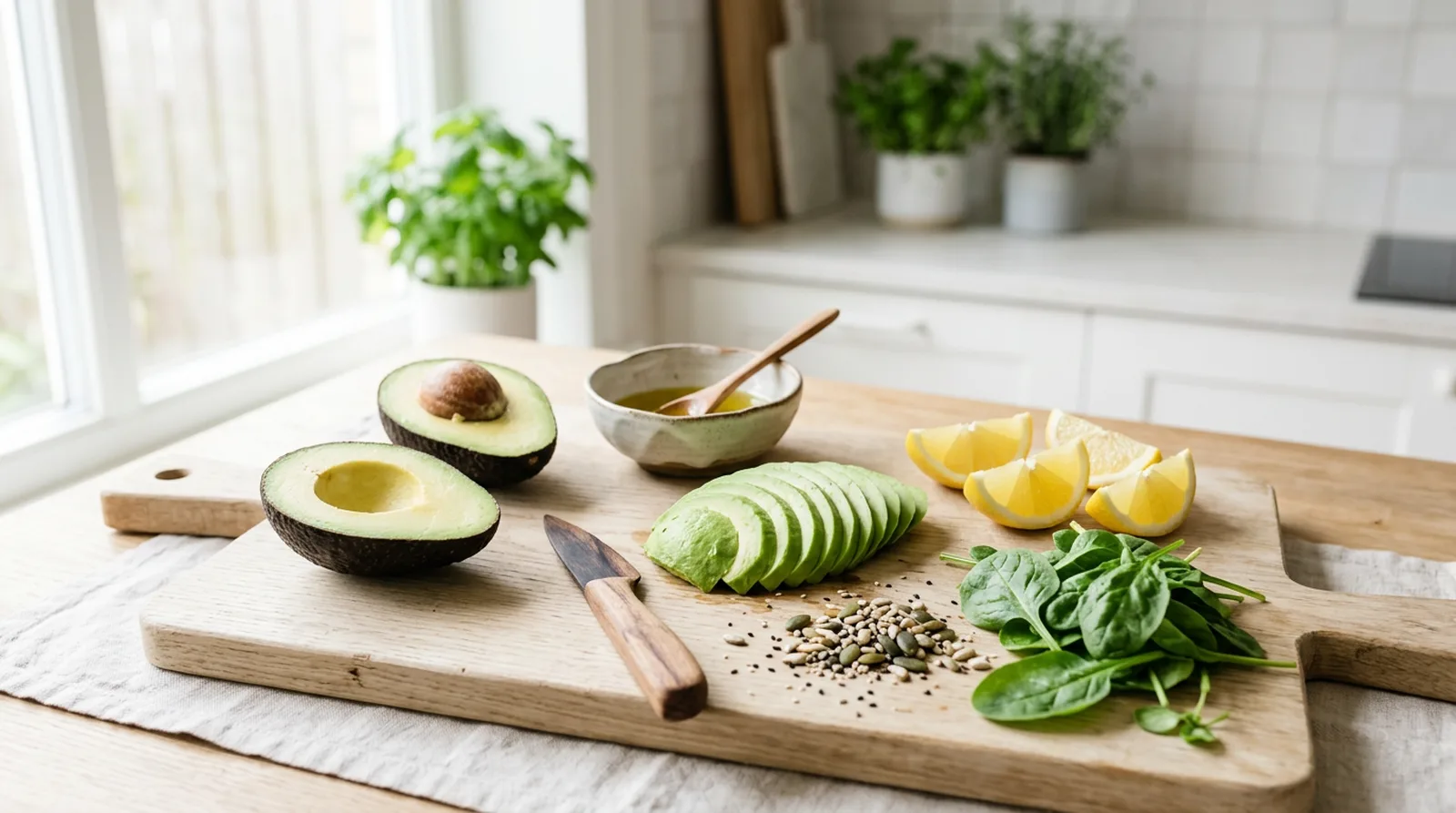
Avocado is a great electrolyte food because it provides potassium and magnesium.
Potassium helps support normal fluid balance inside cells, muscle contraction, and nerve function.
Magnesium supports normal muscle and nerve function and plays a role in energy production.
Avocado is also satisfying because it contains healthy fats and fiber.
That makes it useful if you want meals that feel more filling and steady.
Easy ways to use avocado:
- avocado toast with eggs
- avocado in a smoothie
- avocado in a salad
- avocado with chicken or salmon
- avocado in a grain bowl
- avocado with lime and sea salt
- avocado with cottage cheese
Avocado is especially helpful when paired with protein.
For example:
- eggs + avocado
- chicken + avocado
- Greek yogurt dressing + avocado bowl
- tofu + avocado
- tuna + avocado
This turns a simple meal into something more balanced, like a high-fiber chickpea and avocado bowl.
2. Spinach
Spinach is a simple way to add magnesium, calcium, potassium, and other nutrients to your meals.
It is also easy to use because it works in both cooked and raw meals.
You can add spinach to:
- omelets
- smoothies
- soups
- salads
- grain bowls
- pasta
- wraps
- stir-fries
Spinach is especially useful because it can make a meal more nutrient-dense without requiring much prep.
For example, you can add a handful of spinach to eggs, soup, or a smoothie in seconds.
If you are trying to build a more consistent wellness routine, foods like spinach are helpful because they are easy to repeat.
3. Bananas
Bananas are one of the most popular electrolyte foods because they provide potassium and carbohydrates.
They can be especially useful before or after activity because they are easy to digest and convenient.
Simple ways to use bananas:
- banana with peanut butter
- banana in oatmeal
- banana in a smoothie
- banana with Greek yogurt
- banana with cottage cheese
- banana with chia pudding
- banana before a walk or workout
Bananas are not magic, but they are practical.
They are portable, affordable, and easy to pair with protein or healthy fats.
If you want steadier energy, avoid eating only a banana if you know it leaves you hungry quickly.
Try pairing it with:
- Greek yogurt
- nuts
- peanut butter
- cottage cheese
- protein smoothie
- eggs on the side
That can make it feel more satisfying.
4. Greek yogurt
Greek yogurt is a useful electrolyte-supporting food because it provides calcium and potassium, and it also gives you protein.
Calcium is important for bones, muscles, and nerve signaling.
Protein helps make meals more filling and supports muscle repair and maintenance.
Greek yogurt is also easy to use in both sweet and savory meals.
Try:
- Greek yogurt with berries
- Greek yogurt with pumpkin seeds
- Greek yogurt with banana
- Greek yogurt with oats
- Greek yogurt as a dip
- Greek yogurt in smoothies
- Greek yogurt with cinnamon and nuts
For a more balanced snack, combine Greek yogurt with fruit and seeds.
For example:
Greek yogurt + banana + pumpkin seeds
Greek yogurt + berries + chia seeds
Greek yogurt + oats + walnuts
This gives you protein, minerals, fiber, and flavor in one simple bowl.
5. Pumpkin seeds
Pumpkin seeds are small, but they are rich in minerals. Read more about pumpkin seed benefits for sleep and energy.
They provide magnesium and zinc, and they also contain healthy fats, protein, and fiber.
This makes them an easy topping for meals and snacks.
Use pumpkin seeds on:
- yogurt bowls
- oatmeal
- smoothie bowls
- salads
- soups
- roasted vegetables
- grain bowls
- cottage cheese bowls
Pumpkin seeds work especially well if you want a crunchy topping that adds more nutrition than plain crackers or chips.
You do not need a large amount.
One to two tablespoons can be enough to make a meal feel more satisfying.
Why electrolytes matter
Electrolytes help your body manage fluid balance and support nerves and muscles.
Potassium helps maintain normal fluid levels inside cells and supports muscle contraction and normal blood pressure.
Sodium helps regulate fluid levels outside cells.
Magnesium is involved in normal muscle and nerve function and many enzyme reactions.
Calcium supports bones, muscles, and nerve signaling.
This does not mean more electrolytes are always better.
Balance matters.
Too little or too much can both be a problem, especially if you have kidney disease, heart disease, blood pressure issues, take medications, or use supplements.
Do you need electrolyte drinks?
Not always.
Electrolyte drinks can be useful in certain situations, such as:
- intense exercise
- heavy sweating
- hot weather
- vomiting
- diarrhea
- fever
- long endurance activity
- situations where you are losing a lot of fluid
But for everyday hydration, many people can start with water, balanced meals, fruits, vegetables, dairy or dairy alternatives, legumes, nuts, seeds, and other mineral-rich foods.
Some electrolyte drinks also contain added sugar, sweeteners, artificial flavors, colors, or caffeine, so it is worth checking the label.
If you are just sitting at your desk all day, you may not need a sports drink.
If you are sweating heavily or losing fluids, electrolytes may matter more.
Signs you may need more hydration support
You may need to pay more attention to fluids and electrolytes if you notice:
- thirst
- dark urine
- urinating less often
- dizziness
- fatigue
- muscle cramps
- headache
- dry mouth
- feeling weak after sweating
- feeling depleted after vomiting or diarrhea
These signs do not always mean you need an electrolyte drink.
But they are signals to pay attention to.
Severe dehydration can be serious. If you have confusion, fainting, severe weakness, persistent vomiting or diarrhea, rapid heartbeat, or signs of dehydration that do not improve, seek medical care.
Easy electrolyte meal ideas
Here are simple ways to combine electrolyte-rich foods.
Avocado egg toast
Whole-grain toast + avocado + eggs + spinach
This gives you potassium, magnesium, protein, fiber, and healthy fats.
Greek yogurt bowl
Greek yogurt + banana + pumpkin seeds + berries
This gives you calcium, potassium, magnesium, protein, and fiber.
Spinach smoothie
Spinach + banana + Greek yogurt + water or milk + chia seeds
This is a simple way to combine hydration, potassium, calcium, magnesium, and protein. A refreshing green drink for hydration works in a similar way.
Lentil spinach bowl
Lentils + spinach + avocado + lemon dressing
This gives you minerals, fiber, plant protein, and freshness.
Pumpkin seed oatmeal
Oats + banana + Greek yogurt + pumpkin seeds + cinnamon
This is a good breakfast option if you want something filling and mineral-rich.
Tips to boost electrolytes naturally
You do not need to make this complicated.
Try:
- drink water consistently throughout the day (a morning lemon water habit can make this easier)
- eat potassium-rich foods like bananas, avocado, potatoes, beans, and leafy greens
- add magnesium-rich foods like pumpkin seeds, spinach, nuts, and oats
- include calcium-rich foods like Greek yogurt, milk, fortified milk alternatives, tofu, or leafy greens
- use sodium wisely, especially if you sweat a lot
- eat whole foods instead of relying only on powders
- pay attention to how you feel after sweating, travel, illness, or heat
Who should be careful with electrolytes?
Electrolyte supplements and high-electrolyte drinks are not right for everyone.
Speak with a healthcare professional before using electrolyte supplements regularly if you:
- have kidney disease
- have heart disease
- have high blood pressure
- take diuretics
- take blood pressure medication
- take medication affecting potassium or sodium
- are pregnant
- are breastfeeding
- have a medical condition
- are unsure whether you need them
Food-based electrolytes are usually a safer starting point for many people, but even food choices can matter if you have specific medical conditions.
FAQ
Electrolyte Questions
What foods are high in electrolytes?
Bananas, avocado, potatoes, beans and leafy greens provide potassium, while pumpkin seeds, nuts and spinach add magnesium. Greek yogurt, milk and tofu provide calcium, and sodium comes from salt and many everyday foods.
Do I need electrolyte drinks every day?
Most people do not need electrolyte drinks for everyday hydration, since water and a balanced diet usually cover their needs. They can be useful with heavy sweating, intense or long exercise, hot weather, vomiting or diarrhea.
What are signs of low electrolytes?
Possible signs include fatigue, muscle cramps, headache, dizziness and feeling weak after sweating or illness. These symptoms have many causes, and severe or persistent symptoms like confusion, fainting or a racing heart need medical care.
Can you get too many electrolytes?
Yes, too much sodium, potassium or other minerals can be a problem, especially with kidney or heart disease, high blood pressure or certain medications such as diuretics. Talk to your doctor before using electrolyte supplements regularly, particularly if you are pregnant or take medication.
The bottom line
Electrolytes are essential minerals your body needs for hydration, fluid balance, nerve function, and muscle function.
You do not always need powders or sports drinks.
Simple foods can help.
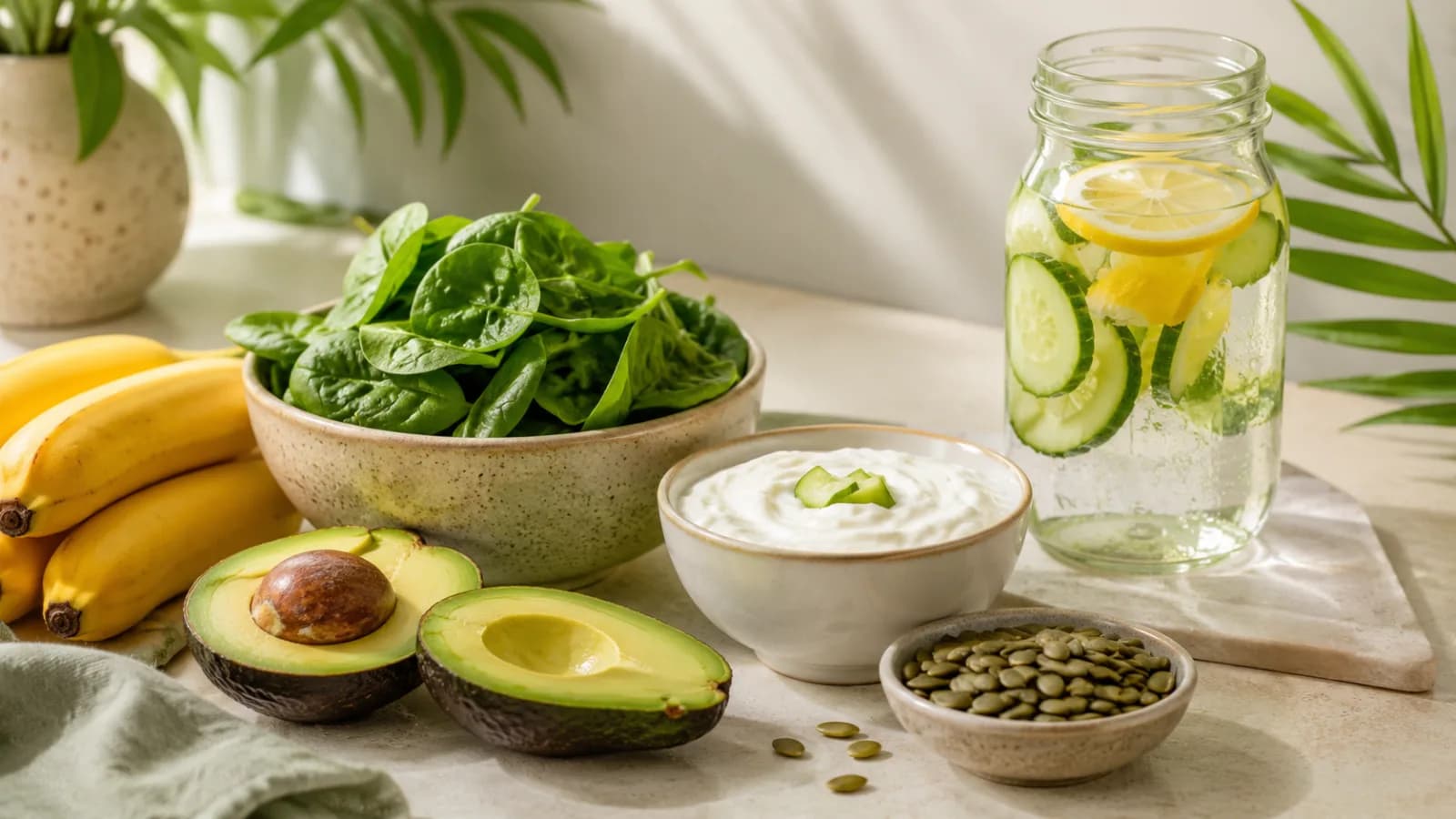
Avocado, spinach, bananas, Greek yogurt, and pumpkin seeds are easy options to add to meals and snacks.
The best routine is usually the one you can repeat.
Start with real food, drink water consistently, and pay attention to when your body needs extra support.
Not sure what wellness routine fits your body best?
Different people struggle with different patterns.
For some, the issue is cravings.
For others, it is low energy, hydration, digestion, bloating, snacking, stubborn weight, or not having a routine that feels realistic.
Take the free quiz to find the weight-loss routine that fits your body.
This article is for general information and does not replace medical advice. Talk to your doctor before making changes, especially if you have a health condition or take medication.