Walking for Weight Loss: Why a Daily Walk Works (and How to Stick With It)
A daily walk is one of the easiest weight-loss habits to keep. Here is why it works, why walking in nature and with a friend makes it even better, and how to start.
By KateLast reviewed
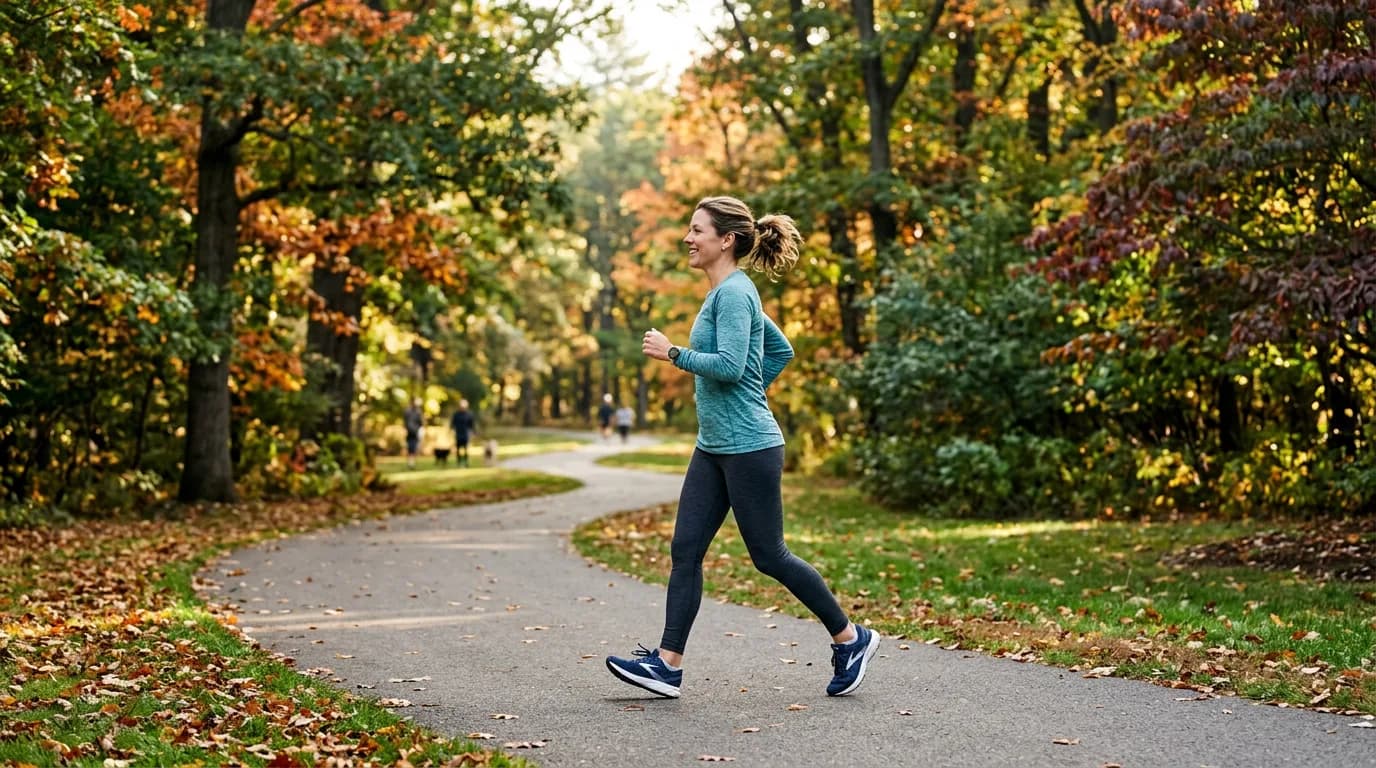
Walking does not look like a "serious" workout. No gym, no equipment, no sweat-soaked clothes. And yet it is one of the most effective habits for weight loss — because it is the one people actually keep doing.
Why a daily walk supports weight loss
It adds up. A brisk 30-minute walk burns more energy than sitting, and done daily, that difference becomes meaningful over weeks and months.
It is easy to repeat. Weight loss is mostly about consistency. Walking does not leave you exhausted or so hungry that you eat everything back.
It supports steady energy. Many people notice that a walk, especially after meals, helps them feel less sluggish. Our 10-minute after-dinner walk shows how small that habit can be.
It helps with cravings and stress. A walk is a good alternative when you would otherwise reach for a snack out of boredom or stress — see why you crave sugar in the afternoon.
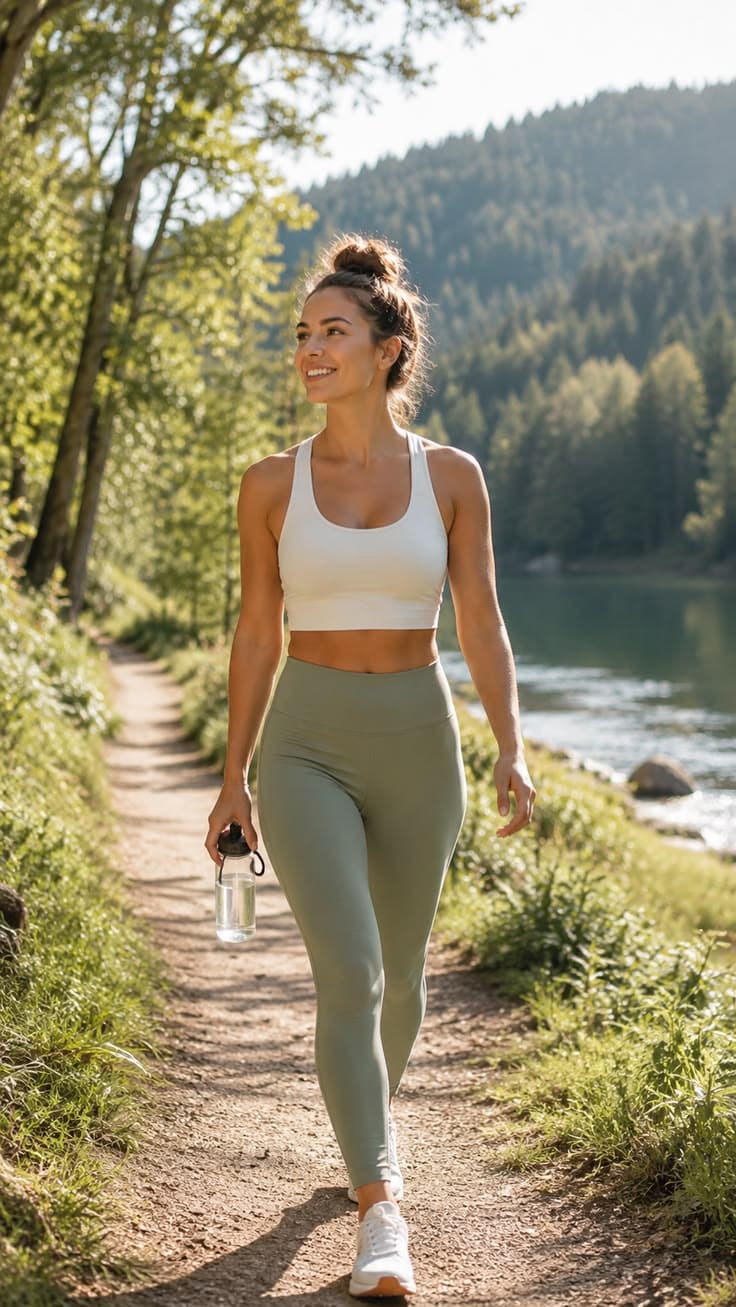
Why walking in nature feels so good
A walk outside combines movement with something many routines miss: time away from screens, noise and constant stimulation. Many people find a walk in a park, forest or along water calming and mood-lifting.
It also makes the walk more interesting. You notice the seasons, the light and the sounds — and suddenly 30 minutes go by much faster than on a treadmill.
Why walking with a friend makes the habit stick
Accountability. It is harder to skip a walk when someone is waiting for you.
It feels social, not like exercise. A good conversation makes time fly, and you will often walk longer without noticing.
Shared motivation. You support each other on low-energy days and celebrate progress together.
If you do not have a walking buddy, try a podcast, an audiobook or a phone call with a friend while you walk.
A simple 4-week walking plan
- Week 1: 15 minutes a day at a comfortable pace.
- Week 2: 20 minutes, with a few minutes at a brisk pace.
- Week 3: 25–30 minutes, mostly brisk.
- Week 4: 30 minutes daily, plus one longer nature walk on the weekend.
"Brisk" means you can still talk, but not sing.
Tips to make walking part of your day
- Walk at the same time every day — after breakfast, at lunch or after dinner.
- Keep comfortable shoes by the door.
- Turn phone calls into walking calls.
- Track your steps, but focus on minutes walked rather than a perfect number.
- Pair walks with good nutrition, like the Lazy Plate Method, for best results.
- Women over 40 can combine walking with strength-friendly protein habits.
How many calories does walking burn?
A rough rule: walking burns about 3 to 5 calories per minute for most women, depending on body weight, speed and terrain. That means:
- 20 minutes of brisk walking: about 80 to 120 kcal
- 30 minutes: about 120 to 180 kcal
- 60 minutes: about 250 to 350 kcal
Walking uphill, carrying a backpack or walking faster increases the burn. These numbers are not huge on any single day, but walking is easy to repeat every day without needing extra recovery, and that consistency is what adds up.
How many steps a day for weight loss?
You do not have to hit exactly 10,000 steps. Research on daily steps shows that health benefits rise steadily as people move from very low step counts toward 7,000 to 9,000 steps a day. A practical approach:
- Check your average steps for one normal week.
- Add 1,000 to 2,000 steps per day for the next two weeks.
- Repeat until walking feels like a normal part of your day.
Ways to make walks more effective
- Walk after meals. A short walk after eating is linked to steadier blood sugar. Start with the 10-minute after-dinner walk.
- Add intervals. Walk fast for 1 minute, then easy for 2 minutes, and repeat 5 times.
- Find hills or stairs. They raise your heart rate without needing to run.
- Use good posture. Stand tall, swing your arms and take quick, natural steps.
- Combine with strength training. Two short strength sessions a week help protect muscle, especially after 40. Read about creatine for women over 40 and protein habits for women over 40.
What to eat around your walks
You do not need special food for walking. If you walk in the morning, a glass of water or lemon water is enough for a short walk. For longer walks, a small snack with protein and carbs works well, such as a banana with a handful of nuts. After your walk, a balanced meal like a high-protein breakfast plate helps you recover and stay full.
The bottom line
Walking is simple, free and easy to stick with — and that is exactly why it works. Start small, walk outside when you can, invite a friend, and let the minutes add up.
FAQ
Walking Questions
How long should I walk to lose weight?
Many guidelines recommend at least 150 minutes of moderate activity per week — about 30 minutes, five days a week. Any amount more than you do now is a good start.
Is walking better than running for weight loss?
Running burns more per minute, but walking is easier to do every day and easier on joints. The best exercise is the one you will keep doing.
Should I walk before or after meals?
Both work. A short walk after meals is a popular habit because it can help with post-meal energy and digestion.
Can you lose belly fat by walking?
You cannot target fat loss to one area, but regular walking can help reduce overall body fat, including belly fat, when combined with balanced eating, good sleep and some strength training.
Is it better to walk fast or walk longer?
Both work. Brisk walking burns more per minute, while longer walks are easier to sustain. The best choice is the one you will repeat most days of the week.