Why Strength Training Matters for Women's Metabolism
Cardio burns calories while you move. Strength training changes what happens the rest of the day. Here is why lifting matters for women's metabolism, especially after 35, and how to start with just two short sessions a week.
By KateLast reviewed
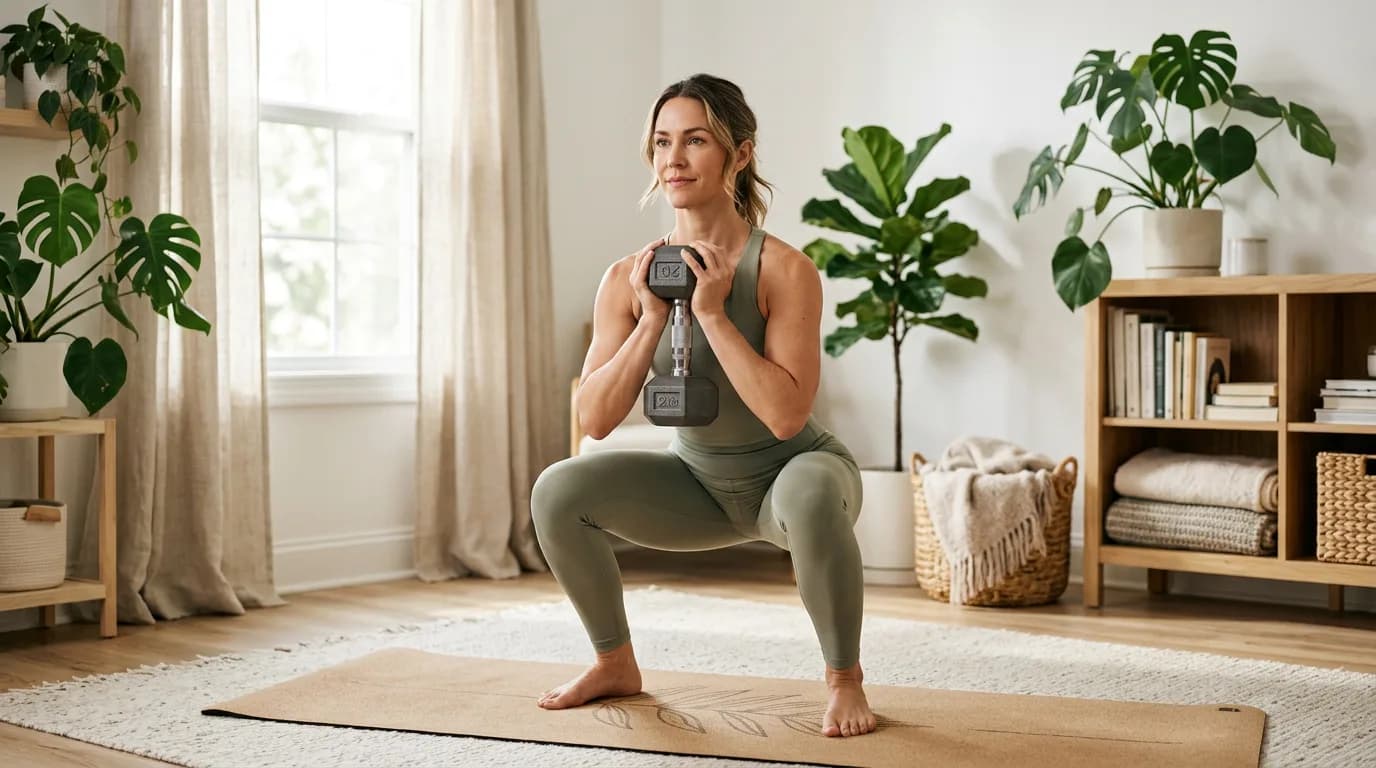
If you have ever done hours of cardio and still felt like your body was not changing, you are not alone. Cardio is great for your heart and mood, but it misses something important for women's metabolism: muscle.
Strength training, also called resistance or weight training, is one of the most effective habits for long-term weight support, healthy blood sugar and staying strong as you age. And you do not need a gym membership or hours of time to start.
What happens to muscle as women age
Muscle mass naturally declines with age, a process called sarcopenia. It often starts in our 30s and speeds up after 50. Around menopause, falling estrogen levels can make it even easier to lose muscle and gain fat around the middle.
Less muscle means:
- Slightly fewer calories burned at rest
- Less "storage space" for blood sugar after meals
- Lower strength and stamina for everyday life
- A higher risk of falls and bone loss later on
The encouraging part: muscle responds to training at any age. Studies show that women in their 60s, 70s and even older can build strength with regular resistance exercise.
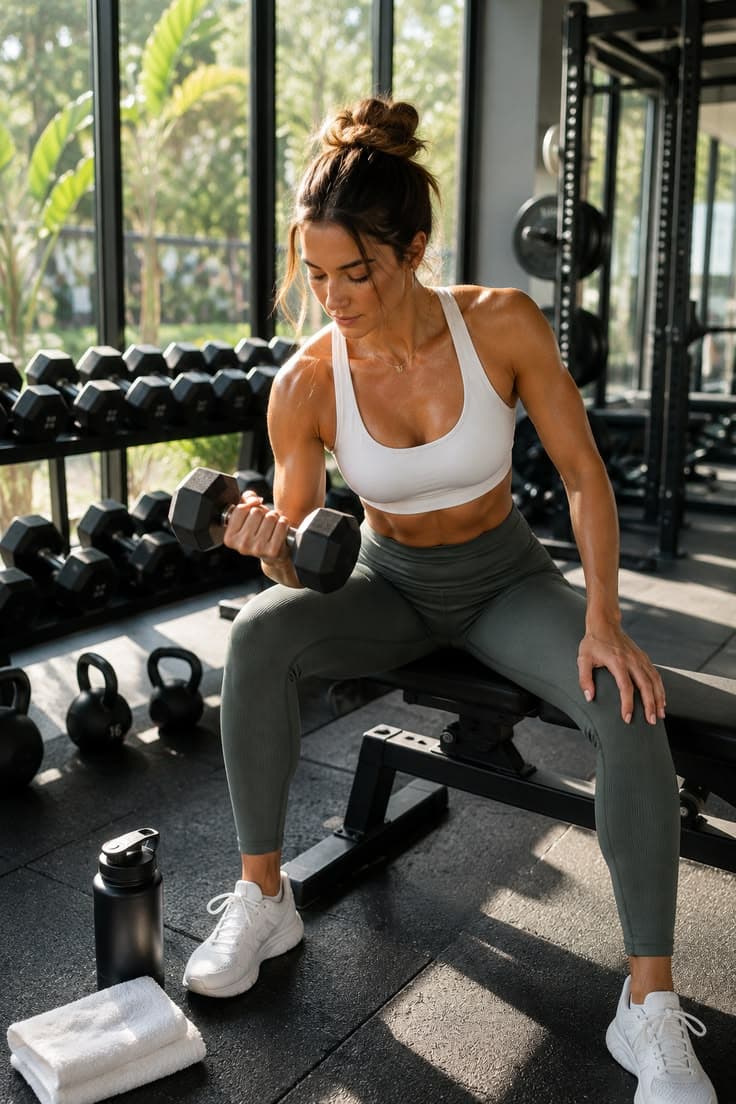
5 ways strength training supports your metabolism
1. It protects and builds lean muscle
When you diet without strength training, part of the weight you lose can be muscle. Lifting sends your body a clear message to keep it. That is why women who combine strength training with a calorie deficit tend to lose more fat and keep more muscle than those who only diet.
2. It supports healthy blood sugar
Muscle is the body's largest storage site for glucose. Working muscles pull sugar out of the blood, and regular strength training improves insulin sensitivity. This is one reason strength work appears in our list of habits that support insulin sensitivity and steady energy.
3. It slightly raises your resting energy use
Muscle tissue uses more energy than fat tissue, even at rest. The effect per pound is modest, but over months and years it adds up, and your body also spends energy repairing muscle after each workout.
4. It makes daily life more active
Stronger legs, back and arms make walking, carrying groceries, taking the stairs and playing with kids easier. People who feel strong tend to move more throughout the day, which matters more for calorie burn than a single workout.
5. It supports bones, joints and mood
Resistance training puts healthy stress on bones, which helps maintain bone density, especially important for women after menopause. Many women also notice better sleep, more confidence and less stress when they lift regularly.
How much strength training do you need?
The physical activity guidelines for adults recommend muscle-strengthening activities for all major muscle groups on at least two days per week. That can be as simple as:
- Two 30-minute full-body sessions per week
- Three shorter 20-minute sessions
- One full-body session plus short "movement snacks" like squats while the kettle boils
The key is progressive overload: slowly making the exercises harder over time with more weight, more reps or a slower tempo.
A simple 2-day beginner plan (at home)
Do each exercise for 2 to 3 rounds of 8 to 12 reps. Rest 60 seconds between rounds. Pick a weight that feels challenging in the last two reps.
Day A
- Squats (bodyweight or holding a dumbbell)
- Incline push-ups against a kitchen counter
- Glute bridges
- Bent-over dumbbell or backpack rows
- Plank, 20 to 30 seconds
Day B
- Reverse lunges
- Overhead dumbbell press
- Romanian deadlifts with dumbbells
- Resistance band pull-aparts
- Dead bugs for the core
Once 12 reps feel easy, add weight or another round. Wondering whether a supplement can help? Read about creatine for women over 40, one of the best-studied options for strength.
Eat to support your muscles
Training gives the signal; food provides the building blocks.
- Protein at every meal. Many experts suggest active women aim for roughly 1.2 to 1.6 g of protein per kilogram of body weight per day, spread across meals. See 5 protein habits for women over 40.
- A protein-rich breakfast. A high-protein breakfast plate with about 35 g of protein is an easy start.
- Enough total food. Very low-calorie diets make it hard to build or keep muscle.
- Fluids and sleep. Recovery happens when you rest, so protect your sleep.
Strength training and walking: the perfect pair
You do not need to choose. Daily walks support heart health, digestion and stress, while strength sessions protect muscle and blood sugar. Combine two strength workouts per week with walking for weight loss and you have a simple, sustainable plan.
Common mistakes to avoid
- Weights that are too light. Pink 2-pound dumbbells will not challenge most women for long. Gradually move up.
- Only training "problem zones". Full-body workouts build more muscle than endless crunches.
- Skipping the warm-up. Five minutes of marching, arm circles and bodyweight squats prepares your joints.
- Expecting fast scale changes. Muscle gain and fat loss can happen at the same time, so measure progress with strength, waist measurements and how clothes fit.
When to talk to a professional
If you have joint problems, osteoporosis, heart disease or are pregnant, ask your doctor or a physical therapist which exercises are right for you. A qualified trainer can also check your form in a few sessions.
FAQ
Strength Training Questions
Will strength training make women bulky?
Very unlikely. Women have much lower testosterone levels than men, so building large muscles takes years of very specific training and eating. For most women, strength training leads to a firmer, more toned look and better strength.
How often should women do strength training?
Health guidelines recommend muscle-strengthening activities that work all major muscle groups on at least two days a week. Two to three sessions of 20 to 40 minutes is a great target.
Does muscle really burn more calories than fat?
Yes, but the difference is smaller than often claimed. A pound of muscle burns roughly 6 calories a day at rest, compared with about 2 for a pound of fat. The bigger benefits of muscle are better blood sugar control, strength and staying active as you age.
Is walking enough, or do I need weights?
Walking is excellent for heart health and daily movement, but it does not challenge your muscles enough to maintain them as you age. Combining daily walks with two strength sessions per week gives you the best of both.
Can I strength train at home without equipment?
Yes. Squats, lunges, glute bridges, push-ups against a wall or counter, and rows with a backpack or resistance band can all build strength. Add dumbbells or bands as you get stronger.
The bottom line
Strength training is one of the best investments in your metabolism you can make, especially after 35. Two short sessions a week, enough protein and daily walks can help you protect muscle, support steady blood sugar and feel stronger in everyday life. Start light, stay consistent and let your strength grow over time.
This article is for general information and does not replace medical advice. Talk to your doctor before starting a new exercise program, especially if you have a health condition.