5 Protein Habits for Women Over 40
Protein becomes especially important after 40. These five simple habits can help women support muscle, fullness, strength, energy, and healthy aging routines.
By KateLast reviewed
Protein becomes more important as you age.
Not because you suddenly need to eat like a bodybuilder.
And not because protein is a magic fix.
But because after 40, many women start thinking more seriously about muscle, energy, strength, metabolism, fullness, and healthy aging.
Protein supports your body in many everyday ways.
It helps build and repair tissues.
It supports lean muscle.
It helps meals feel more satisfying.
It plays a role in recovery.
And when paired with strength training, it can be especially helpful for maintaining muscle as you get older.
The key is not to obsess over protein.
The key is to build simple habits that make protein easier to include consistently.
Here are five protein habits for women over 40.
1. Start breakfast with protein
Breakfast is one of the easiest places to miss protein.
Many common breakfasts are mostly carbohydrates:
- toast
- cereal
- pastries
- plain oatmeal
- fruit alone
- coffee only
- granola bars
These can be quick, but they may not keep you full for long.
A protein-rich breakfast can help your morning feel steadier.
It may help reduce mid-morning hunger, make meals feel more satisfying, and support your daily protein intake without needing to “catch up” later.
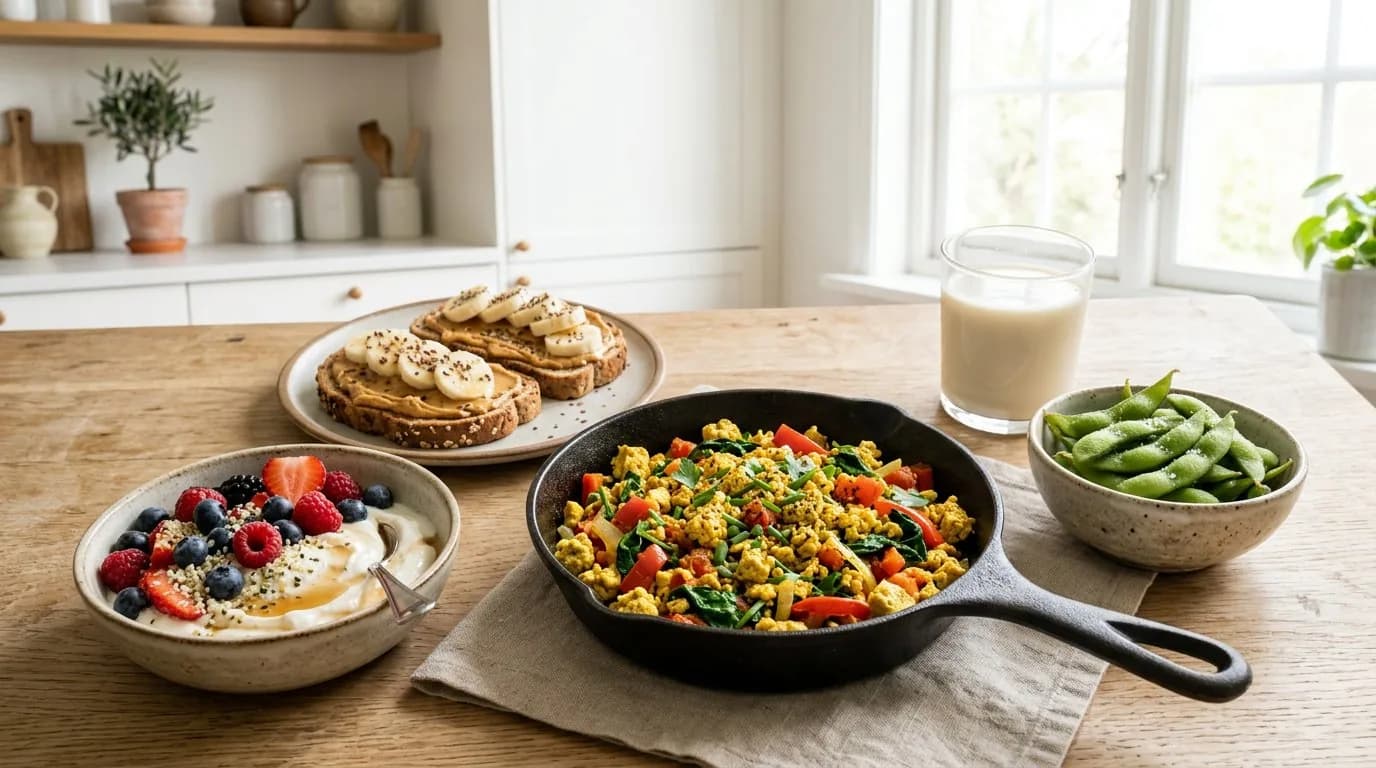
Simple protein breakfast ideas:
- Greek yogurt with berries and seeds
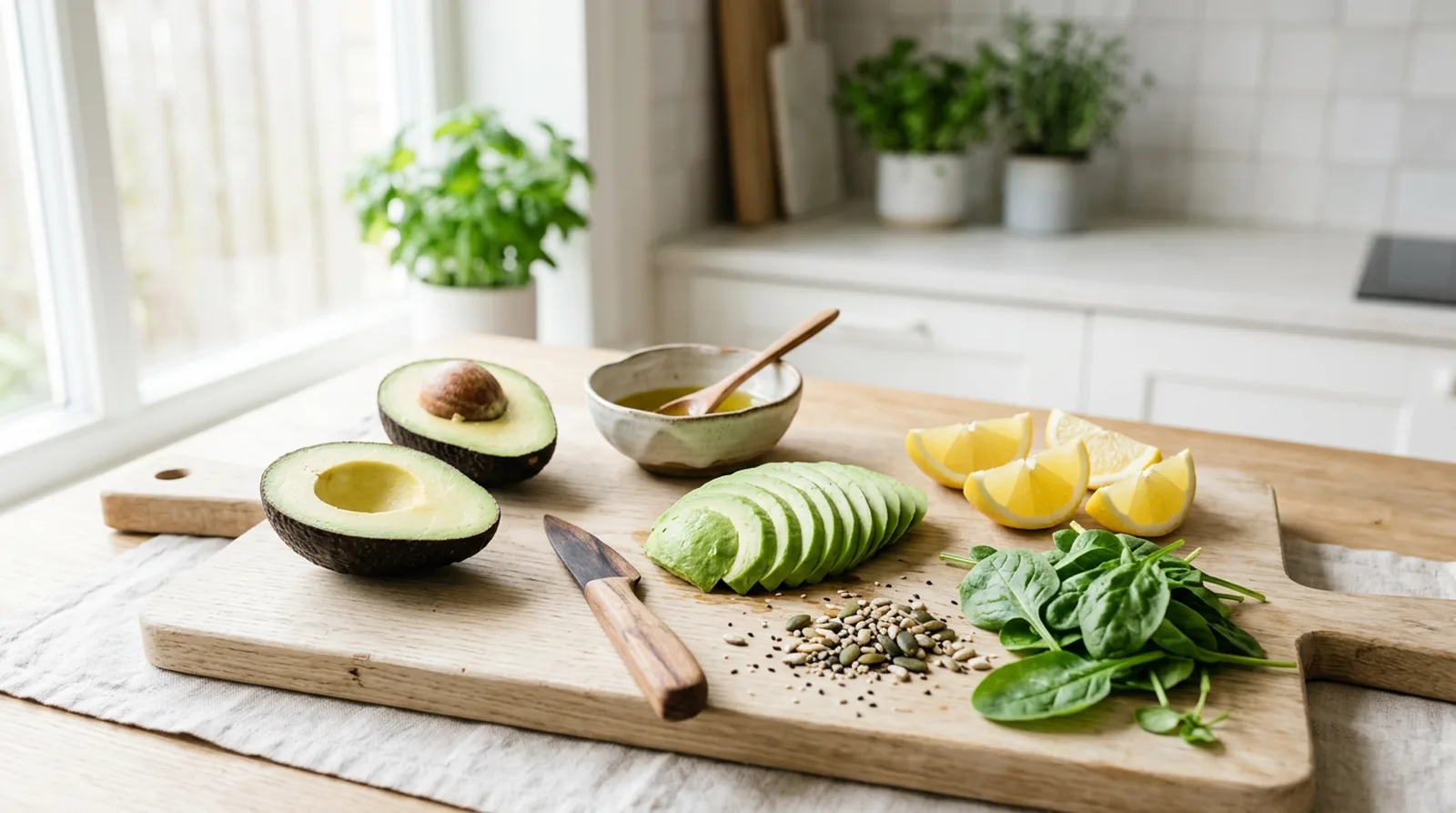
- eggs with avocado toast
- cottage cheese with fruit
- protein smoothie
- oatmeal with Greek yogurt or protein powder
- tofu scramble
- smoked salmon with whole-grain toast
- chia pudding with Greek yogurt
You do not need a complicated meal.
A good starting goal is simply to include one clear protein source at breakfast, like this high-protein breakfast plate.
For example:
Greek yogurt.
Eggs.
Cottage cheese.
Protein smoothie.
Tofu.
The habit matters more than perfection.
2. Add protein to every meal
Many people eat protein at dinner but miss it earlier in the day.
That can make it harder to reach enough protein overall.
Instead of trying to make one meal extremely high in protein, spread protein throughout the day.
A simple rule:
Add a protein source to every meal.
Protein sources can include:
- eggs
- chicken
- turkey
- fish
- Greek yogurt
- cottage cheese
- tofu
- tempeh
- lentils
- beans
- chickpeas
- edamame
- lean beef
- protein powder
- tuna
- shrimp
This makes meals feel more complete.
For example:
Instead of oatmeal alone, add Greek yogurt or protein powder.
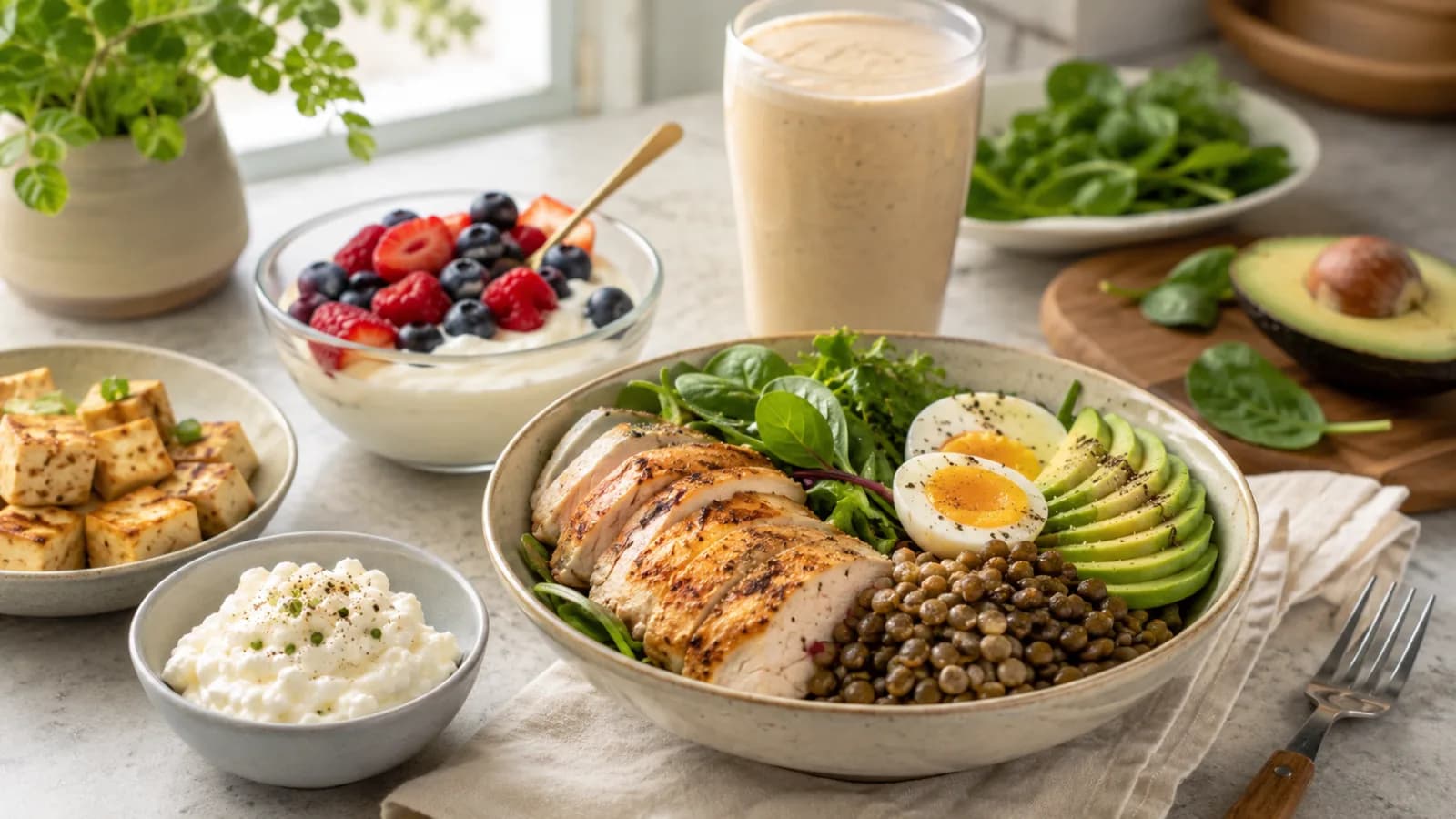
Instead of salad alone, add chicken, tofu, tuna, eggs, beans, or lentils, as in this low-carb chicken and avocado salad.
Instead of pasta alone, add shrimp, turkey, lentils, or cottage cheese-based sauce.
Instead of toast alone, add eggs, cottage cheese, smoked salmon, or tofu.
Small upgrades can make a normal meal more satisfying.
3. Pair protein with fiber
Protein is important, but it works even better when your meal also includes fiber.
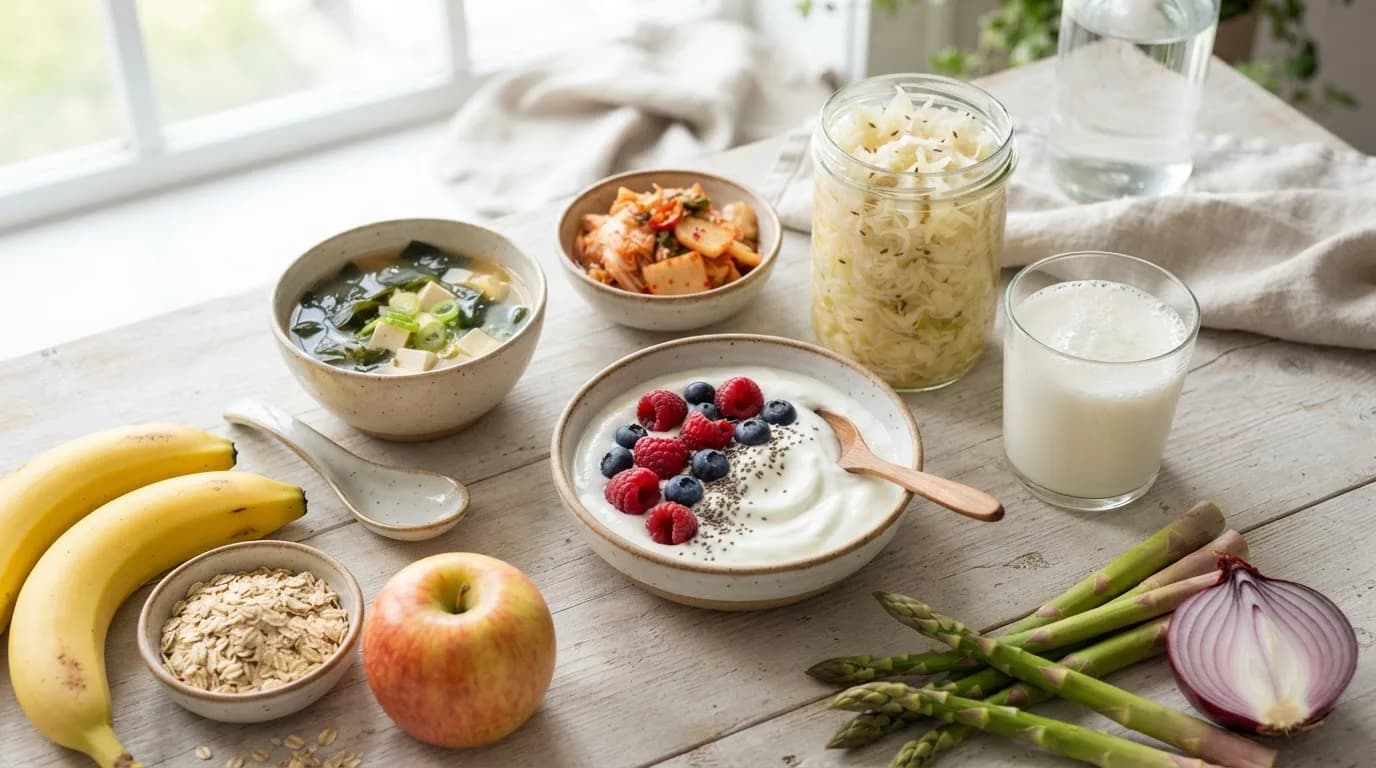
Fiber helps support digestion, fullness, blood sugar steadiness, and gut health.
A meal with protein and fiber often feels more satisfying than protein alone.
Good fiber sources include:
- vegetables
- berries
- oats
- beans
- lentils
- chickpeas
- quinoa
- whole grains
- chia seeds
- flaxseed
- avocado
- apples
- pears
- nuts and seeds
Simple pairings:
- eggs with spinach and whole-grain toast
- Greek yogurt with berries and ground flaxseed
- chicken with roasted vegetables and quinoa
- tofu with vegetables and rice
- cottage cheese with berries and chia seeds
- lentil soup with a side salad
- salmon with potatoes and greens
This is especially helpful if your goal is steady energy and fewer cravings.
A protein-only snack may help.
But protein plus fiber usually works better. Here are five protein and fiber combos that keep you full longer.
4. Eat protein after strength training
Strength training becomes more important after 40.
Lean muscle naturally tends to decline with age if you do not actively maintain it.
Protein and resistance training work together.
Training gives your muscles a reason to adapt.
Protein gives your body the building blocks it needs for repair and maintenance.
That does not mean you need to eat immediately after a workout in a panic.
But it is smart to have protein within a reasonable window after strength training.
Post-workout protein ideas:
- Greek yogurt and berries
- protein smoothie
- eggs and toast
- cottage cheese bowl
- chicken or tofu bowl
- tuna with whole-grain crackers
- protein oats
- lentil bowl
If you are training regularly, your overall daily protein intake matters more than one perfect post-workout meal.
Still, having a reliable protein option after workouts can make consistency easier. Some women also look into creatine for women over 40 as a complement to strength training.
5. Keep easy protein snacks ready
One reason people struggle with protein is convenience.
When life gets busy, quick snacks are usually the easiest foods to grab.
That is why keeping simple protein options ready can help.
Easy protein snacks:
- Greek yogurt
- cottage cheese
- hard-boiled eggs
- protein smoothie
- tuna packets
- turkey slices
- edamame
- roasted chickpeas
- protein bar
- nuts with yogurt
- cheese with fruit
- hummus with vegetables
The goal is not to snack all day.
The goal is to have better options available when you need them.
This can help prevent the pattern where you get too hungry, grab something quick, and then feel hungry again soon after.
A simple protein snack can make your day feel more stable.
Why protein matters more after 40
After 40, your body may not respond exactly the way it did before.
Muscle maintenance can require more intention.
Recovery may feel different.
Energy may feel less predictable.
Weight management may feel more complicated.
Protein can help support:
- lean muscle
- strength
- fullness
- workout recovery
- healthy aging
- bone-supporting routines
- more satisfying meals
But protein works best as part of a bigger foundation:
- strength training
- enough calories
- enough fiber
- sleep
- hydration
- daily movement
- stress management
- consistent meals
Protein is important.
But it is not the whole plan.
How much protein do women over 40 need?
Protein needs depend on body size, activity level, goals, health status, and age.
The general RDA for adults is 0.8 grams of protein per kilogram of body weight per day.
That is a baseline amount for many healthy adults, not necessarily an ideal target for everyone trying to maintain muscle or train regularly.
Many active women or women focused on strength and healthy aging may benefit from more protein than the minimum.
A simple practical starting point is to aim for protein at each meal.
For many people, that may look like:
- 20 to 30 grams at breakfast
- 20 to 30 grams at lunch
- 20 to 30 grams at dinner
- optional protein snack if needed
This is not a medical prescription.
It is a practical habit framework.
If you have kidney disease, liver disease, a medical condition, or specific dietary restrictions, speak with a healthcare professional before significantly increasing protein.
Excellent protein sources
Here are simple protein sources you can rotate.
Eggs
Easy, affordable, and versatile.
Use them for breakfast, bowls, salads, or snacks.
Chicken
Simple, lean, and easy to meal prep.
Works in bowls, wraps, salads, soups, and dinners.
Greek yogurt
Great for breakfast, snacks, smoothies, and sauces.
Choose plain if you want less added sugar.
Lentils
Plant-based protein plus fiber.
Works well in soups, bowls, salads, and stews.
Tofu
A flexible plant-based protein.
Use it in stir-fries, scrambles, bowls, or soups.
Cottage cheese
High in protein and easy to pair with fruit, vegetables, toast, or bowls.
Fish
Provides protein and, depending on the type, healthy fats.
Salmon, tuna, sardines, cod, and shrimp can all fit.
Beans and chickpeas
Useful for plant-based meals.
They provide protein, fiber, and slow-digesting carbohydrates.
What if you do not feel hungry in the morning?
Some women do not feel hungry early in the day.
That is okay.
You do not have to force a huge breakfast.
Start small:
- Greek yogurt
- boiled egg
- small smoothie
- cottage cheese
- protein coffee
- tofu bite
- half a breakfast wrap
The goal is to make protein easier, not stressful.
If breakfast feels too hard, focus on lunch and dinner first.
Then slowly build a morning habit if it helps your energy and cravings.
Protein also supports collagen; see 5 collagen habits for women over 40.
For more on muscle, metabolism and routines in midlife, see our guide for women over 35.
FAQ
Protein After 40 Questions
How much protein should a woman over 40 eat per day?
The general RDA is 0.8 grams of protein per kilogram of body weight, but many active women or those focused on maintaining muscle may benefit from more. A practical approach is about 20 to 30 grams at each main meal, and anyone with kidney or liver disease should ask a doctor first.
What is an easy high-protein breakfast?
Greek yogurt with berries and seeds, eggs with whole-grain toast, cottage cheese with fruit, or a protein smoothie are simple options. Each can provide a solid serving of protein without much prep time.
Can eating more protein help with weight loss after 40?
Protein can help meals feel more filling and supports muscle maintenance, which may make weight management easier. It works best alongside strength training, enough fiber, sleep, and an overall balanced diet rather than as a fix on its own.
Is it too much protein to eat 30 grams at once?
For most healthy adults, 20 to 30 grams of protein in one meal is a reasonable amount, and your body uses protein from larger meals too. Spreading protein across the day is mainly a practical way to make your total intake easier to reach.
The bottom line
Protein is one of the most useful nutrients for women over 40.
It can support lean muscle, fullness, strength, workout recovery, and healthy aging routines.
But the best protein plan is not the most extreme one.
It is the one you can repeat.
Start with breakfast.
Add protein to each meal.
Pair it with fiber.
Eat after strength training.
Keep easy protein snacks ready.
Small habits can make protein feel simple — and consistency is what makes the difference.
Not sure what wellness routine fits your body best?
Different people struggle with different patterns.
For some, the issue is cravings.
For others, it is low energy, digestion, bloating, snacking, stubborn weight, poor sleep, or not having a routine that feels realistic.
Take the free quiz to find the weight-loss routine that fits your body.
This article is for general information and does not replace medical advice. Talk to your doctor before making changes, especially if you have a health condition or take medication.
Sources
We check health claims against research summaries and official fact sheets. Links open the original source.
- How much protein do you need every day? · Harvard Health Publishing, 2023
- Evidence-based recommendations for optimal dietary protein intake in older people: a position paper from the PROT-AGE Study Group (Bauer et al.) · Journal of the American Medical Directors Association, 2013
- Discussion on protein recommendations for supporting muscle and bone health in older adults: a mini review (Groenendijk et al.) · Frontiers in Nutrition, 2024