5 Reasons You Crave Sugar in the Afternoon
Afternoon sugar cravings can happen for many reasons, including blood sugar dips, stress, poor sleep, low protein, and dehydration. Here is how to understand them more gently.
By KateLast reviewed
Afternoon sugar cravings can feel confusing.
You may start the day with good intentions.
You eat something “healthy.”
You try to stay focused.
You tell yourself you will not snack randomly today.
But then the afternoon hits.
Suddenly, you want chocolate, cookies, pastries, sweet coffee, candy, or anything that gives you quick comfort and energy.
That does not mean you are weak.
And it does not always mean you need more discipline.
Sugar cravings often happen because your body is trying to tell you something.
Maybe your lunch was not balanced enough.
Maybe your blood sugar dipped.
Maybe you are tired.
Maybe stress is building up.
Maybe you are dehydrated.
Maybe you did not eat enough protein or fiber earlier in the day.
The good news is that cravings are not something you need to fight with shame.
You can understand them, work with your body, and build habits that make the afternoon feel easier.
Here are five common reasons you crave sugar in the afternoon.
1. Your blood sugar may be dipping
One common reason for afternoon cravings is a blood sugar dip.
This can happen when your earlier meals are mostly quick-digesting carbohydrates without enough protein, fiber, or healthy fats.
For example, you may feel fine after a breakfast like:
- toast with jam
- cereal
- a pastry
- sweet coffee
- fruit alone
- a granola bar
- plain oatmeal without protein
These foods can give you quick energy, but they may not keep you satisfied for long.
Later, your body may start looking for another fast source of energy.
That is when sugar cravings can show up.
You might notice:
- low energy
- shakiness
- mood swings
- brain fog
- strong sweet cravings
- feeling hungry again soon after eating
The solution is not necessarily cutting out all carbs.
A better first step is making meals more balanced.
Try building meals with:
- protein
- fiber
- healthy fats
- slow-digesting carbohydrates
For example:
Greek yogurt + berries + chia seeds.
Eggs + avocado toast.
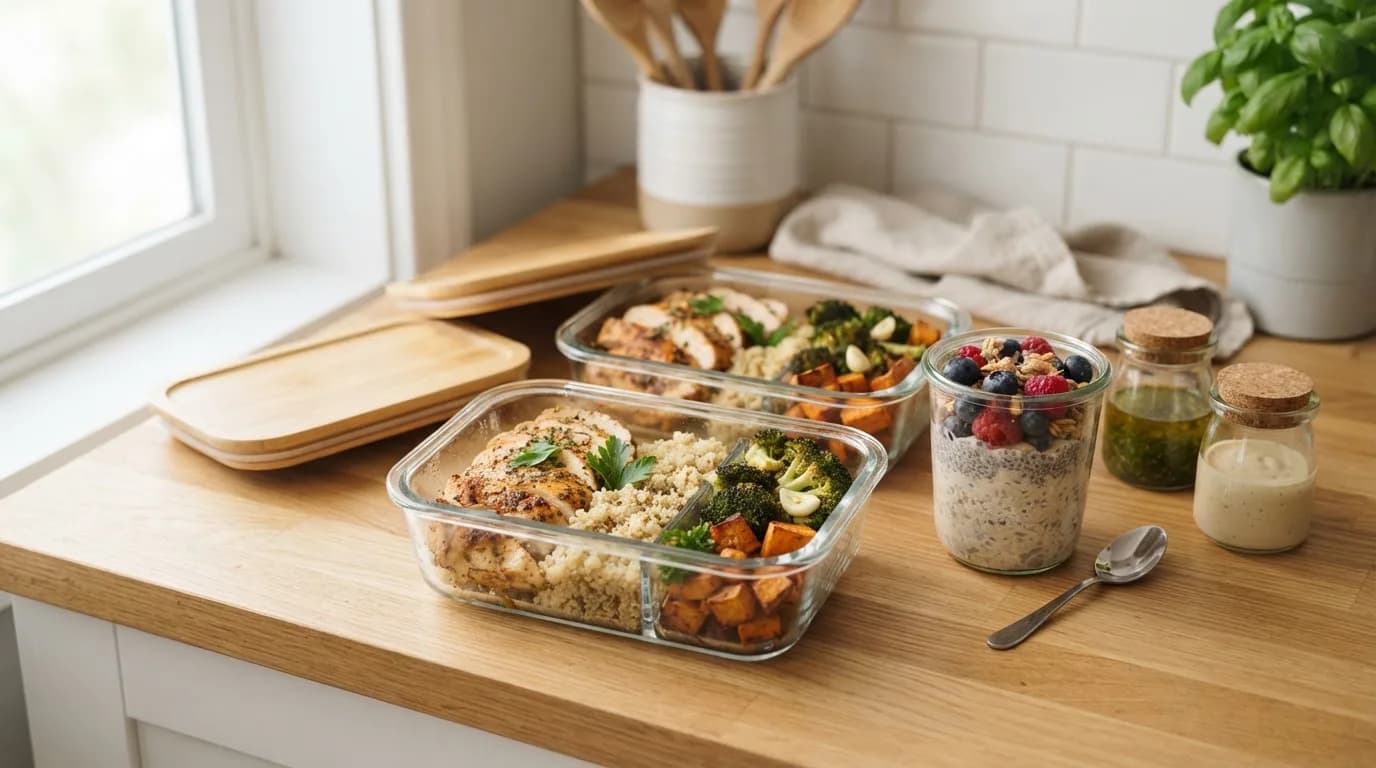
Chicken + quinoa + vegetables.
Oatmeal + protein + nut butter.
Cottage cheese + apple + cinnamon.
A balanced meal can help your energy feel steadier and reduce the need for quick sugar later.
2. Stress may be driving emotional cravings
Stress can make sugar cravings stronger.
When you are overwhelmed, tired, or emotionally drained, your brain often wants quick comfort.
Sweet foods can feel soothing in the moment.
They are fast.
They are easy.
They give a quick reward.
This does not mean you are doing something wrong.
It means your body and brain may be looking for relief.
Common stress-craving signs include:
- craving sweets even when you are not physically hungry
- wanting snacks after a difficult task
- eating while scrolling or working
- feeling like you “need” something sweet to relax
- craving sugar more on busy or emotional days
A helpful question is:
“Am I hungry, or am I stressed?”
Both are valid.
But they need different solutions.
If you are physically hungry, eat a balanced snack.
If you are stressed, food may not fully solve the real problem.
Try a small pause before reaching for sugar:
- take a short walk
- drink water
- do two minutes of deep breathing
- stretch your shoulders
- write down what is bothering you
- step outside for sunlight
- make tea
- eat a protein-rich snack if you are also hungry
You do not need to eliminate emotional eating perfectly.
Just start noticing the pattern.
Awareness is progress.
3. Poor sleep can make cravings louder
Sleep has a huge effect on hunger, cravings, energy, and motivation.
When you do not sleep well, your body may crave quick energy the next day.
That often means sugar, refined carbs, or snack foods.
Poor sleep can make you feel:
- hungrier
- less satisfied after meals
- more emotional
- less motivated
- more likely to snack
- more drawn to sweet foods
- less able to pause before eating
This is why cravings are not just a food problem.
Sometimes they are a recovery problem.
If you are trying to reduce afternoon sugar cravings, look at your sleep routine too.
Simple sleep-supporting habits include:
- getting morning sunlight
- keeping caffeine earlier in the day
- limiting screens before bed
- making your bedroom cooler
- eating a balanced dinner
- keeping a consistent wake time
- creating a calming wind-down routine
You do not need a perfect sleep routine.
Start with one small habit.
For example:
No phone in bed.
Or caffeine before noon only.
Or a 10-minute wind-down routine before sleep.
Better sleep can make food choices feel much easier.
4. You may not be eating enough protein and fiber
A lot of afternoon cravings come from meals that are too light.
Many people try to “be good” during the day.
They eat a small breakfast.
They choose a light lunch.
They avoid snacks.
They drink coffee instead of eating.
At first, this feels like discipline.
But later, the body pushes back.
If your meals do not give you enough protein and fiber, you may feel hungry again quickly.
Protein helps meals feel more satisfying.
Fiber slows digestion and supports fullness.
Together, they can help reduce the feeling that you need something sweet later.
Signs you may need more protein and fiber:
- you feel hungry one to two hours after eating
- you snack often but never feel satisfied
- you crave sweets after lunch
- you rely on coffee to push through the afternoon
- your meals are mostly bread, pasta, crackers, cereal, or fruit alone
- you feel like you are always “starting over”
Try adding protein and fiber earlier in the day.
Breakfast ideas:
- Greek yogurt with berries and chia seeds
- eggs with vegetables and avocado
- protein oatmeal with ground flaxseed
- cottage cheese with apple and cinnamon
- tofu scramble with whole-grain toast
Lunch ideas:
- chicken salad with beans or quinoa
- lentil soup with vegetables
- salmon with roasted vegetables
- tofu bowl with rice and greens
- turkey wrap with avocado and vegetables
Snack ideas:
- apple slices with nut butter
- boiled eggs with cucumber
- Greek yogurt with berries
- cottage cheese with cinnamon
- chia pudding with fruit
The goal is not to eat perfectly.
The goal is to eat enough to avoid feeling out of control later.
5. You may be dehydrated
Dehydration can sometimes feel like hunger or cravings.
This is especially common if you drink mostly coffee, forget water during the day, or eat salty foods.
When you are dehydrated, you may feel:
- low energy
- dry mouth
- headache
- tired
- foggy
- irritable
- snacky
- hungry even after eating
Before assuming you need sugar, try checking your hydration.
A simple habit:
Drink water before your afternoon snack.
Not as a punishment.
Not to suppress hunger.
Just to support your body.
You can make hydration easier with:
- lemon water
- cucumber water
- mint water
- sparkling water
- herbal tea
- water with berries
- a water bottle at your desk
If you are truly hungry, still eat.
But if dehydration is part of the craving pattern, drinking water consistently may help your afternoon feel steadier.
What to do when a sugar craving hits
When a craving hits, do not panic.
Try this simple process.
First, pause for a moment.
Ask yourself:
“Did I eat enough protein today?”
“Did I eat enough fiber?”
“Am I tired?”
“Am I stressed?”
“Have I had water?”
“Do I need a real snack?”
Then choose your next step.
If you are hungry, eat something balanced.
If you are tired, take a short walk or rest if possible.
If you are stressed, take a calming break.
If you still want something sweet, have it intentionally instead of eating it in a rushed, guilty way.
Cravings are easier to manage when you stop treating them like failure.
Smart snack ideas for sweet cravings
If you want something sweet but also satisfying, try snacks that combine protein, fiber, or healthy fats.
Here are a few ideas:
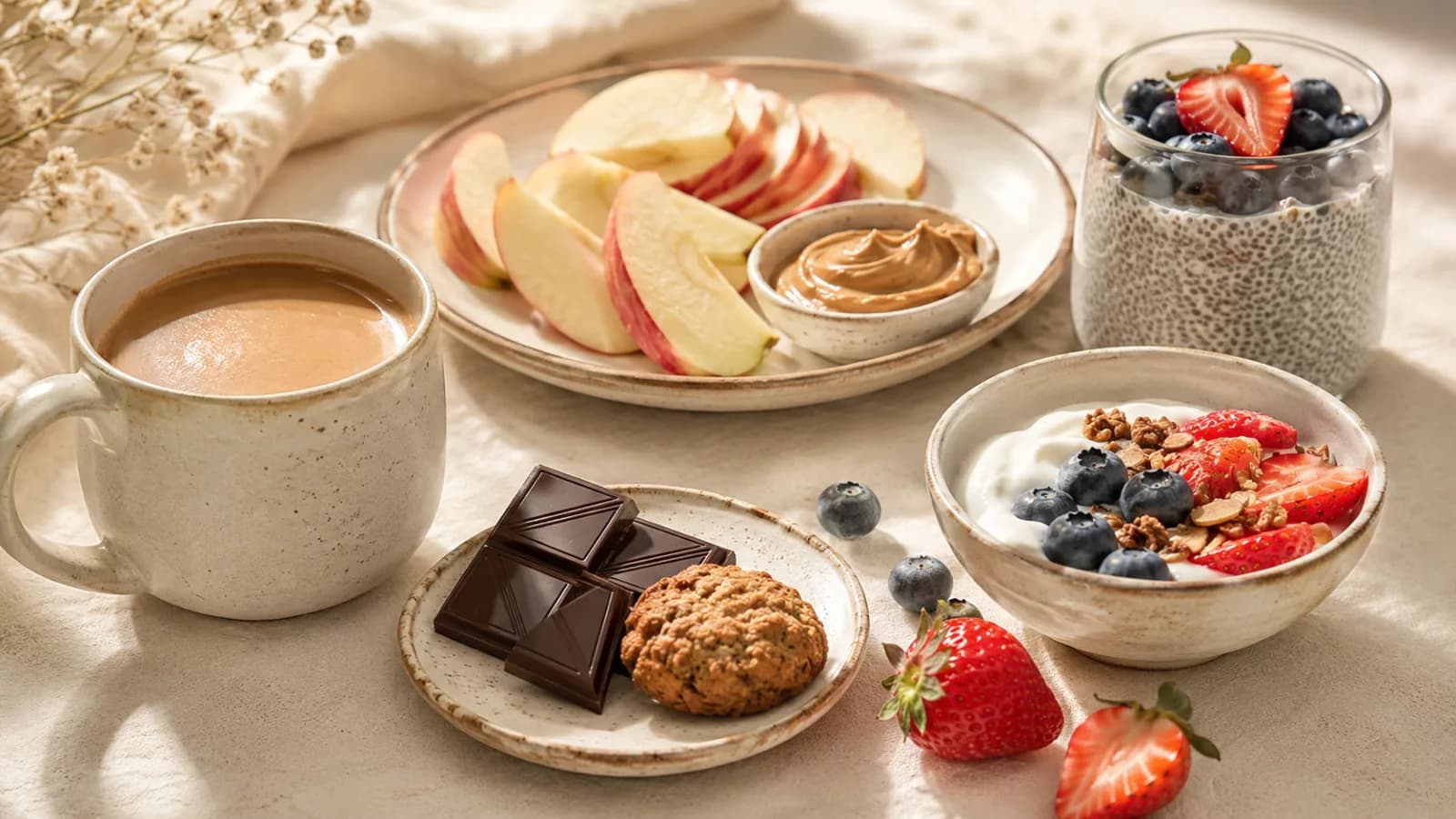
Greek yogurt with berries and nuts
Creamy, sweet, high in protein, and more satisfying than berries alone.
Apple slices with nut butter and cinnamon
Crunchy, sweet, and balanced with healthy fats.
Chia pudding with berries
High in fiber and easy to prep ahead.
Dark chocolate with almonds
A small sweet option paired with fat and crunch.
Protein smoothie with banana and peanut butter
Useful when you want something sweet but filling.
Cottage cheese with berries
High in protein and naturally sweet when paired with fruit.
Oatmeal with cocoa and protein
A warm option that can feel like dessert but still support fullness.
The goal is not to trick yourself.
The goal is to give your body something satisfying enough that you do not keep searching for snacks all afternoon.
How to prevent afternoon sugar cravings
Here are simple habits that can help.
Eat a balanced breakfast
Start with protein and fiber.
This can make your morning and afternoon feel steadier. These filling breakfast ideas are a good place to start.
Build a better lunch
Avoid lunches that are only salad, only bread, or only carbs.
Add protein, fiber, and healthy fats. The 3-color lunch formula makes this easy without counting calories.
Keep emergency snacks ready
Have simple options available so you are not relying on vending machines, pastries, or whatever is closest. Here are some healthy snacks that help reduce cravings.
Drink water earlier
Do not wait until the afternoon to hydrate.
Start in the morning.
Move after meals
A short walk after meals can support energy and make your routine feel more stable. Even a 10-minute after-dinner walk counts.
Reduce all-or-nothing thinking
If you eat something sweet, it does not ruin your day.
One snack is not failure.
Just return to your next supportive choice.
When cravings may need extra support
Occasional cravings are normal.
But if cravings feel intense, constant, or out of control, it may be worth looking deeper.
Strong cravings can sometimes be connected to:
- chronic under-eating
- poor sleep
- stress
- emotional eating
- restrictive dieting
- blood sugar issues
- hormonal changes
- binge eating patterns
- medication effects
- nutrient gaps
If cravings cause distress or feel impossible to manage, consider speaking with a healthcare professional or registered dietitian.
You do not have to solve everything alone.
FAQ
Afternoon Sugar Craving Questions
Why do I crave sugar every day at 3 pm?
A daily mid-afternoon craving is often linked to a light or unbalanced lunch, a dip in energy, stress, or too little sleep. Habit plays a role too, because the brain learns to expect a sweet treat at the same time.
What should I eat when I crave sugar in the afternoon?
Snacks that pair something sweet with protein, fiber, or healthy fat tend to be more satisfying. Examples include Greek yogurt with berries, apple slices with nut butter, or a small piece of dark chocolate with almonds.
Can dehydration cause sugar cravings?
Mild dehydration can cause tiredness and low energy, which some people experience as hunger or cravings. Drinking water regularly through the day is a simple habit worth trying, though it does not replace eating when you are truly hungry.
When should I talk to a doctor about sugar cravings?
If cravings feel intense, constant, or out of control, or come with symptoms like unusual thirst, fatigue, or shakiness, it is worth speaking with a healthcare professional. They can check for issues such as blood sugar problems or nutrient gaps.
The bottom line
Afternoon sugar cravings are not always about willpower.
They can be a signal.
Your body may need more balanced meals, better sleep, less stress, more hydration, or more protein and fiber.
Start with small changes:
Eat a more balanced breakfast.
Add protein and fiber to lunch.
Drink water.
Sleep better.
Keep satisfying snacks ready.
And most importantly, stop shaming yourself for having cravings.
Your body is not the enemy.
It is giving you information.
Not sure what routine fits your body best?
Different people struggle with different patterns.
For some, the issue is cravings.
For others, it is low energy, digestion, bloating, snacking, stubborn weight, poor sleep, or not having a routine that feels realistic.
Take the free quiz to find the weight-loss routine that fits your body.
This article is for general information and does not replace medical advice. Talk to your doctor before making changes, especially if you have a health condition or take medication.