Fennel Tea for Bloating and Gas: Does It Work and How to Make It
Fennel tea is one of the oldest after-dinner remedies for a bloated belly. Here is what the evidence really says, the exact fennel seed tea recipe (1 teaspoon, 10 minutes), the best time to drink it and who should skip it.
By KateLast reviewed
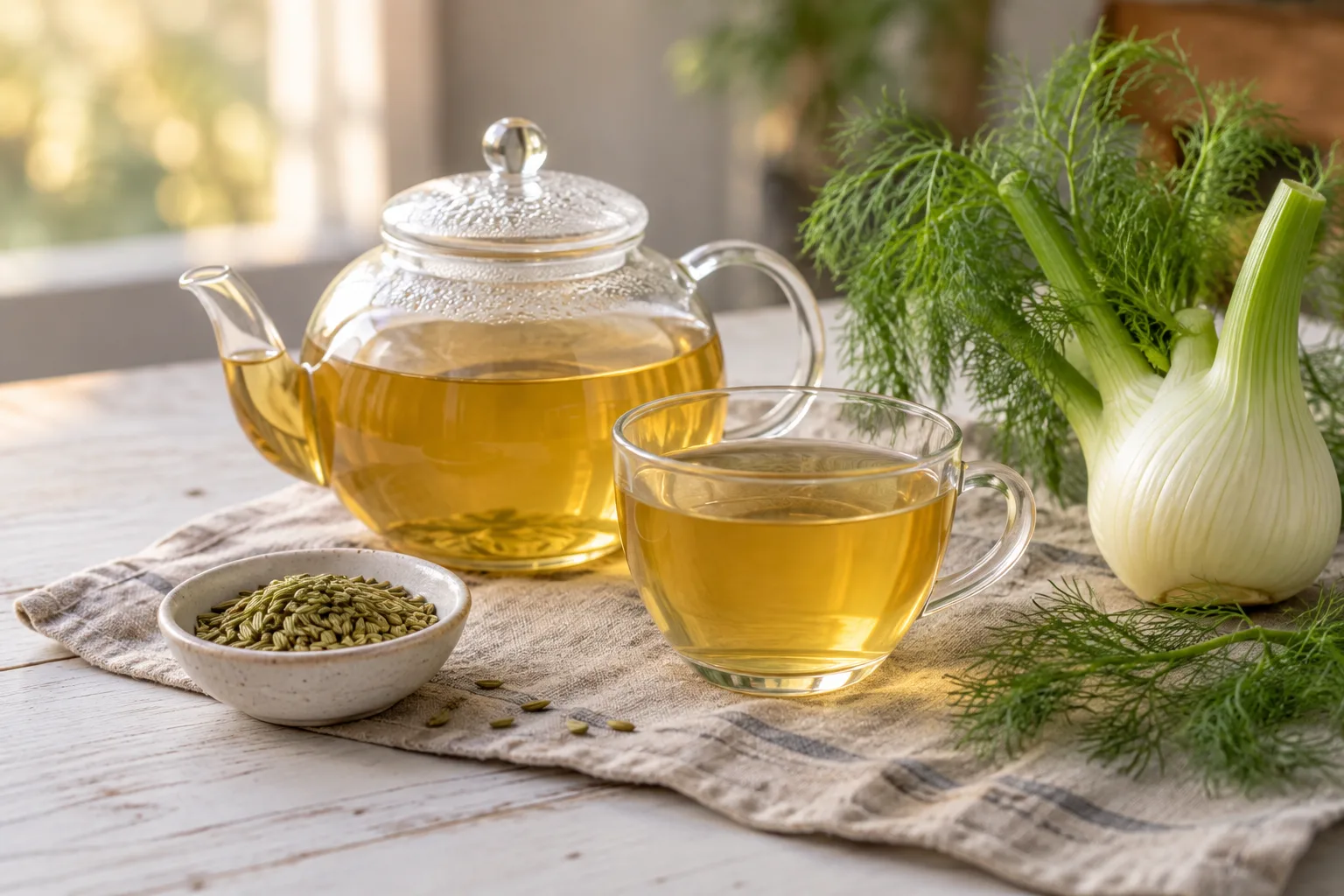
Fennel tea may ease mild, everyday bloating and gas, and it has centuries of use behind it, but the scientific evidence for the tea itself is thin. If you want to try it, steep 1 teaspoon of lightly crushed fennel seeds in a cup of just-boiled water for 10 minutes and sip it slowly after a meal.
That is the short version. Below is what "traditional use" really means here, how to make a cup that tastes good and when fennel is not the right choice.
What the evidence actually says
Traditional use: strong. Fennel seeds have been chewed or brewed after meals across Europe, the Middle East and India for a very long time. A 2014 review of fennel research lists flatulence and other digestive complaints among its most common traditional uses in many countries.
Official recognition: yes, as a traditional remedy. The European Medicines Agency (EMA), which assesses herbal medicines in the EU, recognizes sweet fennel as a traditional herbal medicine for mild, spasmodic digestive complaints, including bloating and flatulence. "Traditional" is an important word: it means the use is plausible and long-established, not that large clinical trials have proven it.
Clinical trials: limited and not on tea. The best-known adult study tested capsules that combined curcumin with fennel essential oil in 121 people with IBS. After 30 days, symptom scores dropped by about 50% with the capsules versus about 26% with placebo, and 25.9% of the capsule group were symptom-free compared with 6.8% on placebo. That is encouraging, but it was a concentrated oil plus turmeric extract, so it tells us little about a cup of tea.
So, fair expectations: fennel tea is a gentle, low-risk thing to try for occasional bloating. It is not a treatment for ongoing digestive problems.
Why a warm cup can still help
Most everyday gas has two sources, according to the NIH digestive health institute (NIDDK): air you swallow, and gas that gut bacteria make from carbohydrates you do not fully digest. A tea does not change your bacteria overnight, but the habit around it helps with the first source. You sip slowly, you are not drinking anything fizzy and you take a pause after eating instead of rushing.
If you want the bigger picture of what to sip and what to skip on a tight-belly day, our list of eight drinks that ease bloating, and four that make it worse puts fennel next to the other options.
How to make fennel tea for bloating
You need fennel seeds, the small green-gray seeds from the spice aisle. Fennel tea bags work too, but loose seeds are cheaper and fresher.
- Measure 1 teaspoon of seeds (about 2 g) per cup.
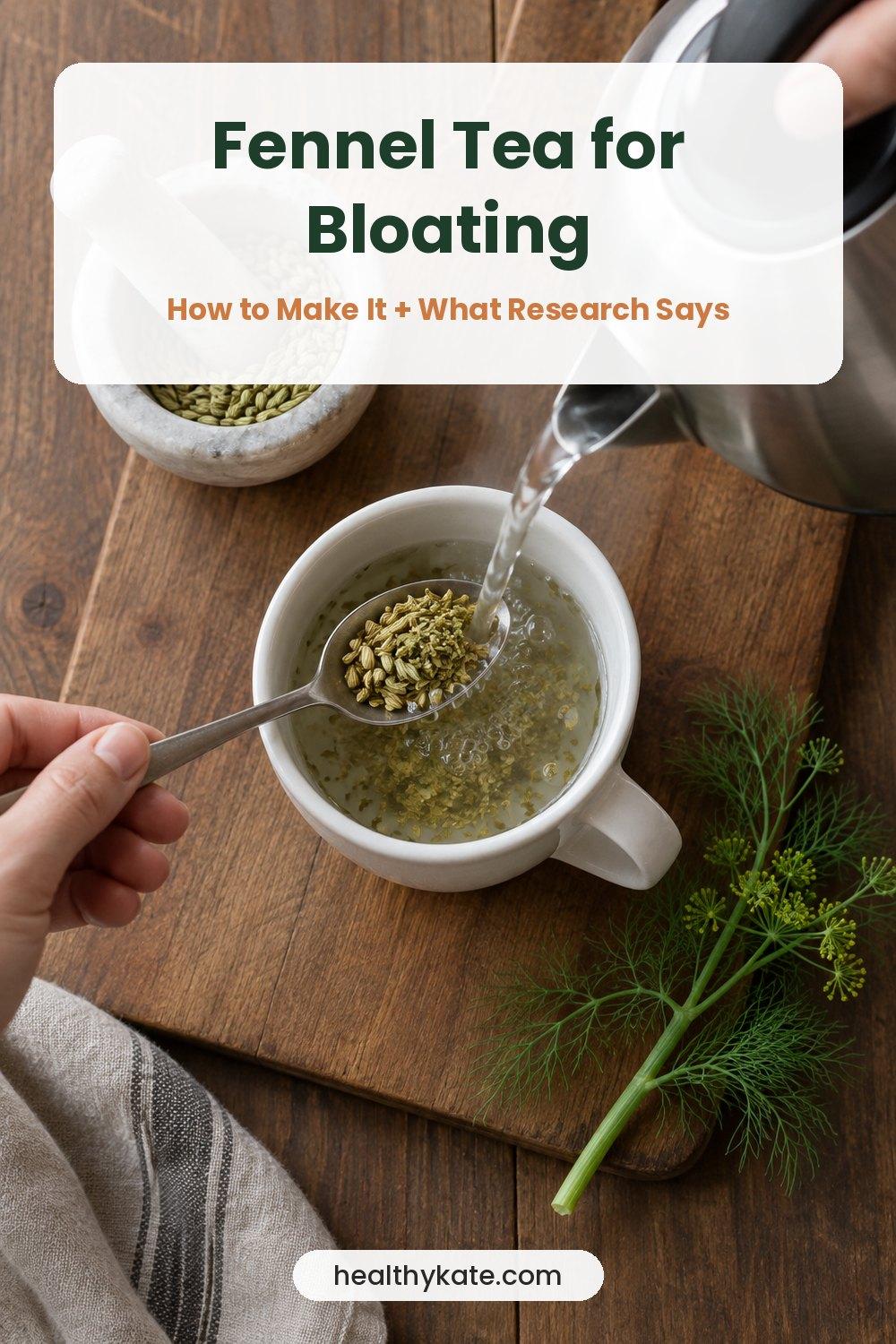
- Crush them lightly. A mortar and pestle is ideal, but the back of a spoon or the flat side of a knife works. Cracked seeds release much more flavor than whole ones.
- Pour over 1 cup of just-boiled water.
- Cover and steep for 10 minutes. Covering keeps the aromatic oils in the cup instead of in your kitchen air.
- Strain and sip slowly.
It tastes mildly sweet and a little like licorice. Strained, a cup is practically calorie-free: a whole teaspoon of the seeds has only about 7 kcal according to USDA data, and most of that stays behind in the strainer.
Recipe
Fennel Seed Tea for Bloating
- Prep:
- 2 min
- Cook:
- 10 min
- Total:
- 12 min
- Serves:
- 1 cup (about 250 ml)
Ingredients
- 1 tsp fennel seeds (about 2 g)
- 1 cup (250 ml) water, just off the boil
- A few fresh mint leaves or a thin slice of ginger, optional
Instructions
- 1Lightly crush the fennel seeds with a mortar and pestle, the flat side of a knife or the back of a spoon.
- 2Put the seeds in a cup or tea infuser and pour over the just-boiled water.
- 3Cover the cup and steep for 10 minutes so the aromatic oils stay in the tea.
- 4Strain and sip slowly while warm.
Approx. under 5 kcal. Nutrition values are estimates.
Variations worth trying
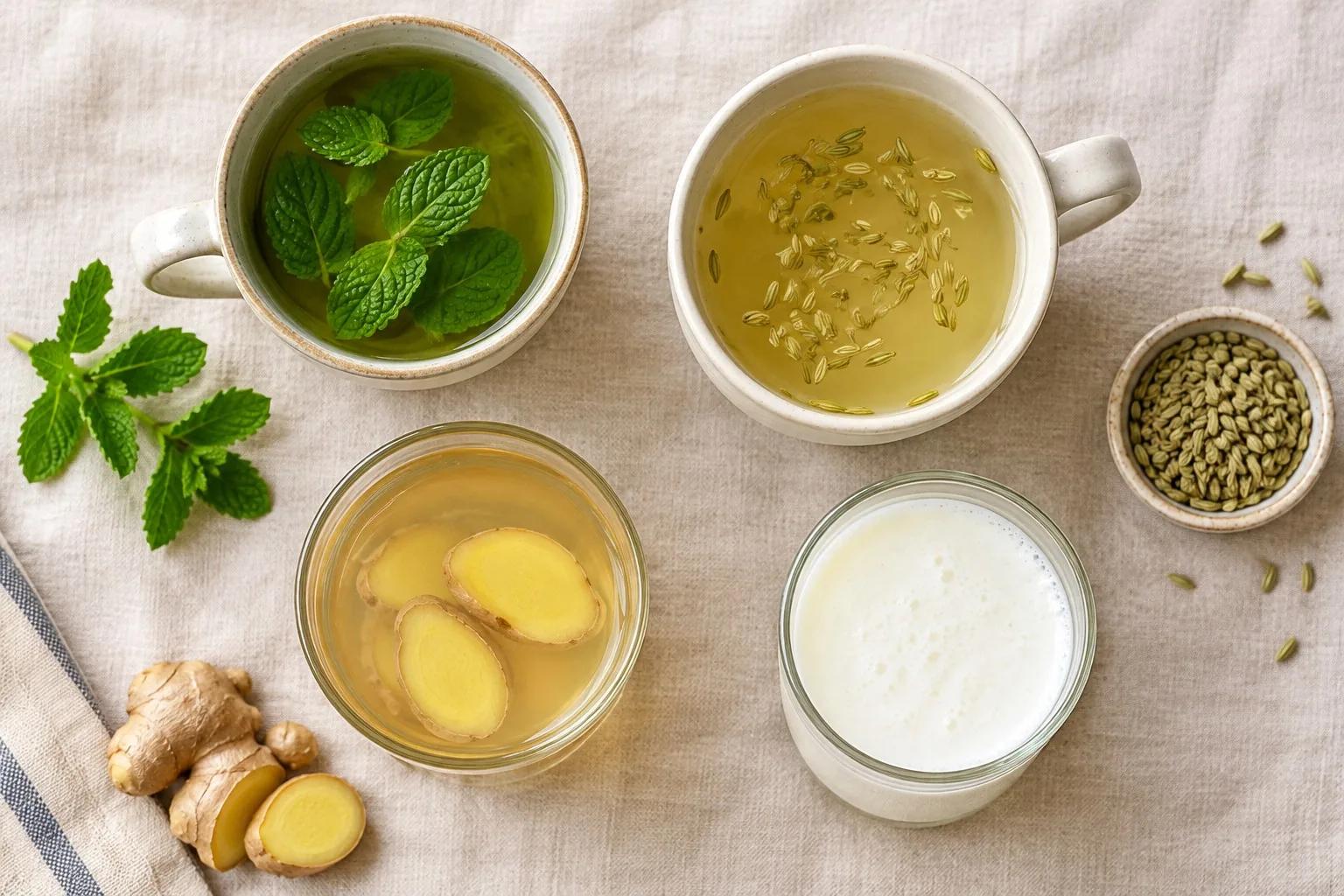
- Fennel + mint: add a few fresh mint leaves for the last 5 minutes. A classic after-dinner combination, unless peppermint gives you heartburn.
- Fennel + ginger: add a thin slice of fresh ginger. If you like that warming note, you may also enjoy a whole mug of spicy homemade ginger water.
- Fennel + chamomile: half a teaspoon of each for a mild bedtime cup.
- Iced fennel tea: brew double strength, cool and pour over ice in summer.
When to drink it
- After meals: the traditional time, especially after a large or rich dinner. Pair it with a gentle stroll after your evening meal, because light movement helps trapped gas move along.
- In the evening: fennel is caffeine-free, so one small cup an hour before bed is fine for most adults.
- Not all day, every day: when used as a remedy, the EMA describes three to four cups a day for no more than 1 to 2 weeks. If you feel you need it daily for longer, that is a sign to look for the cause.
Fennel, peppermint or ginger?
All three are popular for a heavy, bloated feeling, and they suit different people:
- Fennel: mild, slightly sweet, gentle on reflux. Best for after-dinner bloating and gas.
- Peppermint: the best-studied of the three, but mostly as oil capsules for IBS. It can worsen heartburn. Our peppermint tea research for bloating and IBS explains the difference between tea and capsules.
- Ginger: warming and spicy, studied mostly for nausea and stomach emptying. Good if a meal sits heavily.
There is no need to pick a winner. Try one at a time for a few days so you know which one actually helps you.
Who should skip fennel tea
The EMA lists a few precautions for fennel remedies:
- Pregnancy and breastfeeding: not recommended as a general precaution.
- Children under 4: not recommended, because there is not enough safety information.
- Allergies: skip it if you react to fennel or related plants such as celery, carrot, dill or anise.
If you take regular medication or have an ongoing health condition, check with your doctor before drinking it often.
When bloating is more than a tea problem
Fennel tea is for the everyday "I ate too fast" kind of bloating. See a doctor if bloating bothers you often, changes suddenly, or comes with pain, constipation, diarrhea, weight loss you cannot explain, blood in your stool, vomiting or fever. Conditions like IBS, lactose intolerance or celiac disease are common and treatable, but they need a proper diagnosis.
For the everyday side, small habits usually matter more than any single drink: eating more slowly, adding fiber gradually instead of all at once, and the simple food and morning habits that reduce bloating in our step-by-step guide.
More calming drinks
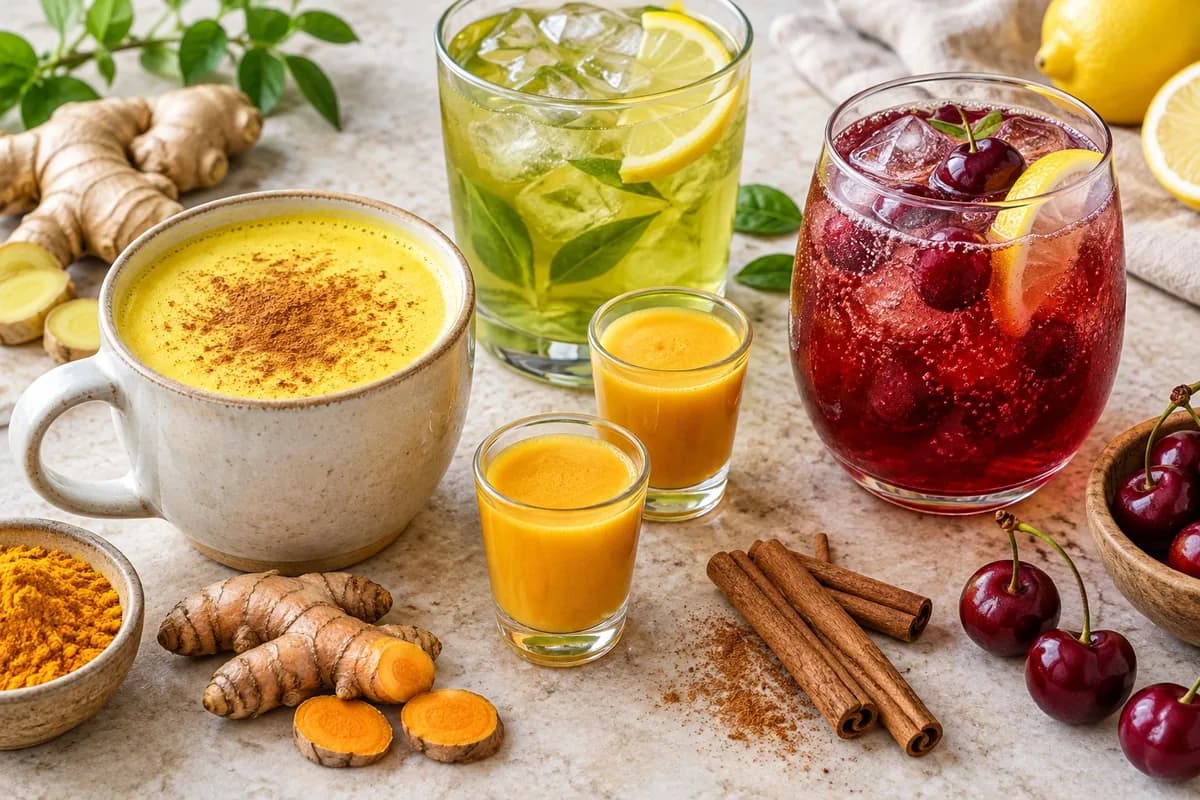
Fennel is one of many gentle drinks for digestion. For a warmer, golden option in the morning, try this 5-minute turmeric water with lemon, and browse the rest of our healthy drinks for hydration and digestion for everyday variety.
The bottom line
Fennel tea is a traditional, gentle remedy for mild bloating and gas, officially recognized as such in the EU, but not backed by strong trials on the tea itself. One teaspoon of crushed seeds, steeped covered for 10 minutes and sipped slowly after a meal, is an easy and low-risk thing to try for a week or two. If bloating keeps coming back, look for the cause with your doctor.
This article is for general information and does not replace medical advice. If bloating is frequent, painful or comes with other symptoms, please talk to your doctor.
FAQ
Fennel Tea Questions
Does fennel tea help with bloating?
It may help with mild, occasional bloating. The European Medicines Agency recognizes sweet fennel as a traditional herbal remedy for mild, spasmodic digestive complaints including bloating and flatulence, based on long use rather than strong clinical trials. Research on fennel tea itself is limited.
How fast does fennel tea work for bloating?
There are no good studies on timing. Many people drink a cup after a meal and notice whether they feel more comfortable within the next hour. If you feel no difference after a few days, fennel may simply not be your fix.
Is fennel tea or peppermint tea better for bloating?
Peppermint has more research, mostly as enteric-coated oil capsules for IBS. Fennel has a long traditional use and is gentler for people with reflux, because peppermint can make heartburn worse. Many people simply like a blend of both.
How many cups of fennel tea a day is safe?
For adults, the EMA describes fennel teas taken three to four times a day for no longer than one to two weeks when used as a remedy. If you need it for longer than that, talk to your doctor about what is causing the bloating.
Can I drink fennel tea before bed?
Yes. Fennel tea is naturally caffeine-free, so one small cup in the evening is fine for most adults. Drink it an hour or so before bed so you are not up at night for the bathroom.
Who should not drink fennel tea?
As a precaution, fennel remedies are not recommended during pregnancy or breastfeeding, for children under 4, or for anyone allergic to fennel or related plants like celery, carrot or anise. Check with your doctor if you take regular medication.
Sources
We check health claims against research summaries and official fact sheets. Links open the original source.
- Foeniculi dulcis fructus (sweet fennel) - herbal medicinal product · European Medicines Agency, 2024
- Symptoms & Causes of Gas in the Digestive Tract · National Institute of Diabetes and Digestive and Kidney Diseases (NIH), 2026
- Curcumin and Fennel Essential Oil Improve Symptoms and Quality of Life in Patients with Irritable Bowel Syndrome · Journal of Gastrointestinal and Liver Diseases (Portincasa et al.), 2016
- Foeniculum vulgare Mill: A Review of Its Botany, Phytochemistry, Pharmacology, Contemporary Application, and Toxicology · BioMed Research International (Badgujar et al.), 2014
- Spices, fennel seed (SR Legacy, FDC ID 171323) · USDA FoodData Central, 2019