8 Drinks for Bloating and Gas (and 4 That Make It Worse)
When your belly feels tight, a warm, still, unsweetened drink is usually the best bet. Here are eight drinks for bloating and gas, from peppermint tea to kefir, plus the four common drinks that often make it worse.
By KateLast reviewed
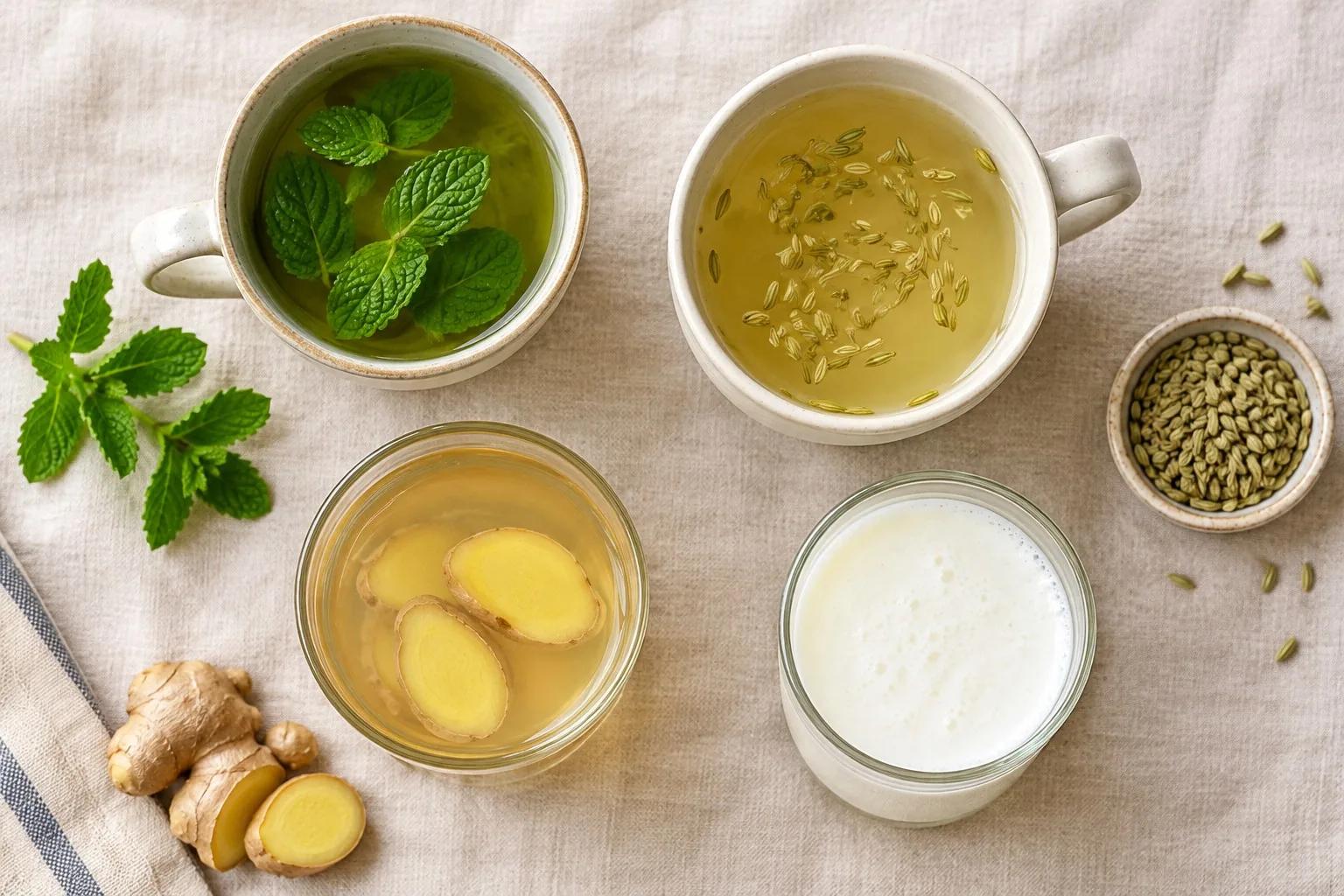
The best drinks for bloating are warm, still and unsweetened: peppermint tea, ginger water, fennel tea and plain warm water top the list. Just as important is what you leave out, because fizzy drinks, straws and sugar-free sodas are some of the most common reasons a belly feels tight in the first place.
No drink is a cure, and if bloating happens often, it is worth finding the cause. But for the everyday "I ate too fast and now my jeans hate me" feeling, these eight drinks are a gentle place to start.
Why some drinks help and others hurt
Most everyday bloating comes from two sources, according to the NIH digestive health institute (NIDDK):
- Swallowed air. You swallow more air when you drink fizzy drinks, drink through a straw, gulp quickly or chew gum.
- Gas from gut bacteria. Carbohydrates your small intestine does not fully digest, such as some fibers, fructose, lactose and sugar alcohols, are fermented further down, which makes gas.
So a good drink for bloating does three things: it is still (no bubbles), it is sipped slowly, and it does not bring in a big load of the carbs that ferment easily. Warmth is a bonus that many people simply find soothing.
1. Peppermint tea
The classic. Peppermint has been used for digestive complaints since ancient times, and in a 2022 review of 10 studies, enteric-coated peppermint oil capsules eased overall IBS symptoms and belly pain better than a placebo. Peppermint leaf tea is much weaker and has hardly been studied, but many people find a cup after dinner comforting.
How: steep 1 tea bag or a small handful of fresh leaves in hot water for 5 to 7 minutes.
Skip it if you have heartburn or reflux, because peppermint can make it worse. Our deep dive on peppermint tea for bloating and IBS covers the research in more detail.
2. Ginger water
Ginger has been used for indigestion for centuries, and in a small study it helped the stomach empty faster. That is one reason it feels good after a heavy meal. A warm mug is mild enough to sip slowly.
How: simmer a 1-inch piece of sliced fresh ginger in 2 cups of water for 10 minutes. Here is our full ginger water recipe with fresh or ground ginger, including the lemon version.
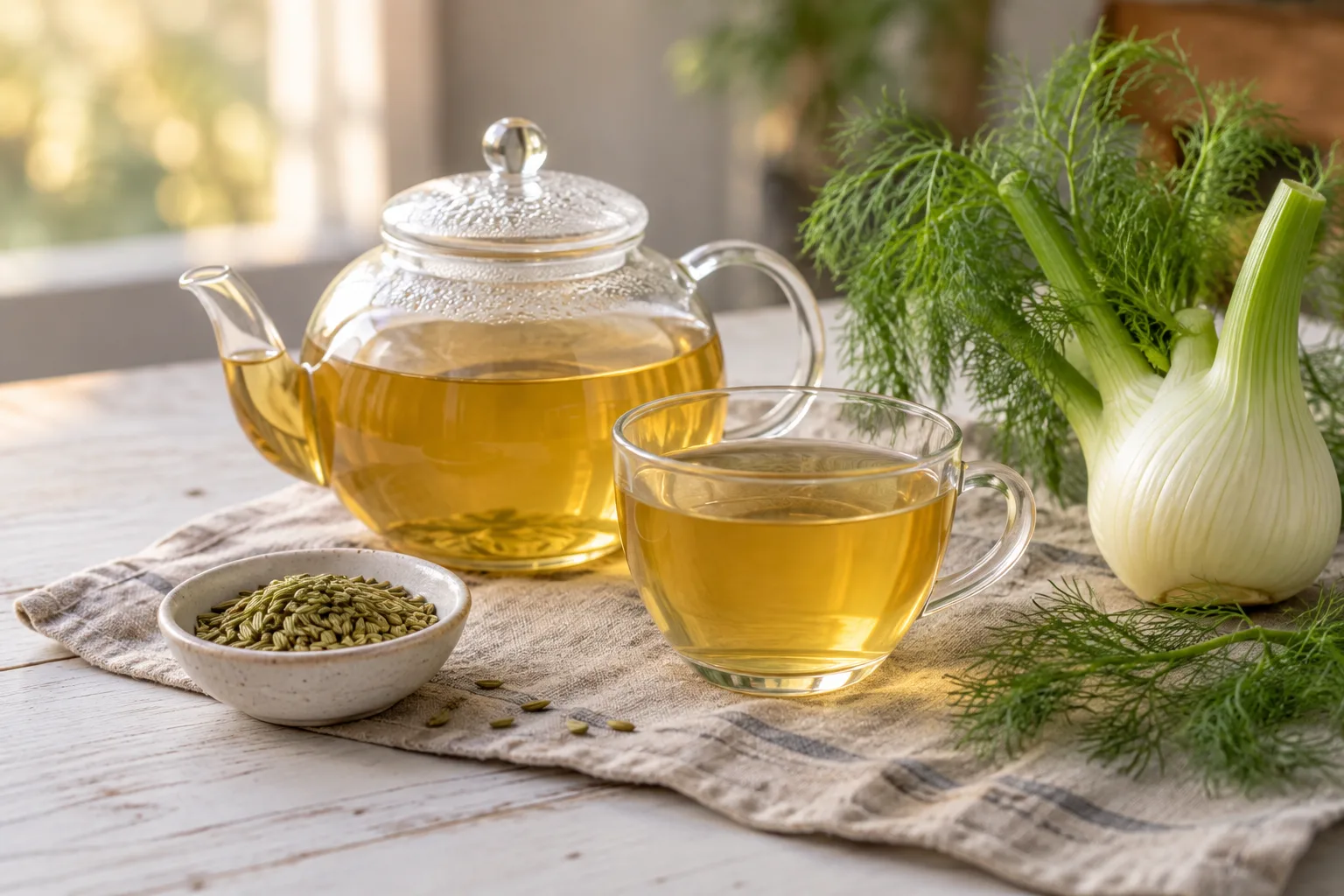
3. Fennel tea
Fennel seeds are a traditional after-meal digestive in many cultures, from the spoonful of fennel seeds many Indian restaurants offer after a meal to the fennel tea found in almost every German kitchen. Research on fennel tea in adults is limited, so treat it as a pleasant tradition rather than a proven remedy.
How: lightly crush 1 teaspoon fennel seeds, pour over 1 cup of hot water and steep for 10 minutes. It tastes mildly sweet, like licorice. Timing, variations and who should skip it are in our full guide to fennel tea for bloating and gas.
4. Warm water (with or without lemon)
Not exciting, but useful. Constipation is one of the most common causes of bloating, and too little fluid makes it more likely, especially if you have recently added more fiber. Warm water is easy to sip slowly.
A thin slice of lemon is fine if you like it. Lemon is acidic, so rinse your mouth with plain water afterwards to protect your teeth.
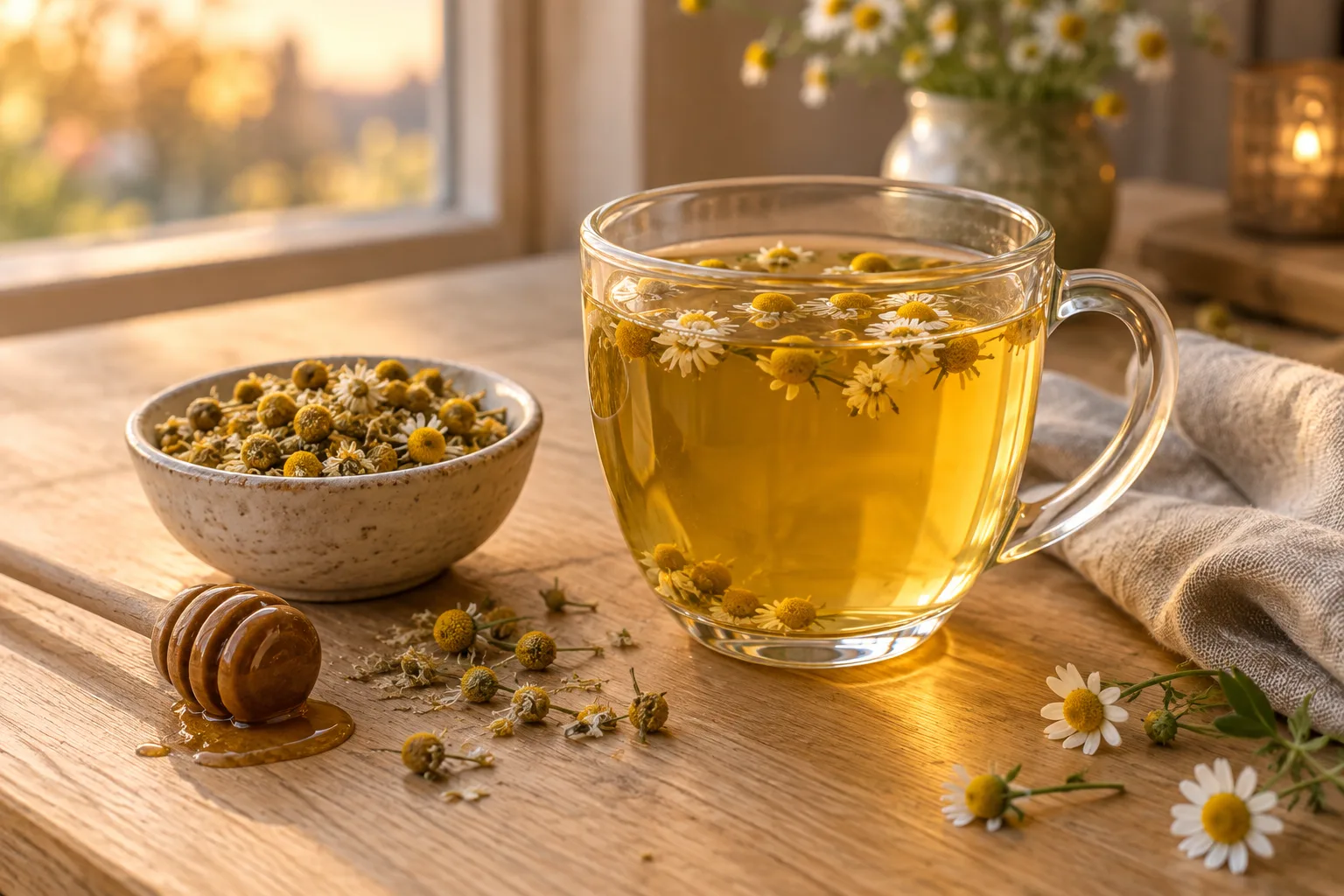
5. Chamomile tea
Chamomile is caffeine-free and gentle, which makes it a good evening option when bloating and a busy mind keep you up. It has not been studied much for bloating specifically, but it is one of the mildest teas you can drink.
6. Kefir (small glass)
This one surprises people. Kefir is fermented milk, and the bacteria in it break down a lot of the lactose. In a study of adults with lactose maldigestion, plain kefir and yogurt cut perceived flatulence by 54 to 71% compared with the same amount of lactose from milk.
How: start with a small glass (about 1/2 cup) of plain, unsweetened kefir with a meal. Flavored versions often have a lot of added sugar. If you want more fermented options, see our guide to probiotic and prebiotic foods for a happy gut.
Skip it if you are very sensitive to dairy or have been told to avoid lactose completely.
7. Cucumber water
Cucumber is about 95% water, mild and low in the carbs that ferment easily. A cold pitcher makes it easier to drink enough during the day, which supports regular digestion. Try our spa-style cucumber pitcher with lemon and mint for an easy version.
8. A small, unsweetened green smoothie (only if fiber agrees with you)
Here is the honest caveat: fiber is great for long-term gut health and regularity, but a big jump in fiber can cause more gas at first. If you tolerate it, a small smoothie with spinach, cucumber and a little fruit is a gentle way to add some. If fiber is your trigger, choose one of the teas above instead and increase fiber slowly over a few weeks.

4 drinks that often make bloating worse
- Fizzy drinks: soda, sparkling water, beer and kombucha add gas directly. If you love bubbles, let them go a bit flat or switch to still water on bloated days.
- Sugar-free drinks with sugar alcohols: look for ingredients ending in "-ol" (sorbitol, xylitol, erythritol, maltitol). They are poorly absorbed and can ferment in the gut.
- Large glasses of juice: apple and pear juice in particular are high in fructose, which some people do not absorb well.
- Big milky drinks if you are lactose sensitive: a large latte can be a hidden trigger. Try a smaller size, lactose-free milk or a plant milk.
And one habit: drinking through a straw. It makes you swallow more air. Put the straw away for a week and see if it makes a difference.
What to drink morning to night
- Morning: a glass of warm water or ginger water before or with breakfast
- With lunch: still water, sipped slowly rather than gulped
- After dinner: a cup of peppermint or fennel tea, plus an easy 10-minute stroll after dinner if you can, because gentle movement helps gas move along
- Before bed: one small cup of chamomile or fennel tea; skip peppermint if you get reflux at night
Drinks are only part of the picture
If bloating is a regular guest, look at the bigger pattern: how fast you eat, which foods trigger it, how much you move and whether you are regular. Our guide on how to reduce bloating with food and morning habits walks through the most common fixes, and the ten healthy drinks besides water in our drinks hub give you more variety for every day.
When to see a doctor
Some bloating, belching and gas is completely normal, especially after meals. NIDDK advises talking to a doctor if:
- gas or bloating bothers you often or affects your daily life
- your symptoms change suddenly
- bloating comes with abdominal pain, constipation, diarrhea or weight loss you cannot explain
Also see a doctor promptly if you notice blood in your stool, vomiting, fever or bloating that keeps getting worse. Conditions such as IBS, lactose or fructose intolerance and celiac disease are common and treatable, but they need a proper diagnosis, not just tea.
The bottom line
On a bloated day, choose still, warm and unsweetened: peppermint tea (unless you have reflux), ginger water, fennel or chamomile tea, or plain warm water, sipped slowly without a straw. A small glass of kefir can help if lactose is a problem for you. And skip the bubbles and sugar-free sodas until you feel better.
This article is for general information and does not replace medical advice. If bloating is frequent, painful or comes with other symptoms, please talk to your doctor.
FAQ
Drinks for Bloating: Your Questions
What is the best drink for bloating and gas?
There is no single best drink, but warm, still and unsweetened drinks are the safest bet. Peppermint tea, ginger water and plain warm water are popular choices. Equally important is skipping fizzy drinks, drinking through a straw and sugar-free drinks sweetened with sugar alcohols, which can add gas.
What can I drink before bed for bloating?
A small cup of caffeine-free herbal tea such as peppermint, chamomile or fennel, or a mug of warm ginger water. Keep it to about one cup so you do not wake up at night, and skip peppermint if you get heartburn when you lie down.
Does drinking water help with bloating?
It can. Too little fluid makes constipation more likely, and constipation is a common cause of bloating, especially when you eat more fiber. Sip water through the day instead of drinking a lot at once with meals.
Is coffee bad for bloating?
It depends. Coffee gets the gut moving, which helps some people, but it can upset a sensitive stomach for others. Large milky coffees can be a problem if you are sensitive to lactose. Watch how you feel after a small black coffee.
Does apple cider vinegar help with bloating?
There is no good evidence that apple cider vinegar relieves bloating. It is acidic and can irritate the throat and teeth, so if you try it, always dilute it well and drink it with a meal.
When should I see a doctor about bloating?
Talk to your doctor if bloating bothers you often, changes suddenly, or comes with pain, constipation, diarrhea, weight loss, blood in your stool or vomiting. Persistent bloating can have medical causes such as IBS, lactose intolerance or celiac disease.
Sources
We check health claims against research summaries and official fact sheets. Links open the original source.
- Symptoms & Causes of Gas in the Digestive Tract · National Institute of Diabetes and Digestive and Kidney Diseases (NIH), 2026
- Treatment for Gas in the Digestive Tract · National Institute of Diabetes and Digestive and Kidney Diseases (NIH), 2026
- Peppermint Oil: Usefulness and Safety · National Center for Complementary and Integrative Health (NIH), 2026
- Ginger: Usefulness and Safety · National Center for Complementary and Integrative Health (NIH), 2026
- Kefir improves lactose digestion and tolerance in adults with lactose maldigestion · Journal of the American Dietetic Association (Hertzler & Clancy), 2003