5 Insulin-Supporting Habits for Steady Energy
Small daily habits can support steadier energy and healthier blood sugar patterns. Start with protein, walking after meals, fiber-rich carbs, strength training, and sleep.
By KateLast reviewed
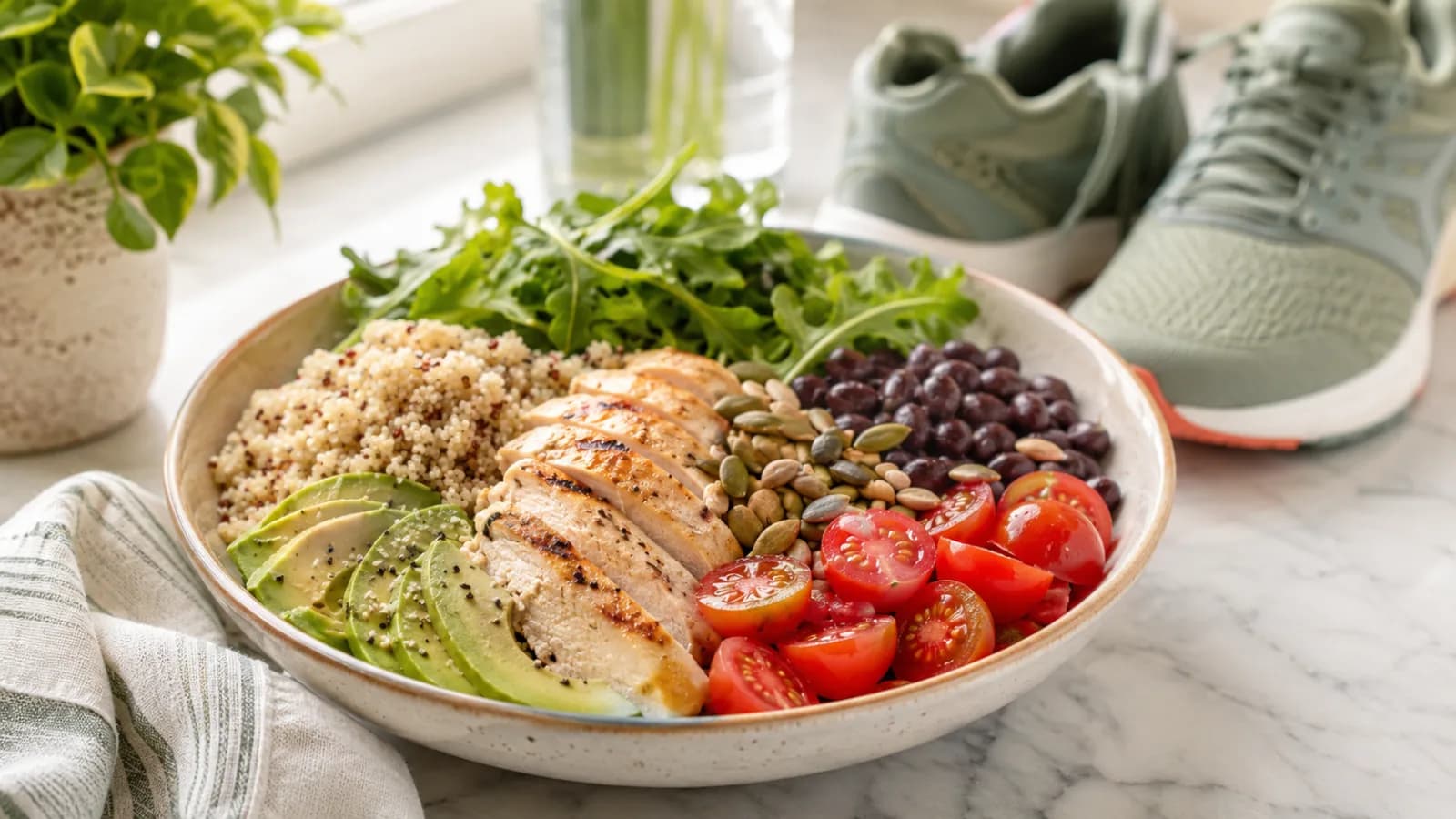
Steady energy is not only about willpower.
It is also about your daily habits.
What you eat, how you move, how you sleep, and how consistent your routine feels can all influence how your body manages energy throughout the day.
One important part of that picture is insulin.
Insulin is a hormone that helps move glucose from your blood into your cells, where it can be used for energy.
When your body becomes less sensitive to insulin, it may have to work harder to keep blood sugar in a healthy range.
That does not mean every energy crash or craving is an insulin problem.
But it does mean that insulin-supporting habits can be a smart part of an everyday wellness routine.
Here are five simple habits that can help support steadier energy.
1. Eat protein first
Starting meals with protein can help make your meal feel more satisfying.
Protein supports muscle, fullness, and recovery, and it can help you avoid meals that are mostly quick-digesting carbohydrates.
This does not mean you need to avoid carbs.
It means your meals may feel steadier when protein is part of the foundation.
Simple protein options include:
- eggs
- Greek yogurt
- chicken
- fish
- turkey
- tofu
- tempeh
- lentils
- beans
- cottage cheese
- protein smoothies
- lean beef
A protein-first breakfast can be especially helpful if you tend to feel hungry or tired soon after eating.
Examples:
- Greek yogurt with berries and seeds
- eggs with avocado toast
- cottage cheese with fruit
- tofu scramble with vegetables
- protein oatmeal
- smoothie with protein and fiber
The goal is not perfection.
The goal is to make your first meal more balanced. These morning habits for steady blood sugar can help you build that start.
2. Walk after meals
A short walk after meals is one of the simplest habits you can build.
You do not need a long workout.
Even a 10 to 15 minute walk can be a realistic place to start.
Movement helps your muscles use glucose for energy, and physical activity can improve insulin sensitivity.
That means your body can use insulin more effectively.
This is one reason after-meal walking is often discussed for blood sugar support.
Try:
- a walk after breakfast
- a walk after lunch
- a short evening walk
- walking while taking a phone call
- a slow walk around the block
- a few minutes of gentle movement after dinner
If you cannot walk outside, try light indoor movement.
The important part is making it easy enough to repeat.
A short walk you actually do is more useful than a perfect workout plan you keep delaying. A 10-minute after-dinner walk is an easy way to begin.
3. Choose fiber-rich carbs
Carbohydrates are not the enemy.
But the type of carbohydrate matters.
Fiber-rich carbohydrates digest more slowly and can help meals feel more satisfying.
They are also more supportive than highly processed, low-fiber carbs that are easy to overeat and may leave you hungry again quickly.
Good fiber-rich carb options include:
- beans
- lentils
- chickpeas
- oats
- quinoa
- berries
- apples
- sweet potatoes
- whole grains
- vegetables
- chia seeds
- flaxseed
Instead of cutting out carbs completely, try upgrading them.
Examples:
- white bread → whole-grain bread
- sugary cereal → oats with Greek yogurt and berries
- chips → roasted chickpeas
- white rice only → rice with beans and vegetables
- sweet snack → fruit with yogurt or nuts
You can still enjoy carbs.
Just build meals that include protein, fiber, and healthy fats so they feel more stable. For ideas, try these protein and fiber combos that keep you full longer.
4. Strength train weekly
Strength training is one of the most powerful habits for long-term metabolic health.
Muscle is active tissue.
It uses glucose and supports strength, mobility, and healthy aging.
Building or maintaining muscle can support better insulin sensitivity over time.
Strength training does not have to mean intense bodybuilding.
It can include:
- dumbbells
- resistance bands
- machines
- bodyweight exercises
- kettlebells
- Pilates-style strength
- structured home workouts
Start with two sessions per week if you are new.
Focus on basic movements:
- squats or chair sits
- rows
- presses
- hip hinges
- lunges
- step-ups
- core stability
The goal is to challenge your muscles safely and consistently.
If you are unsure where to start, working with a qualified trainer or physical therapist can help.
5. Sleep 7 to 9 hours when possible
Sleep is often overlooked in blood sugar and energy conversations.
But poor sleep can make cravings stronger, energy lower, and consistency harder.
When you are tired, everything feels heavier.
Meal prep feels harder.
Exercise feels harder.
Stress feels bigger.
Cravings can feel louder.
A realistic sleep routine can support your energy and help the rest of your habits become easier to keep.
Simple sleep-supporting habits:
- keep a consistent wake time
- get morning light
- reduce caffeine later in the day
- dim lights at night
- limit screens before bed
- keep your bedroom cool
- create a short wind-down routine
- avoid very heavy meals right before bed
You do not need a perfect sleep routine.
Start with one habit that feels easiest.
For many people, that might be a consistent wake time or putting the phone away before bed. More ideas are in our guide to sleep habits for women over 40.
Extra tips to support insulin sensitivity
The five habits above are the foundation, but a few extra habits can help too.
Stay hydrated
Hydration supports normal body function and can help you feel more alert.
Start with water throughout the day.
If you sweat a lot, exercise hard, or are in hot weather, electrolytes may matter too.
Limit added sugars
You do not need to avoid sugar forever.
But if sugary drinks, candy, pastries, or sweet snacks are daily staples, reducing them can support steadier energy.
Start with the easiest swap.
For example:
- soda → sparkling water
- sweet coffee drink → less sweet version
- candy snack → Greek yogurt with berries
- pastry breakfast → eggs or protein oatmeal
Add cinnamon to meals if you enjoy it
Cinnamon can add flavor without extra sugar.
It works well in oatmeal, yogurt bowls, smoothies, coffee, and baked apples.
Think of it as a flavor habit, not a treatment.
Get natural sunlight daily
Morning light can support your circadian rhythm.
That can make it easier to sleep at night and feel more awake during the day.
Even a short walk outside can help.
Manage stress in realistic ways
Stress can affect cravings, sleep, appetite, and consistency.
Simple tools can help:
- breathing breaks
- walking
- journaling
- stretching
- calming music
- fewer evening screens
- preparing meals ahead
- saying no more often
Stress support does not need to be dramatic.
It just needs to be repeatable.
Why steady energy matters
Steady energy makes healthy habits easier.
When energy is stable, it is easier to cook.
Easier to walk.
Easier to train.
Easier to choose balanced meals.
Easier to avoid the “I already ruined the day” mindset.
That is why insulin-supporting habits are not only about numbers.
They are about making your daily routine feel easier to keep.
When to speak with a healthcare professional
If you are worried about blood sugar, insulin resistance, diabetes, or prediabetes, it is important to get proper testing.
Speak with a healthcare professional if you notice:
- frequent thirst
- frequent urination
- blurry vision
- unusual fatigue
- unexplained weight changes
- slow-healing wounds
- numbness or tingling
- strong family history of diabetes
- symptoms that feel concerning
Also speak with a professional before making major diet changes if you take diabetes medication, blood pressure medication, or have a medical condition.
Food and lifestyle habits can help, but they should not replace medical care when it is needed.
FAQ
Insulin Sensitivity Questions
What is insulin sensitivity?
Insulin sensitivity describes how well your cells respond to insulin, the hormone that helps move glucose from the blood into cells. When sensitivity is lower, the body may need more insulin to keep blood sugar in a healthy range.
Does walking after meals help blood sugar?
Research suggests that even a short walk after eating can help muscles use glucose and may soften the rise in blood sugar after a meal. A 10 to 15 minute walk is a realistic place to start.
How quickly can lifestyle habits affect insulin sensitivity?
Some effects of physical activity can appear within hours or days, while changes from strength training, sleep, and eating patterns tend to build over weeks and months. Consistency matters more than any single day.
Should I get tested if I am worried about insulin resistance?
Yes. Only proper testing, such as fasting glucose or HbA1c ordered by a doctor, can show where you stand. Talk to your doctor before changing your diet if you take diabetes or blood pressure medication.
The bottom line
Insulin-supporting habits do not need to be extreme.
Start with simple daily actions:
Eat protein first.
Walk after meals.
Choose fiber-rich carbs.
Strength train weekly.
Sleep 7 to 9 hours when possible.
Small habits can make your routine feel steadier.
And the best routine is usually the one you can repeat.
Not sure what wellness routine fits your body best?
Different people struggle with different patterns.
For some, the issue is cravings.
For others, it is low energy, blood sugar swings, digestion, bloating, snacking, stubborn weight, poor sleep, or not having a routine that feels realistic.
Take the free quiz to find the weight-loss routine that fits your body.
This article is for general information and does not replace medical advice. Talk to your doctor before making changes, especially if you have a health condition or take medication.