7-Day Simple Keto Reset: Easy Meals, No Stress
A simple 7-day keto reset for beginners with easy meals, low-carb habits, hydration tips, keto-friendly recipes, and realistic weight-support routines.
By KateLast reviewed
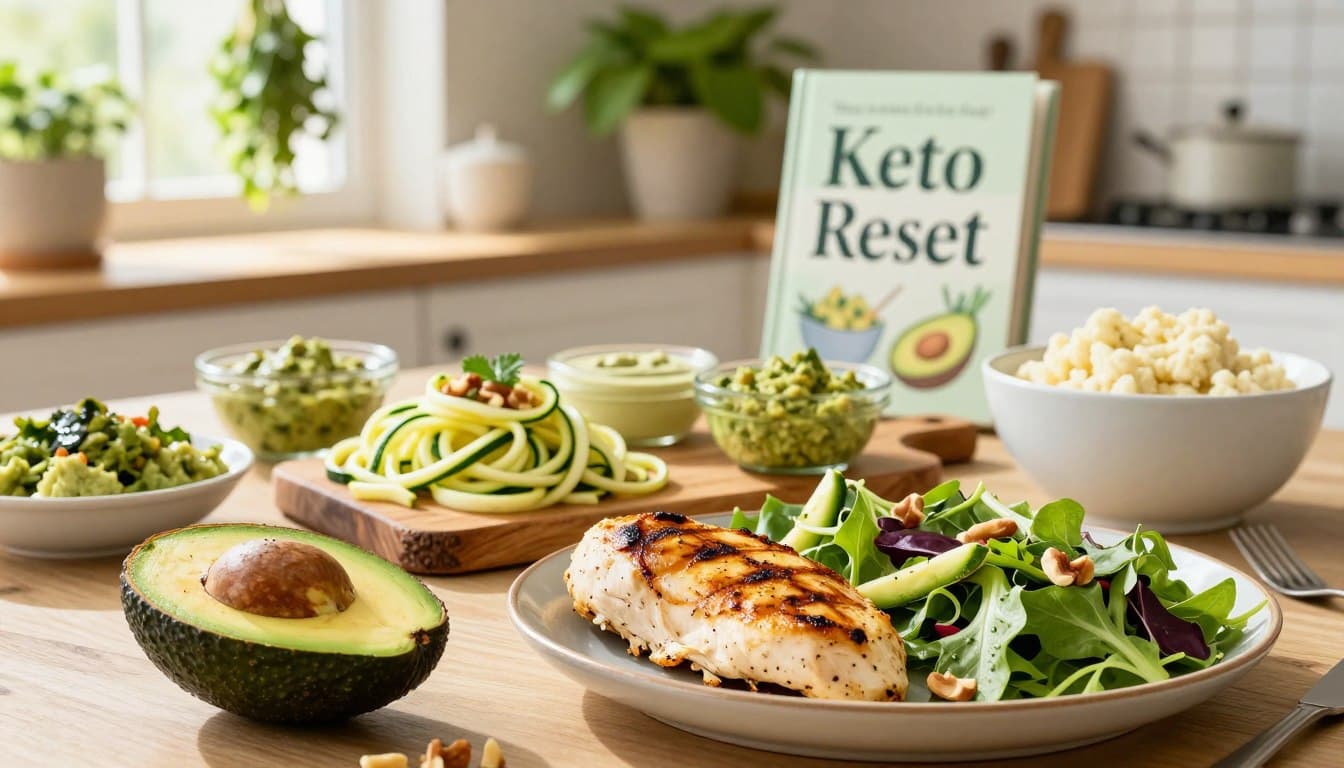
If I were starting a keto reset from scratch, I would not make it complicated. I would not begin with extreme rules, endless macro tracking, or recipes that require a full afternoon in the kitchen. I would start with one simple goal: make the next 7 days easier to follow than another stressful diet plan.
The simple version of this 7-day keto reset.
A keto reset works best when it removes confusion instead of adding more pressure. The goal is to build a low-carb lifestyle foundation with simple meals, steady hydration, realistic planning, and enough structure to keep you from guessing every day.
- Focus on simple whole-food ingredients to minimize kitchen stress.
- Follow a structured 7-day plan to avoid common low-carb pitfalls.
- Prioritize easy keto-friendly meals that support energy and fullness.
- Use hydration and electrolytes to make the transition feel smoother.
- Think of this as a habit reset, not a punishment or starvation plan.
Understanding the fundamentals of a keto reset.
A keto reset is a short, structured period where you reduce carbohydrates and focus on meals built around protein, healthy fats, and low-carb vegetables. The idea is to help your body move away from relying mostly on quick glucose from carbs and toward a steadier fuel rhythm.
That does not mean you have to make the week extreme. In fact, I think most beginners do better when they make the reset simple. You can build a clear plan around eggs, avocado, chicken, salmon, leafy greens, olive oil, nuts, seeds, cucumber, zucchini, asparagus, and other easy low-carb staples.
The real benefit of a reset is not just what happens in seven days. It is what you learn about your cravings, your meal timing, your energy, and the kind of routine you can actually repeat.
What happens to your body during ketosis?
When you significantly reduce carbohydrate intake, your body has less glucose available as quick fuel. Over time, the body can begin producing ketones from fat, which can be used as an alternative energy source. This metabolic state is called ketosis.
Many people explore a ketogenic diet because they want more stable energy, fewer cravings, and support for weight-management habits. But I would be careful with dramatic claims. Keto is not magic. It still works best when your meals are nutrient-dense, satisfying, and consistent.
The point of a 7-day keto reset is not to chase perfection. It is to create a short window where your food choices are clear enough that you can feel what happens when refined carbs, sugar, and constant snacking are reduced.
- Keep refined carbs and sugar low.
- Eat enough protein to support fullness.
- Add healthy fats instead of trying to survive on tiny meals.
- Use low-carb vegetables for fiber, volume, and micronutrients.
- Pay attention to energy, hunger, cravings, sleep, and digestion.
Preparing your kitchen for success.

A well-organized kitchen can make your keto reset dramatically easier. If your pantry is filled with sugary snacks, sauces, crackers, cereal, and convenience foods, every day becomes a negotiation. If your kitchen is stocked with simple low-carb staples, the healthier choice becomes easier.
Before day one, I would take 20 minutes to clear the foods that make the reset harder. You do not have to throw everything away if you live with other people, but you can move tempting items out of sight and make your reset foods easy to reach.
This is also where meal planning becomes powerful. You do not need a complicated meal plan. You need a short list of meals that you can repeat without thinking too much.
- Proteins: eggs, chicken, salmon, turkey, tuna, tofu, or lean beef.
- Healthy fats: avocado, olive oil, avocado oil, nuts, seeds, and olives.
- Low-carb vegetables: spinach, broccoli, asparagus, zucchini, cucumber, cauliflower, and leafy greens.
- Flavor helpers: lemon, herbs, garlic, sea salt, pepper, chili flakes, mustard, and vinegar.
- Simple drinks: water, sparkling water, unsweetened tea, lemon water, cucumber water, or mint water.
Removing hidden sugars and processed foods.
One of the easiest ways to accidentally sabotage a keto reset is to ignore sauces, dressings, flavored yogurts, coffee creamers, snack bars, and packaged foods. Many of these can contain added sugars or refined ingredients that do not fit the goal of the reset.
I would read labels before the week starts. Not obsessively, but enough to know what is actually in your food. The more simple the ingredient list, the easier this gets.
This is why whole-food meals are so useful during the first week. Eggs with avocado are easy to understand. Salmon with asparagus is easy to understand. Chicken salad with olive oil dressing is easy to understand. The fewer hidden ingredients, the less guessing you have to do.
Day one through day three: the transition phase.
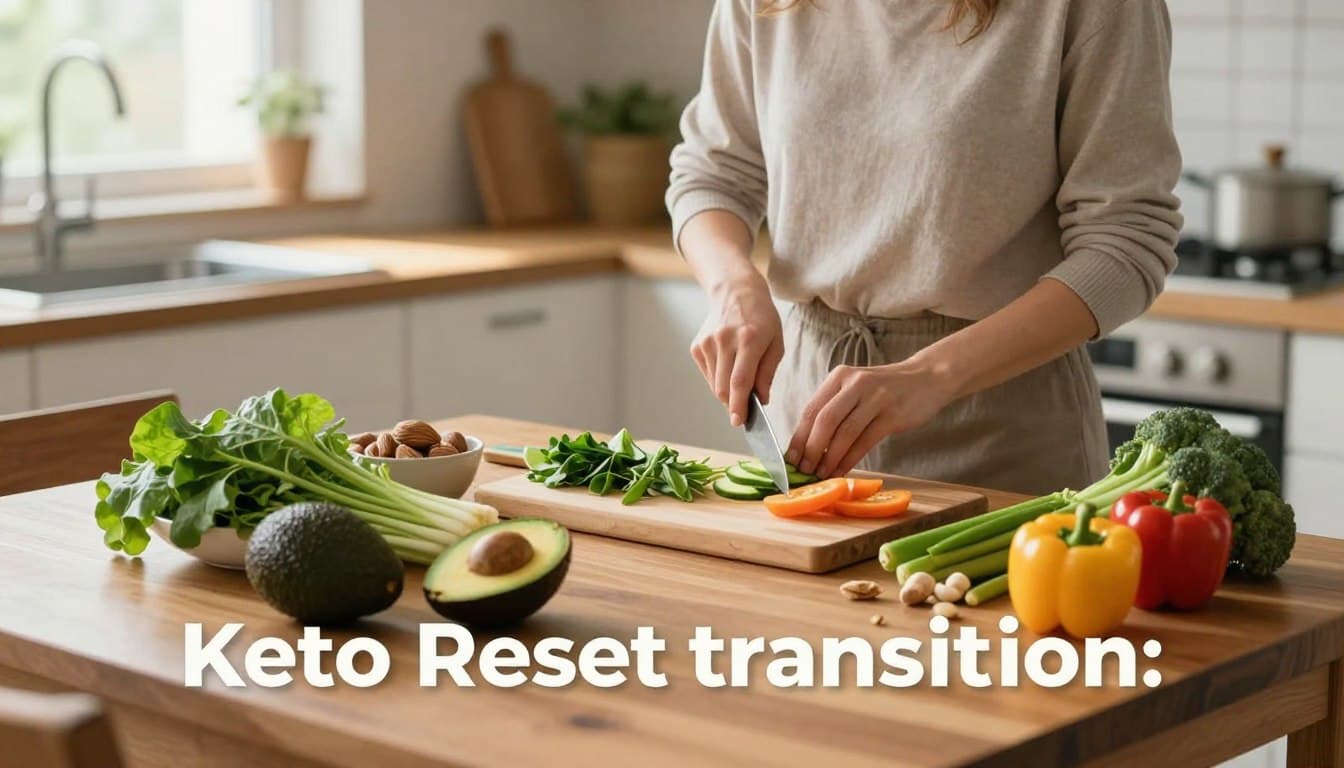
The first three days are usually the most important part of the keto reset. This is when your normal food rhythm changes, your snack habits become obvious, and your body starts adjusting to lower carb intake.
Some people feel great right away. Others feel tired, foggy, or more snacky than usual. I would not panic if that happens. Often, the first adjustment is simply making sure you are eating enough real food, drinking enough water, and getting enough minerals.
During this transition phase, I would keep meals extremely simple. This is not the time to test complicated recipes. It is the time to repeat easy meals that help you stay full and calm.
- Start your morning with water before coffee or breakfast.
- Choose a protein-rich first meal, such as eggs with avocado or Greek yogurt with chia seeds if dairy fits your plan.
- Build lunch around protein, greens, and a healthy fat source.
- Keep dinner simple with one protein and one or two low-carb vegetables.
- Add light movement, such as a short walk, if your energy allows it.
Citrus-Based Weight Support
If appetite, cravings, and daily follow-through are the hardest part for you, the CitrusBurn guide explains a citrus-based 5-signal routine built around appetite, cravings, energy, thermogenesis, and metabolic balance.
Managing potential keto flu symptoms.
Some people experience temporary symptoms when they reduce carbs quickly. This is often called the keto flu. It can feel like fatigue, headaches, brain fog, irritability, or low energy.
The first thing I would check is hydration. When carb intake drops, your body can release water, and that can also affect minerals like sodium, potassium, and magnesium. This is one reason hydration matters so much during a keto reset.
You do not need to overcomplicate this. Drink water consistently, eat mineral-rich whole foods, salt your meals appropriately if it is safe for you, and do not undereat. Low-carb electrolyte foods for hydration and steady energy, like avocado and leafy greens, are an easy place to start. If you have blood pressure concerns, kidney concerns, take medication, or have a medical condition, speak with a healthcare professional before changing sodium or electrolyte intake.
Day four through day seven: finding your rhythm.

By day four, the reset usually starts to feel more predictable. You know which meals are easy. You know which cravings show up. You know what time of day feels hardest.
This is where I would stop trying to be perfect and start paying attention. What breakfast keeps you full? What dinner is easiest to repeat? Do you snack because you are hungry, stressed, tired, or bored?
The second half of the reset is about building a rhythm you can learn from. Maybe strict keto is not something you want forever, but the habits you discover during the reset can still be useful.
- Repeat meals that worked during the first three days.
- Add more low-carb vegetables for variety and fiber.
- Use one-pan dinners to reduce stress and cleanup.
- Track energy, cravings, digestion, and sleep quality.
- Notice which habits you would actually keep after the reset.
Diversifying your low-carb vegetable intake.
One mistake I see with keto-style eating is making meals too heavy and forgetting vegetables. Low-carb vegetables help add fiber, texture, volume, and micronutrients. They also make meals feel fresher and more satisfying.
I would rotate vegetables throughout the week instead of eating the same salad every day. Try asparagus, spinach, cucumber, broccoli, cauliflower, zucchini, bell pepper, mushrooms, arugula, or cabbage.
You can roast them, sauté them, add them to egg muffins, use them as salad bases, or pair them with simple proteins. This keeps the reset from feeling repetitive.
Easy keto-friendly recipes for busy schedules.
Busy schedules can derail healthy eating fast. That is why I would build this reset around easy keto-friendly recipes you can repeat. The goal is not to cook like a chef. The goal is to make meals so simple that takeout does not feel like the only option.
Here are the kinds of meals I would keep in rotation during the week, plus a Mediterranean salmon and avocado salad or a low-carb chicken and avocado salad when you want a full recipe.
- Quick morning egg muffins with spinach, cheese, and herbs.
- Scrambled eggs with avocado and cucumber slices.
- Sheet-pan salmon with asparagus or broccoli.
- Chicken salad with olive oil dressing, leafy greens, and pumpkin seeds.
- Tuna lettuce wraps with avocado and herbs.
- Zucchini noodle stir-fry with chicken, garlic, and olive oil.
- Turkey burger patties with cauliflower rice and sautéed greens.
A simple 7-day keto reset structure.
You can adjust this based on your preferences, but I would keep the structure repetitive on purpose. Repetition is not boring when it helps you stay consistent. It removes decision fatigue.
- Day 1: Clear the kitchen, drink more water, and choose two simple meals to repeat.
- Day 2: Focus on hydration, protein, healthy fats, and low-carb vegetables.
- Day 3: Keep meals simple and add a short walk after one meal.
- Day 4: Add more vegetable variety and notice your energy levels.
- Day 5: Prep one easy protein and one vegetable side for the next two days.
- Day 6: Practice building a low-carb plate outside your perfect kitchen setup.
- Day 7: Review what worked and choose three habits to keep next week.
Handling dining out without losing momentum.
A keto reset becomes more realistic when you know how to handle normal life. Restaurants, family meals, social events, and busy days will happen. The goal is to stay flexible without giving up the structure completely.
When eating out, I would keep it simple: choose protein, swap starchy sides for vegetables, ask for sauces or dressings on the side, and avoid turning one imperfect choice into a full reset failure.
Consistency is not about being perfect in every environment. It is about returning to the routine at the next meal.
- Choose grilled chicken, fish, steak, eggs, tofu, or another protein.
- Swap fries, rice, or bread for salad or vegetables when possible.
- Ask for sauces and dressings on the side.
- Do not arrive starving if you know the options will be limited.
- Get back on track at the next meal if things do not go perfectly.
Dealing with cravings and emotional eating.
Cravings are one of the biggest reasons a reset feels hard. And I do not think cravings are always a willpower problem. Sometimes they come from under-eating, poor sleep, stress, dehydration, habit loops, or meals that are too low in protein.
Before blaming yourself, I would check the basics. Did you eat enough? Did you drink enough water? Did you sleep well? Did your meals include protein and fat? Did the craving show up after stress or boredom? Keeping a few easy keto snacks for busy days on hand can also stop hunger from turning into a craving.
This is also where CitrusBurn can become a natural support-angle to explore. Not as a replacement for meals, and not as a keto shortcut, but as a citrus-based routine positioned around appetite, cravings, energy, thermogenesis, and metabolic balance.
Citrus-Based Weight Support
Read the CitrusBurn guide if you want to understand how a citrus-based 5-signal routine is positioned around cravings, appetite, energy, thermogenesis, and metabolic balance.
Tips for sustainable results after the 7-day reset.
The real goal of a keto reset is not just to complete seven days. It is to learn which habits make your food choices easier.
After the reset, I would not ask, “Was I perfect?” I would ask, “What helped me feel more in control?” Maybe it was drinking water before coffee. Maybe it was eating protein at breakfast. Maybe it was preparing one-pan dinners. Maybe it was reducing snack decisions.
You can continue a ketogenic diet if it feels good for your body and your lifestyle, or you can keep the habits that helped and loosen the rules. Either way, the reset has given you useful feedback.
Where CitrusBurn fits into a keto reset conversation.
I would not position CitrusBurn as a keto product or a magic shortcut. That would be too forced and not helpful.
The more natural connection is this: many people do not struggle with the idea of a reset. They struggle with appetite, cravings, energy, and consistency. Those are the exact areas where a citrus-based support routine becomes interesting to understand.
CitrusBurn is positioned around five support signals: appetite, cravings, energy, thermogenesis, and metabolic balance. If those are the hardest parts of your reset, it may be worth reading the CitrusBurn guide before visiting the official presentation.
Citrus-Based Weight Support
Explore the CitrusBurn guide to see how its citrus-based 5-signal routine is explained in more detail.
Make your keto reset simple enough to repeat.
A 7-day keto reset does not need to feel dramatic. It can be simple meals, better hydration, fewer snack decisions, and a clearer rhythm around food.
If you finish the week feeling lighter, calmer, more aware, or more consistent, that is already a meaningful win.
Start with the basics. Keep the meals easy. Support your body. And choose the habits you can actually repeat.
Citrus-Based Weight Support
Want to explore CitrusBurn?
A citrus-based weight support routine built around thermogenesis, appetite support, cravings, energy, and metabolic balance.
More easy keto meals: keto salmon with roasted vegetables, keto spinach wraps and keto brownies.
FAQ
Quick Questions
What exactly is a keto reset?
A keto reset is a short, structured period where you reduce carbohydrates and focus on simple meals built around protein, healthy fats, low-carb vegetables, and hydration. The goal is to create a clearer eating rhythm and support the transition into a low-carb lifestyle.
Can a 7-day keto reset help with weight loss?
A 7-day keto reset may help some people reduce carb-heavy habits, manage cravings, and create structure around meals. Long-term weight change depends on consistency, food quality, total intake, movement, sleep, hydration, and individual health factors.
Do I need to count every macro?
Not always. Some people like tracking macros, but beginners can often start by reducing refined carbs and sugar, eating protein at each meal, adding healthy fats, choosing low-carb vegetables, and drinking enough water.
What should I do if I get cravings?
First check whether you ate enough, drank enough water, slept well, and included enough protein and healthy fats. Cravings often become harder when meals are too small, stress is high, or the day has no structure.
Can CitrusBurn replace keto meals?
No. CitrusBurn should not replace meals or basic healthy habits. It is better understood as a citrus-based routine some readers explore for appetite, cravings, energy, thermogenesis, and metabolic support.
Should I speak with a healthcare professional before starting keto?
Yes. Speak with a qualified healthcare professional before starting keto or any supplement, especially if you are pregnant, nursing, managing a health condition, or taking medication.
This article is for general information and does not replace medical advice. Talk to your doctor before making changes, especially if you have a health condition or take medication.