Balanced Yogurt Bowl With Berries, Seeds & Healthy Fats
Greek yogurt, berries, banana and a crunchy mix of seeds and nuts: a five-minute breakfast with protein, fiber and healthy fats that keeps you going until lunch.
By KateLast reviewed
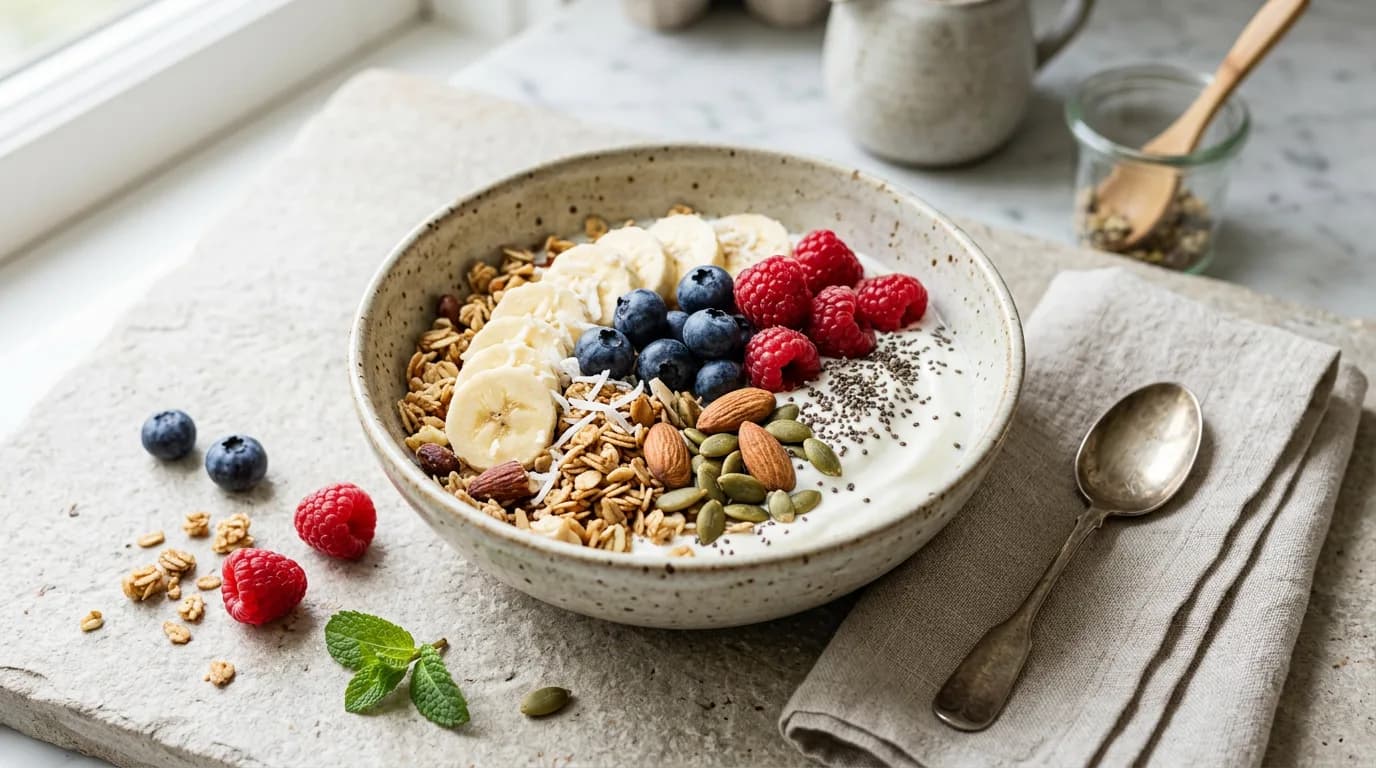
If your breakfast leaves you hungry by 10 a.m., the fix might be simpler than you think. Swap a sweet pastry or cereal for a bowl that combines protein, fiber and healthy fats — like this one.
It takes five minutes, needs no cooking and tastes like dessert.
Recipe
Balanced Greek Yogurt Bowl
- Prep:
- 5 min
- Total:
- 5 min
- Serves:
- 1 bowl
Ingredients
- 1 cup (250 g) plain Greek yogurt
- 1/2 cup mixed berries
- 1/2 banana, sliced
- 1 tbsp chia seeds
- 1 tbsp almonds, roughly chopped
- 1 tbsp pumpkin seeds
- 1/2 tsp cinnamon
- 1 tsp honey or maple syrup, optional
Instructions
- 1Spoon the Greek yogurt into a bowl and stir in the cinnamon.
- 2Top with berries and banana slices.
- 3Sprinkle over chia seeds, almonds and pumpkin seeds.
- 4Add a small drizzle of honey if you like it sweeter and eat right away.
Approx. 420 kcal per bowl. Nutrition values are estimates.
Why this bowl works
Protein from Greek yogurt. Greek yogurt is strained, which makes it thicker and higher in protein than regular yogurt. Protein at breakfast is one of the easiest ways to feel full longer. More on that in our guide to protein habits for women over 40.
Fiber from berries and chia. Berries are naturally lower in sugar than many fruits and add fiber and plant compounds. Chia seeds add even more fiber and some plant-based omega-3 fats.
Healthy fats and crunch. Almonds and pumpkin seeds make the bowl more satisfying and add minerals like magnesium.
Natural sweetness. Banana and cinnamon add sweetness, so you need little or no added sugar.
How to make a high-protein Greek yogurt bowl without protein powder
You do not need a scoop of powder to turn a yogurt bowl into a real high-protein breakfast. Here is roughly where the protein in this bowl comes from:
- 1 cup plain Greek yogurt: about 20 to 23 g
- 1 tbsp chia seeds: about 2 g
- 1 tbsp almonds: about 2 g
- 1 tbsp pumpkin seeds: about 2 g
- Berries and banana: about 1 g
That is about 25 g as written. If you want 30 g or more, add one or two of these boosters:
- 1 tbsp hemp hearts: about +3 g, with a mild nutty taste.
- 1/4 cup cottage cheese, stirred in: about +6 g. Blend it first if you do not like the curds.
- Skyr instead of Greek yogurt: usually a few grams more per cup.
- 1 tbsp peanut butter: about +4 g, plus healthy fats (and about 95 kcal).
With hemp hearts and cottage cheese together, the bowl lands at roughly 33 g of protein. Want to know why Greek yogurt is such a good base? Here are 5 Greek yogurt benefits for protein, gut health and fullness.
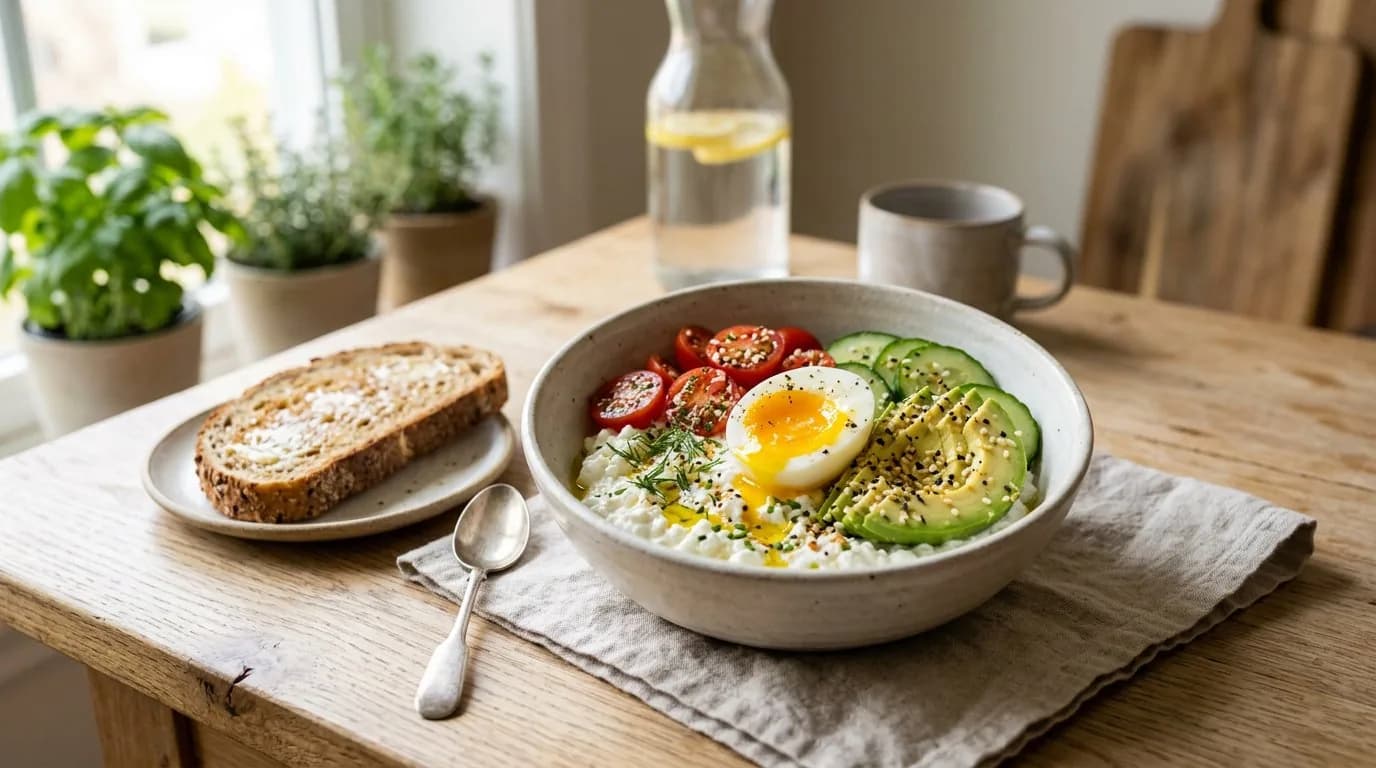
On mornings when you are not in the mood for something sweet, try the savory cottage cheese bowl with a jammy egg instead. It uses the same protein-first idea with vegetables and everything seasoning.
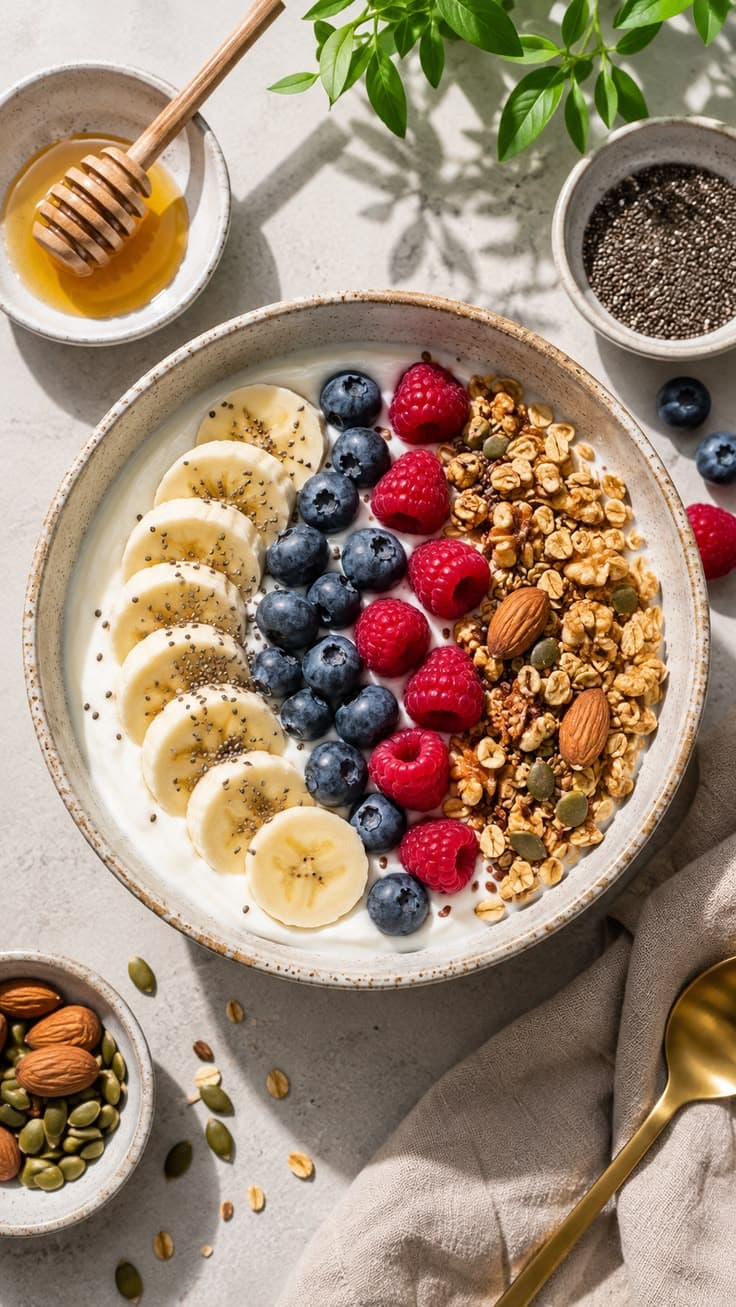
Mix and match toppings
- Fruit: berries, kiwi, mango, apple with cinnamon, peaches
- Crunch: walnuts, hazelnuts, hemp seeds, a little granola
- Flavor: vanilla, cinnamon, lemon zest, cocoa nibs
- Extra creamy: a spoon of nut butter or homemade chocolate hazelnut spread
Make it a habit
Keep the "toppings" ready: a jar of mixed seeds and nuts, frozen berries that thaw overnight in the fridge, and a tub of Greek yogurt. Breakfast then really does take two minutes.
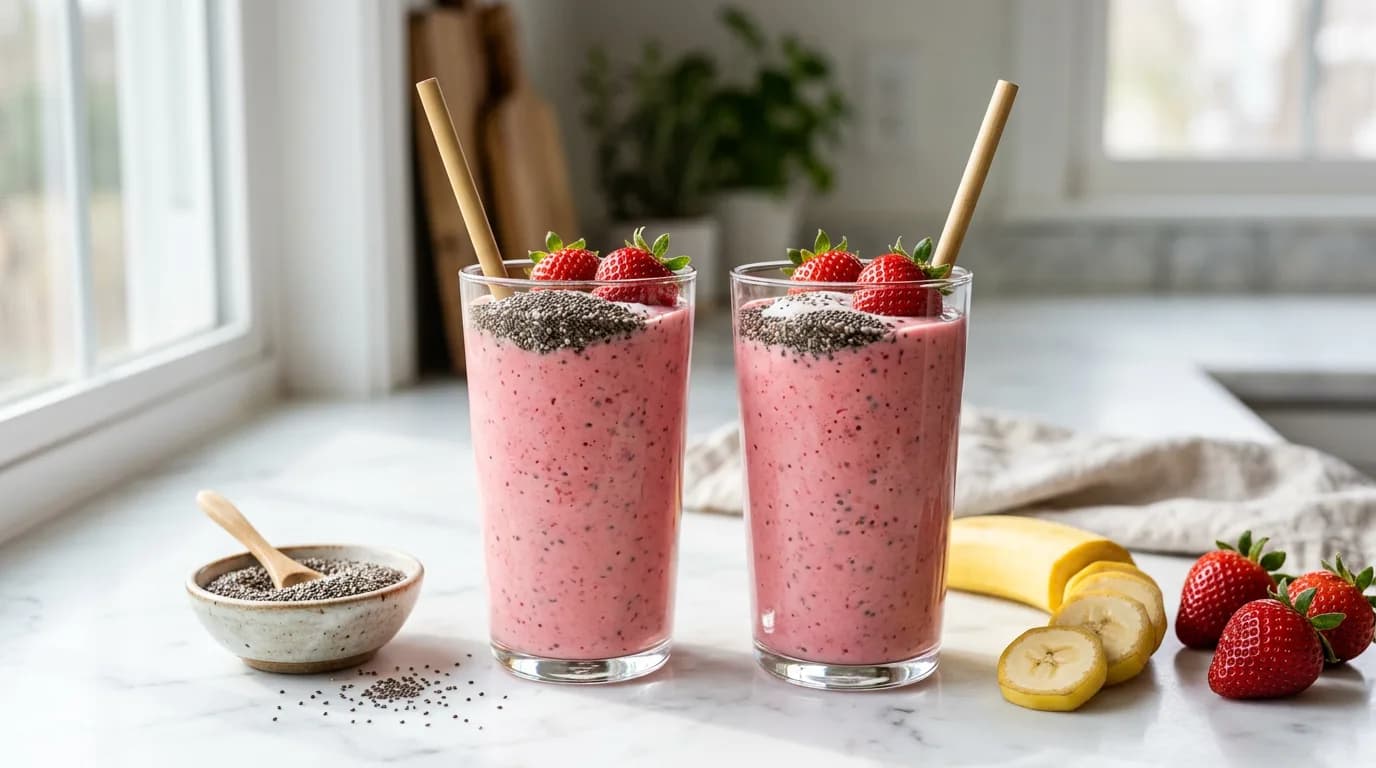
If you prefer a drinkable breakfast, try our blueberry green smoothie or this strawberry banana smoothie with Greek yogurt and chia with very similar ingredients.
Want to turn this into a daily routine? Here is a simple breakfast habit for better energy and digestion.
Nutrition at a glance
Approximate values for one bowl made with plain 2% Greek yogurt and no honey:
- Calories: about 420 kcal
- Protein: about 25 g
- Fiber: about 9 g
- Healthy fats: about 18 g, mostly from almonds, pumpkin seeds and chia
Using nonfat yogurt lowers the calories by roughly 60, while full-fat yogurt makes the bowl creamier and even more filling. Pick the one that fits the rest of your day.
How to choose the best Greek yogurt
The yogurt is the backbone of this bowl, so it is worth a quick look at the label:
- Plain, not flavored. Flavored Greek yogurts can contain 12 to 18 g of added sugar per serving. Plain yogurt plus fruit tastes just as good.
- At least 15 g of protein per cup. True strained Greek yogurt or Icelandic skyr both qualify.
- Short ingredient list. Milk and live cultures are all you need.
- Fat level is your choice. There is no single "right" fat level; choose what keeps you satisfied.
Meal prep: yogurt bowls for the whole week
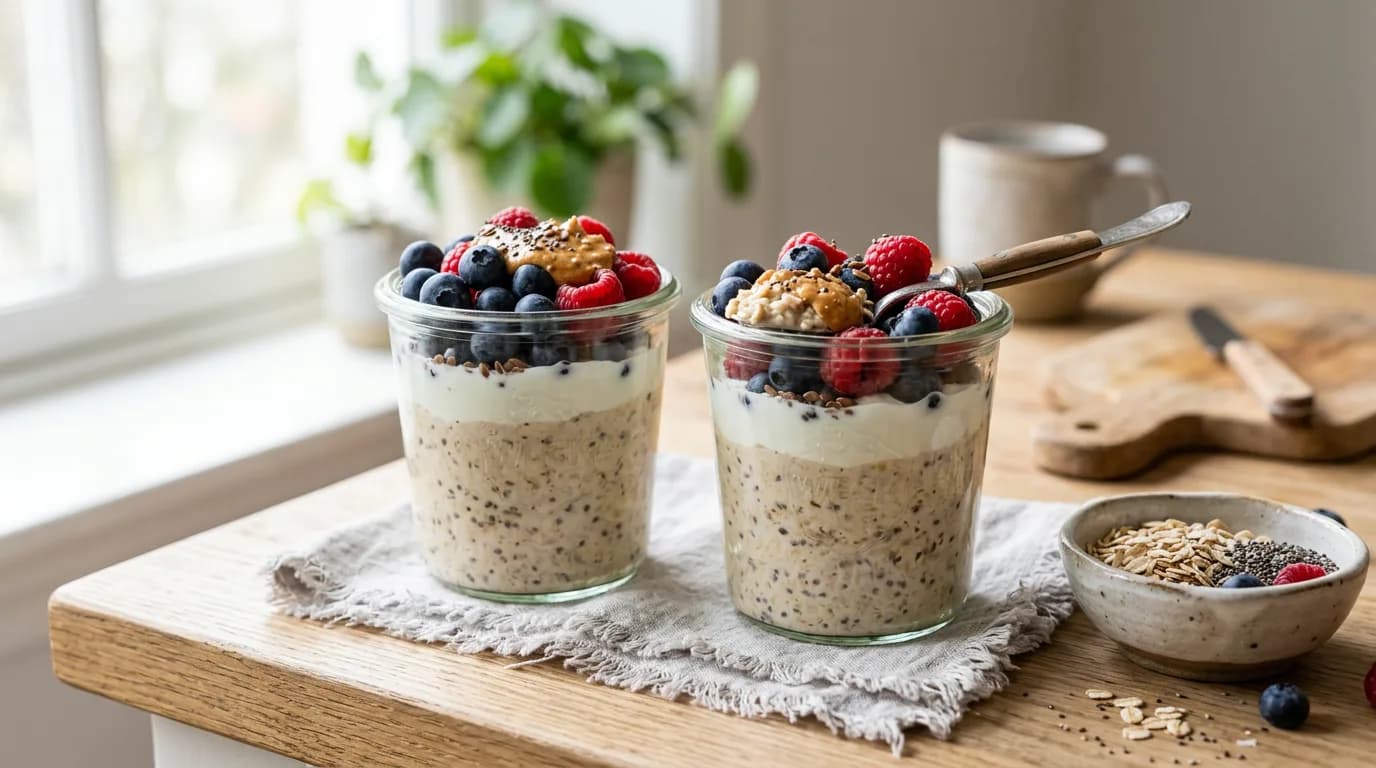
If mornings are rushed, prep four jars on Sunday (or mix a batch of protein-packed overnight oats with yogurt and cottage cheese if you want something heartier):
- Add 1 cup of Greek yogurt and 1 tablespoon of chia seeds to each jar and stir.
- Close the jars and refrigerate. The chia softens overnight and thickens the yogurt into a pudding-like texture.
- Keep the crunchy toppings in a separate small container so they stay crisp.
- In the morning, add fresh or thawed berries, banana and the nut mix.
The yogurt base keeps for 4 days in the fridge. Banana is best sliced fresh, because it browns quickly.
Common mistakes that make yogurt bowls less filling
- Too much granola. A big handful of granola can add more sugar than the rest of the bowl combined. Use nuts and seeds for crunch, and granola only as a sprinkle.
- Skipping the fat. A fat-free bowl with only fruit digests quickly. Nuts and seeds slow things down.
- Too small a portion of yogurt. Half a cup looks pretty in photos but will not carry you to lunch. Aim for a full cup.
- Heavy drizzles. A teaspoon of honey is plenty. Cinnamon and vanilla add sweetness without sugar.
More high-protein breakfast ideas
Want variety during the week? Try the high-protein breakfast plate with eggs and cottage cheese, browse 7 filling breakfast ideas that keep you full longer, or learn why you feel hungry after oatmeal and how to fix it.
The bottom line
A balanced yogurt bowl is one of the simplest breakfast upgrades you can make. Protein, fiber and healthy fats in one bowl — ready faster than toast and far more filling. With a full cup of plain Greek yogurt and one or two boosters, you get 25 to 33 g of protein without any protein powder.
This article is for general information and does not replace medical or nutrition advice. If you have a medical condition or food allergies, check with your doctor or a registered dietitian.
FAQ
Yogurt Bowl Questions
How much protein is in this yogurt bowl?
A cup of plain Greek yogurt alone has around 20 to 23 g of protein, depending on the brand and fat level. With chia, almonds and pumpkin seeds, the bowl comes to roughly 25 g.
How do I make a high-protein Greek yogurt bowl without protein powder?
Use a full cup of plain Greek yogurt or skyr, then add one or two boosters: a tablespoon of hemp hearts (about 3 g), 1/4 cup of cottage cheese stirred in (about 6 g) or a tablespoon of peanut butter (about 4 g). That takes the bowl to 30 g or more.
Can I prep yogurt bowls ahead?
Yes. Layer yogurt and chia seeds in a jar the night before; the chia will soften. Add fruit and nuts in the morning so they stay fresh and crunchy.
Can I make it dairy-free?
Use a high-protein plant yogurt such as soy or pea protein yogurt. Coconut yogurt works too but has much less protein.
Is a Greek yogurt bowl good for weight loss?
It can be a helpful breakfast for weight loss because it combines protein, fiber and healthy fats, which tend to keep you full for hours. Keep added sugar low by using plain yogurt and fruit for sweetness.
Can I use regular yogurt instead of Greek yogurt?
Yes, but regular yogurt has roughly half the protein and a thinner texture. Add a tablespoon of protein powder or a few spoons of cottage cheese to bring the protein back up.
What is the healthiest topping for a yogurt bowl?
Berries, chia seeds, ground flaxseed, walnuts and pumpkin seeds are all great choices because they add fiber, healthy fats and plant compounds without much sugar.
Sources
We check health claims against research summaries and official fact sheets. Links open the original source.
- FoodData Central · U.S. Department of Agriculture, 2026
- Protein · Harvard T.H. Chan School of Public Health, 2026
- The role of protein in weight loss and maintenance · American Journal of Clinical Nutrition (Leidy et al.), 2015