5 Green Tea Habits for Metabolism and Steady Energy
Green tea is a simple daily habit that may support steady energy, focus, antioxidants, and a more consistent wellness routine.
By KateLast reviewed
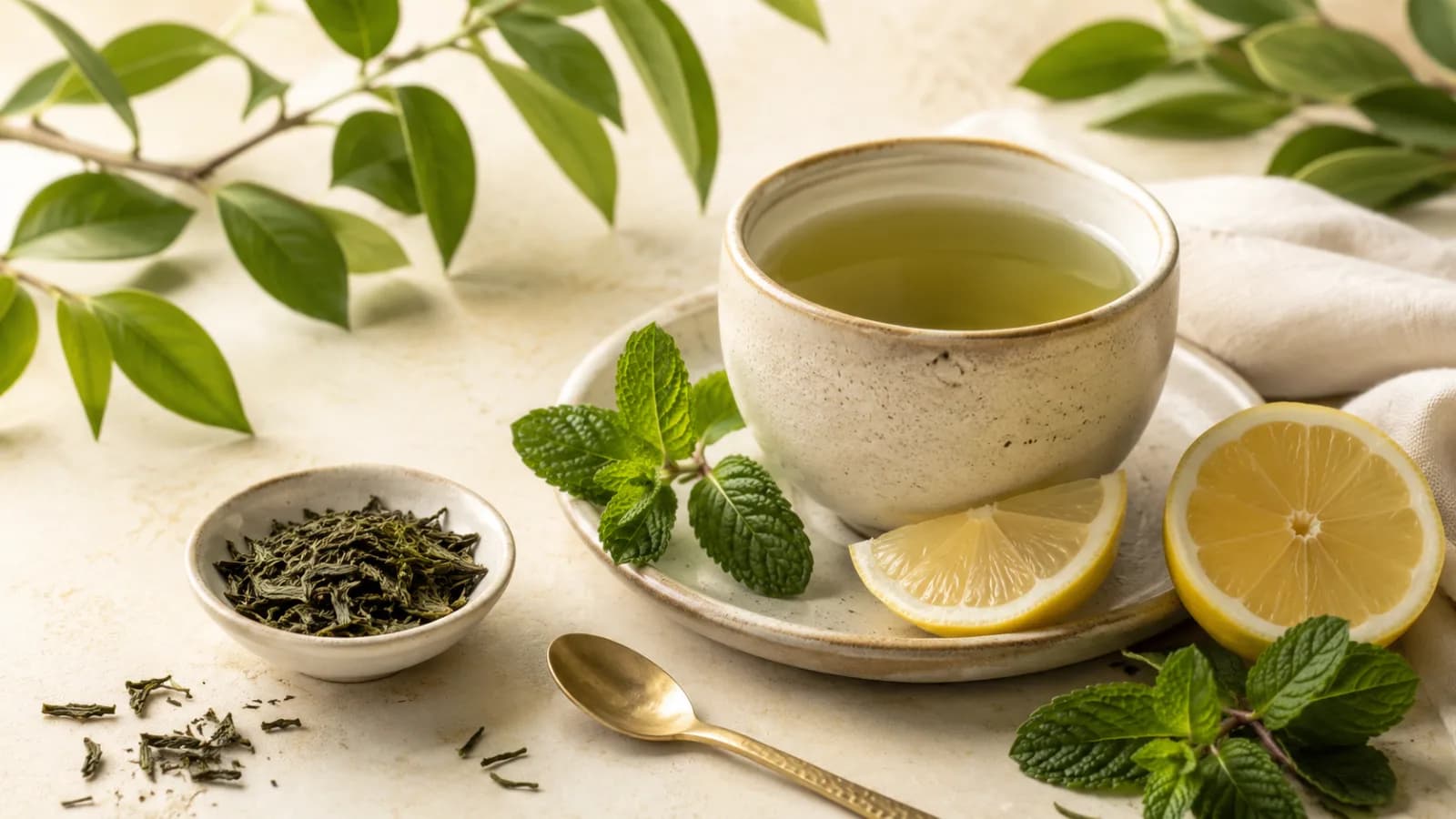
Green tea is one of the simplest wellness habits you can add to your day.
It is warm, calming, affordable, and easy to repeat.
It also contains natural compounds like catechins, polyphenols, caffeine, and L-theanine, which is why it often shows up in conversations about energy, focus, metabolism, and everyday wellness.
But green tea is not magic.
It will not cancel out poor sleep, low protein, stress, or an inconsistent routine.
And it should not be treated like a guaranteed weight-loss tool.
The real benefit is often much simpler:
Green tea can become a daily anchor that helps you feel more intentional, hydrated, and steady.
Here are five green tea habits to try.
1. Drink it earlier in the day
Green tea contains caffeine.
Usually, it has less caffeine than coffee, but it can still affect sleep, especially if you are sensitive to caffeine.
That is why many people do better drinking green tea earlier in the day.
Good times to enjoy it:
- morning
- late morning
- early afternoon
- before a walk
- with breakfast
- with lunch
Try avoiding green tea too late in the day if caffeine makes it harder for you to fall asleep.
This is especially important if your main goal is steady energy.
Better energy does not come from pushing caffeine later and later.
It comes from supporting your rhythm.
A simple rule:
Enjoy green tea earlier, then switch to caffeine-free drinks later. For more evening ideas, see these sleep habits to wake up more rested.
2. Pair it with a balanced breakfast
Green tea can be a nice part of a morning routine, but it should not replace breakfast if your body needs food.
Many people try to rely on caffeine to get through the morning.
That may work for a short time, but it can lead to stronger hunger, cravings, or energy dips later.
Instead, pair green tea with a balanced breakfast.
Good options include:
- Greek yogurt with berries and seeds
- eggs with avocado toast
- oatmeal with protein and nut butter
- cottage cheese with fruit
- tofu scramble
- protein smoothie
- chia pudding with yogurt
The goal is not a perfect breakfast.
The goal is to avoid starting the day on caffeine alone if that leaves you shaky, hungry, or tired later.
Green tea plus protein and fiber can feel much steadier than green tea by itself. A high-protein breakfast plate is an easy match.
3. Add lemon for freshness
A squeeze of lemon can make green tea taste brighter and more refreshing.
It can also help if you find plain green tea too bitter.
Try:
- green tea with lemon
- iced green tea with lemon
- green tea with mint and lemon
- green tea with cucumber and lemon
- green tea with ginger and lemon
This is a simple way to make the habit more enjoyable without adding a lot of sugar.
And enjoyment matters.
If a wellness habit tastes unpleasant, you probably will not repeat it for long.
A small flavor upgrade can make green tea feel like something you look forward to.
4. Choose unsweetened green tea
Green tea can be a healthy habit, but bottled or café versions can contain a lot of added sugar.
That can turn a simple drink into something that works against your goals.
Try choosing unsweetened green tea most of the time.
If you want sweetness, you can add a small amount yourself.
You can also use natural flavor from:
- lemon
- mint
- ginger
- berries
- cucumber
- cinnamon
- orange slices
This keeps the drink light, refreshing, and easier to fit into your day.
Unsweetened green tea is especially useful if you are trying to build a routine around steady energy instead of energy spikes.
5. Make it a daily ritual
The best habits are usually the ones you can repeat.
Green tea works well because it is simple.
You can make it in a few minutes.
You can drink it hot or iced.
You can enjoy it with breakfast, while working, after a walk, or during a calm afternoon break.
Instead of treating green tea like a quick fix, treat it like a daily ritual.
For example:
- brew green tea after breakfast
- drink iced green tea during your work break
- take green tea on a morning walk
- use it as a replacement for a second coffee
- pair it with journaling or planning your day
The habit becomes more powerful when it connects to a routine you already have.
That is usually how consistency is built.
Why green tea is often linked to metabolism
Green tea is often discussed in relation to metabolism because it contains catechins and caffeine.
A typical brewed green tea contains catechins and a moderate amount of caffeine. The FDA puts a 12-ounce cup at about 37 mg of caffeine, compared with 113 to 247 mg in brewed coffee, although the exact amount depends on the tea, brewing time, and water temperature (FDA).
Some research suggests that green tea compounds may have small effects on energy expenditure or fat oxidation.
But this does not mean green tea causes dramatic weight loss.
In fact, a Cochrane review of 15 weight-loss trials found that green tea preparations produced a very small weight loss that is unlikely to be clinically important, and in trials outside Japan the difference was close to zero (Cochrane). It can still be a healthy habit.
So the better frame is this:
Green tea may support a wellness routine, but it should not be the whole routine.
If your goal is metabolism support, focus on:
- enough protein
- strength training
- walking
- sleep
- hydration
- fiber-rich foods
- stress support
- consistency
Then green tea can be a simple add-on.
Why green tea can feel good for steady energy
Green tea contains caffeine, but many people experience it differently from coffee.
One reason is that green tea also contains L-theanine, an amino acid often discussed in relation to calm focus. Learn more in our guide to L-theanine benefits for calm energy and focus.
That does not mean green tea will affect everyone the same way.
Some people feel focused and steady.
Some people feel nothing.
Some people are sensitive to even small amounts of caffeine.
Pay attention to your body.
If green tea makes you anxious, jittery, or affects your sleep, reduce the amount or drink it earlier.
The goal is steady energy, not overstimulation.
How to brew green tea so it tastes better
Green tea can become bitter if the water is too hot or if it steeps too long.
Try this:
- use hot water, not boiling water
- steep for 2 to 3 minutes
- use one tea bag or one teaspoon of loose tea
- add lemon or mint if desired
- drink it fresh
If it tastes too bitter, shorten the steeping time.
If it tastes too weak, use slightly more tea instead of steeping it forever.
For iced green tea:
- brew it stronger
- let it cool
- pour over ice
- add lemon, mint, or cucumber
This can be a refreshing option for warm days.
Who should be careful with green tea?
Green tea as a beverage is generally safe for many adults.
But it contains caffeine, so some people should be more cautious.
Be careful with green tea if you:
- are very sensitive to caffeine
- have anxiety that worsens with caffeine
- struggle with insomnia
- are pregnant
- are breastfeeding
- have iron deficiency
- take medications affected by caffeine
- have liver disease
- are using green tea extract supplements
Green tea extracts are different from drinking brewed green tea.
High-dose green tea extract supplements may carry more safety concerns than normal tea. EFSA notes that catechins from green tea infusions are generally safe, while catechin doses at or above 800 mg per day from supplements may raise health concerns.
Tea can reduce iron absorption from plant foods, so if iron is a concern, drink it between meals and lean on iron-rich foods for energy.
If you have a medical condition or take medication, it is smart to ask a healthcare professional.
Prefer coffee? Here are 5 coffee habits for steady morning energy.
Want more tea ideas? Browse our tea routines guide.
FAQ
Green Tea Questions
Does green tea really boost metabolism?
Some research suggests green tea catechins and caffeine may have a small effect on energy expenditure, but the effect is modest. Green tea is best seen as a healthy drink that fits a routine built on protein, movement, and sleep, not as a weight-loss tool.
What is the best time to drink green tea?
Many people do best with green tea in the morning or early afternoon, often with a meal. Because it contains caffeine, drinking it late in the day may affect sleep in sensitive people.
How many cups of green tea a day is reasonable?
Many adults enjoy two to three cups a day without problems, but caffeine tolerance varies. If you notice jitters, an upset stomach, or poor sleep, cut back or switch to decaf.
Are green tea extract supplements the same as drinking tea?
No. Extracts can deliver much higher amounts of catechins than brewed tea, and high doses have been linked to safety concerns. Talk to your doctor before using green tea extract, especially if you take medication, have liver issues, or are pregnant.
The bottom line
Green tea is a simple daily habit that can fit into many wellness routines.
Drink it earlier in the day.
Pair it with a balanced breakfast.
Add lemon for freshness.
Choose unsweetened tea.
Make it a daily ritual.
It may support steady energy, focus, antioxidants, and a more intentional routine.
But it is not a magic metabolism solution.
The best results still come from the habits you repeat consistently.
Not sure what wellness routine fits your body best?
Different people struggle with different patterns.
For some, the issue is cravings.
For others, it is low energy, digestion, bloating, snacking, stubborn weight, poor sleep, or not having a routine that feels realistic.
Take the free quiz to find the weight-loss routine that fits your body.
This article is for general information and does not replace medical advice. Talk to your doctor before making changes, especially if you have a health condition or take medication.
Sources
We check health claims against research summaries and official fact sheets. Links open the original source.
- Green tea for weight loss and weight maintenance in overweight or obese adults (Jurgens et al.) · Cochrane Database of Systematic Reviews
- Spilling the Beans: How Much Caffeine Is Too Much? · U.S. Food and Drug Administration
- Statement on the hepatotoxicity of green tea catechins (lay summary) · UK Committee on Toxicity (COT), 2024