5 CoQ10 Benefits for Energy and Healthy Aging
CoQ10 is a compound your body naturally produces and uses for cellular energy. Here are five potential benefits for energy, heart-friendly habits, antioxidant support, and healthy aging.
By KateLast reviewed
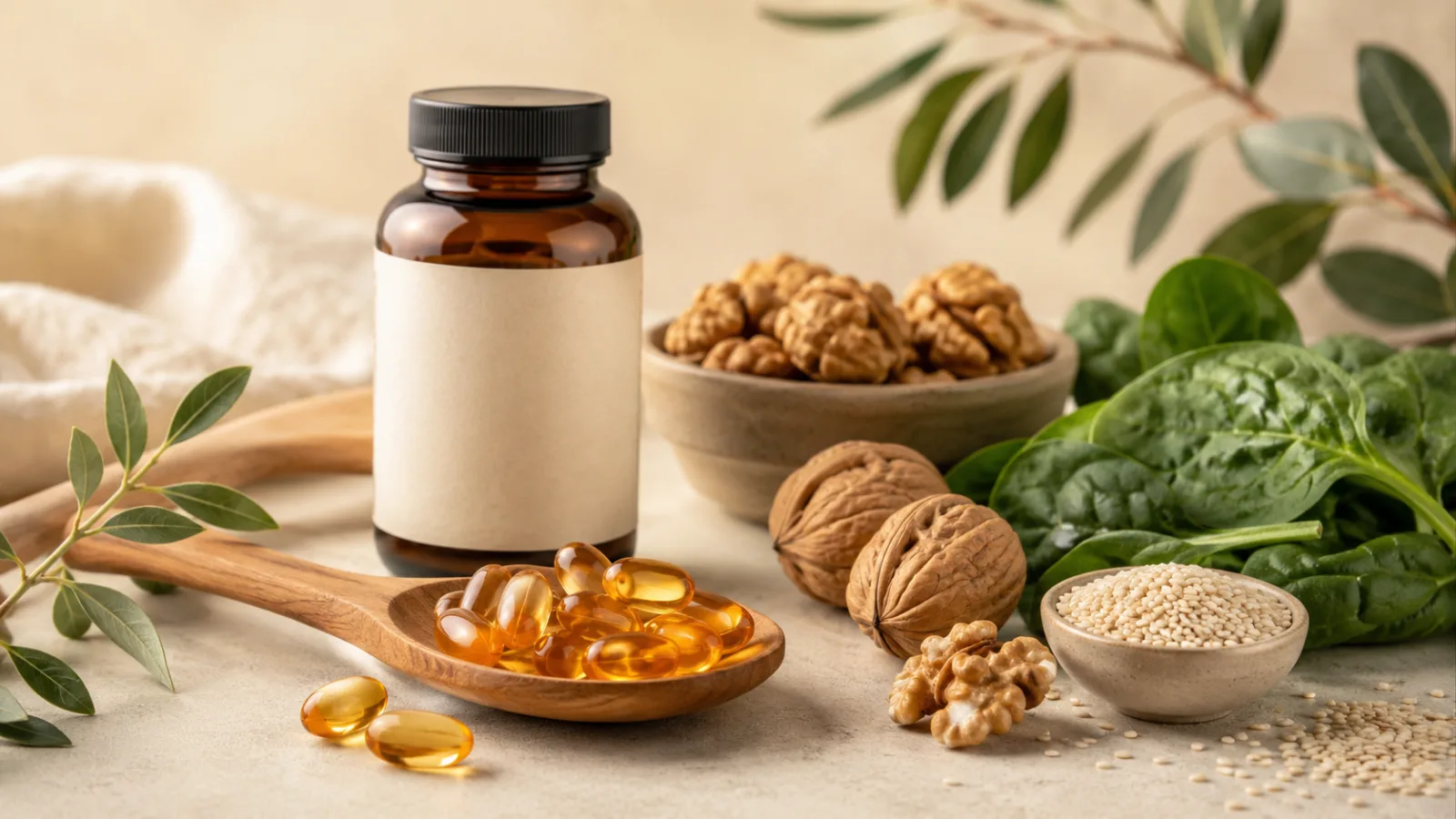
CoQ10 is one of those wellness ingredients that sounds complicated at first.
But the basic idea is simple.
CoQ10, also called coenzyme Q10, is a compound your body naturally produces.
It is found in every cell, and your body uses it in the process of making cellular energy.
It also acts as an antioxidant, which means it helps protect cells from oxidative stress.
Because of this, CoQ10 is often discussed in conversations about energy, mitochondria, heart health, and healthy aging.
That does not mean CoQ10 is a magic anti-aging supplement.
And it does not mean everyone needs to take it.
But it is worth understanding why so many people are interested in it, especially if your goal is to support energy and long-term wellness.
Here are five potential CoQ10 benefits to know.
1. CoQ10 supports cellular energy
Your body needs energy at the cellular level.
Every day, your cells work to power your muscles, brain, heart, organs, and basic body functions.
CoQ10 plays a role in the process your cells use to produce ATP, which is often described as the body’s cellular energy currency.
That is why CoQ10 is often connected to energy support.
But it is important to be realistic.
CoQ10 is not caffeine.
It is not a stimulant.
It should not make you feel instantly “wired.”
Instead, CoQ10 is more connected to the deeper cellular energy process that happens inside your body.
If you feel tired all the time, CoQ10 is not automatically the answer.
Low energy can be connected to many things, including:
- poor sleep
- stress
- low iron
- low vitamin B12
- thyroid issues
- dehydration
- under-eating
- blood sugar patterns
- medications
- burnout
- medical conditions
CoQ10 may be worth learning about, but persistent fatigue should be taken seriously. If low iron is a possibility, start with these iron-rich foods for energy and ask your doctor about testing.
2. CoQ10 helps mitochondria function
Mitochondria are often called the “powerhouses” of your cells.
They help convert food into usable energy.
CoQ10 is involved in mitochondrial energy production, which is one reason it gets so much attention in wellness and healthy aging conversations.
This matters because many parts of your body require a lot of energy.
Your heart, brain, muscles, liver, and kidneys all depend on steady energy production.
CoQ10 is naturally present in the body, but levels can vary depending on age, health status, medications, and other factors.
That is one reason some people explore CoQ10 supplements.
However, mitochondrial health is not only about one supplement.
It is also supported by habits like:
- regular movement
- strength training
- enough protein
- enough sleep
- stress management
- nutrient-dense meals
- not smoking
- spending time outdoors
- staying consistent with daily routines
CoQ10 can be part of the conversation, but your overall lifestyle still matters. Strength training in particular pairs well with other muscle-focused supplements like creatine for women over 40.
3. CoQ10 may support heart-friendly habits
CoQ10 is found in high amounts in organs with high energy demands, including the heart.
This is one reason researchers have been interested in CoQ10 for heart-related topics.
Some people also become interested in CoQ10 because certain medications, especially statins, can lower CoQ10 levels in the body.
That does not mean you should stop medication or self-treat with supplements.
If you take statins, blood pressure medication, blood thinners, or heart medication, you should speak with your healthcare professional before starting CoQ10.
CoQ10 may be part of a heart-friendly wellness routine, but it should not replace medical care.
Heart-friendly habits still include:
- eating nutrient-dense meals
- moving regularly
- managing blood pressure
- supporting healthy cholesterol levels
- reducing smoking or avoiding it
- managing stress
- sleeping well
- following medical advice
Think of CoQ10 as a possible support tool, not the foundation by itself.
4. CoQ10 provides antioxidant support
CoQ10 also acts as an antioxidant.
Antioxidants help protect cells from oxidative stress, which is part of normal metabolism but can increase with stress, pollution, poor sleep, smoking, heavy alcohol intake, illness, and other lifestyle factors.
This antioxidant role is one reason CoQ10 is often discussed in healthy aging routines.
But “antioxidant support” should not be treated like a free pass to ignore the basics.
The most powerful routine is still built from daily habits:
- colorful fruits and vegetables
- enough protein
- healthy fats
- regular movement
- quality sleep
- hydration
- stress support
- not smoking
- limiting excessive alcohol
CoQ10 may support your body’s antioxidant systems, but it works best in the context of a healthy routine.
A supplement cannot outwork an unsupportive lifestyle. Colorful foods like berries are an easy start, as these blueberry benefits for healthy aging show.
5. CoQ10 can fit into healthy aging routines
One reason CoQ10 is popular is that it feels simple.
A small daily capsule can seem easier than changing your whole lifestyle.
But healthy aging is not about one capsule.
It is about building routines that protect strength, energy, mobility, heart health, sleep, and consistency over time.
CoQ10 may fit into that routine for some people.
It is often taken with meals because CoQ10 is fat-soluble, meaning it may be better absorbed when taken with food that contains fat.
That could mean taking it with:
- eggs and avocado
- Greek yogurt with nuts
- salmon and vegetables
- olive-oil-based meals
- nuts or seeds
- a balanced lunch or dinner
A Mediterranean salmon and avocado salad is one simple example of a meal with healthy fats.
The best supplement routine is the one that is safe, appropriate, and easy to repeat.
Food sources of CoQ10
Your body produces CoQ10 naturally, but small amounts are also found in certain foods.
Food sources include:
- fatty fish
- organ meats
- beef
- chicken
- pork
- nuts
- seeds
- spinach
- broccoli
- cauliflower
Food amounts are usually much lower than supplement doses, but these foods can still be part of a nutrient-rich diet.
The best approach is not to rely on one food or one supplement.
Build a foundation with real meals and simple habits.
Who may be interested in CoQ10?
People often become curious about CoQ10 if they are focused on:
- healthy aging
- cellular energy
- heart-friendly habits
- active lifestyles
- low energy
- statin-related questions
- antioxidant support
- mitochondrial health
But curiosity is not the same as need.
If you are healthy, eating well, sleeping well, and feeling energized, you may not need a CoQ10 supplement.
If you are dealing with persistent fatigue, heart concerns, medication side effects, or major health changes, it is better to speak with a healthcare professional.
Who should be careful with CoQ10?
CoQ10 is generally well tolerated by many people, but it may not be right for everyone.
Speak with a healthcare professional before taking CoQ10 if you:
- take warfarin or other blood thinners
- take blood pressure medication
- take statins
- are pregnant
- are breastfeeding
- have heart disease
- have liver or kidney disease
- are undergoing cancer treatment
- have a medical condition
- take multiple medications or supplements
CoQ10 may interact with some medications.
That is why it is best to check first instead of guessing.
Possible side effects
Some people may experience mild side effects from CoQ10 supplements.
These can include:
- digestive discomfort
- nausea
- diarrhea
- appetite changes
- headache
- insomnia in some people
Taking CoQ10 with food may reduce digestive discomfort for some people.
As with any supplement, start carefully and follow product directions.
How to think about CoQ10 realistically
The best way to think about CoQ10 is this:
It may support cellular energy and antioxidant systems, but it is not a complete wellness plan.
If your routine includes poor sleep, constant stress, low movement, skipped meals, and no recovery, one supplement will not fix everything.
But if you are already building a healthier routine, CoQ10 may be an ingredient worth learning about.
The foundation still matters most:
- sleep
- movement
- protein
- hydration
- stress support
- real food
- consistency
Supplements should support your routine, not replace it.
FAQ
CoQ10 Questions
What does CoQ10 do in the body?
CoQ10 is a compound your body makes that helps cells produce energy in the mitochondria. It also acts as an antioxidant that helps protect cells from oxidative stress.
Does CoQ10 give you energy?
CoQ10 is not a stimulant and usually does not create a noticeable energy boost. It is involved in cellular energy production, but ongoing fatigue has many possible causes and is worth checking with a doctor.
Should I take CoQ10 if I am on statins?
Statins can lower CoQ10 levels in the body, which is why the question comes up often. Research on supplementing is mixed, so talk to your doctor before adding CoQ10 and never stop prescribed medication on your own.
When is the best time to take CoQ10?
CoQ10 is fat-soluble, so it may be better absorbed with a meal that contains some fat. Some people find it affects their sleep if taken late, so morning or lunch can be a practical choice.
The bottom line
CoQ10 is a compound your body naturally produces.
It plays a role in cellular energy production and acts as an antioxidant.
It is often explored for energy, mitochondrial function, heart-friendly habits, antioxidant support, and healthy aging routines.
But it is not magic.
It is not a replacement for medical care.
And it is not a substitute for healthy habits.
If you are curious about CoQ10, learn what it does, check whether it fits your situation, and speak with a healthcare professional if you take medication or have health concerns.
Small daily choices matter.
And the best routine is usually the one you can repeat safely and consistently.
Not sure what wellness routine fits your body best?
Different people struggle with different patterns.
For some, the issue is low energy.
For others, it is cravings, digestion, bloating, snacking, stubborn weight, poor sleep, or not having a routine that feels realistic.
Take the free quiz to find the weight-loss routine that fits your body.
This article is for general information and does not replace medical advice. Talk to your doctor before making changes, especially if you have a health condition or take medication.